Related financing path

Industries
Property management companies finance ride-on lot sweepers and compact units for in-house maintenance operations. Fast approvals, flexible terms, minimum ticket starts near $50,000.
A property management company's value proposition lives in the details. The lot that is clean before the first tenant employee arrives, the curb appeal that keeps occupancy rates where they need to be, the common areas that do not generate complaints from retail tenants who chose your portfolio over a competitor's. Parking lot and common-area cleanliness is one of those details that gets noticed immediately when it slips and almost never gets credited when it is right. That asymmetry is what makes the decision to bring sweeping in-house versus subcontracting it more interesting than it first appears.
Companies managing a significant portfolio, whether it is a mix of office parks, retail centers, industrial campuses, or multifamily communities, often find that sweeping costs from outside contractors are both higher than they should be and less controllable than the property managers would like. Scheduling a sweep is a phone call and a wait for availability. Doing it in-house is a key turn on a machine that you own. The break-even point varies by portfolio density and sweep frequency, but for a company managing fifty or more properties within a geographic area, the numbers typically favor owning the equipment.
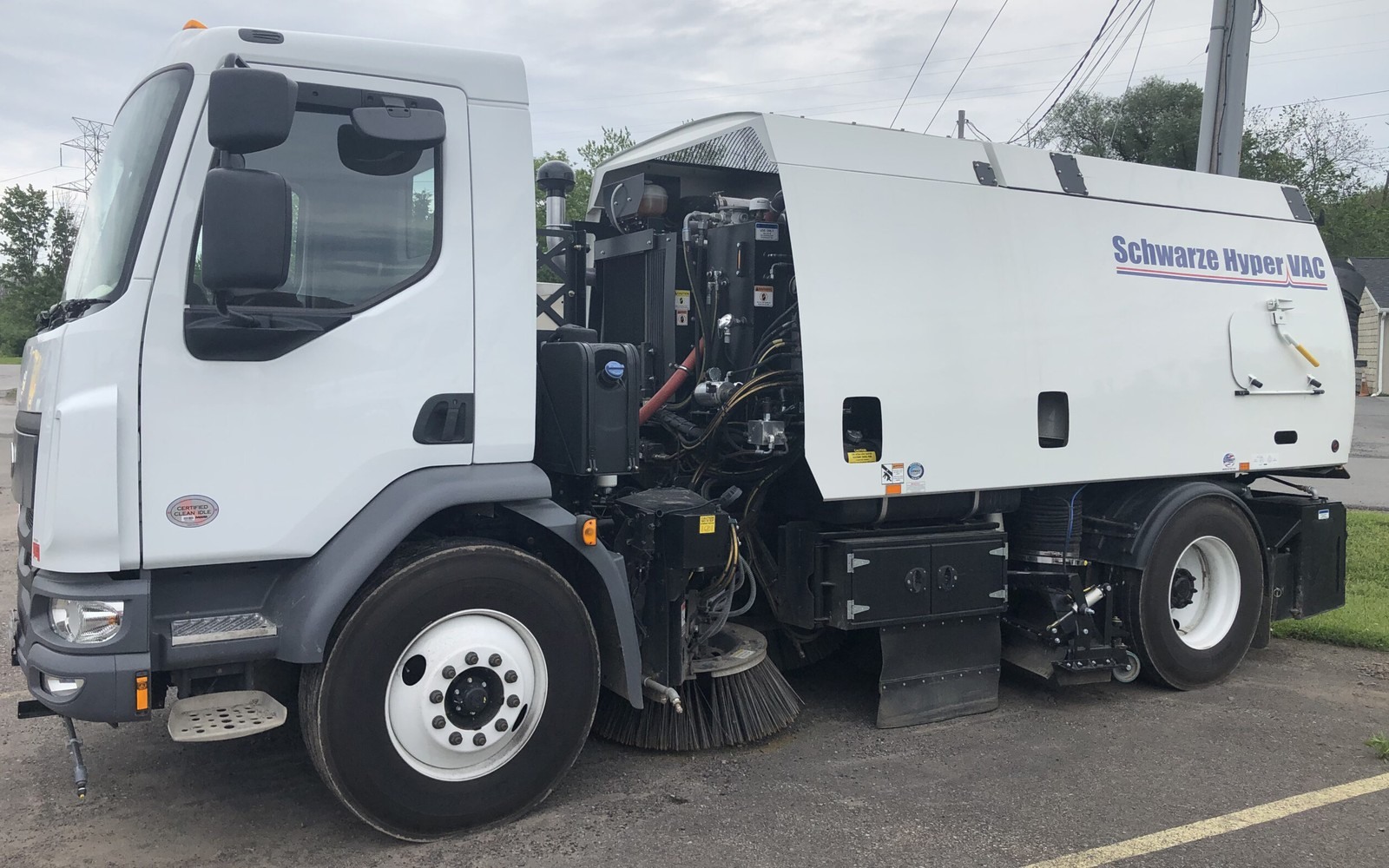
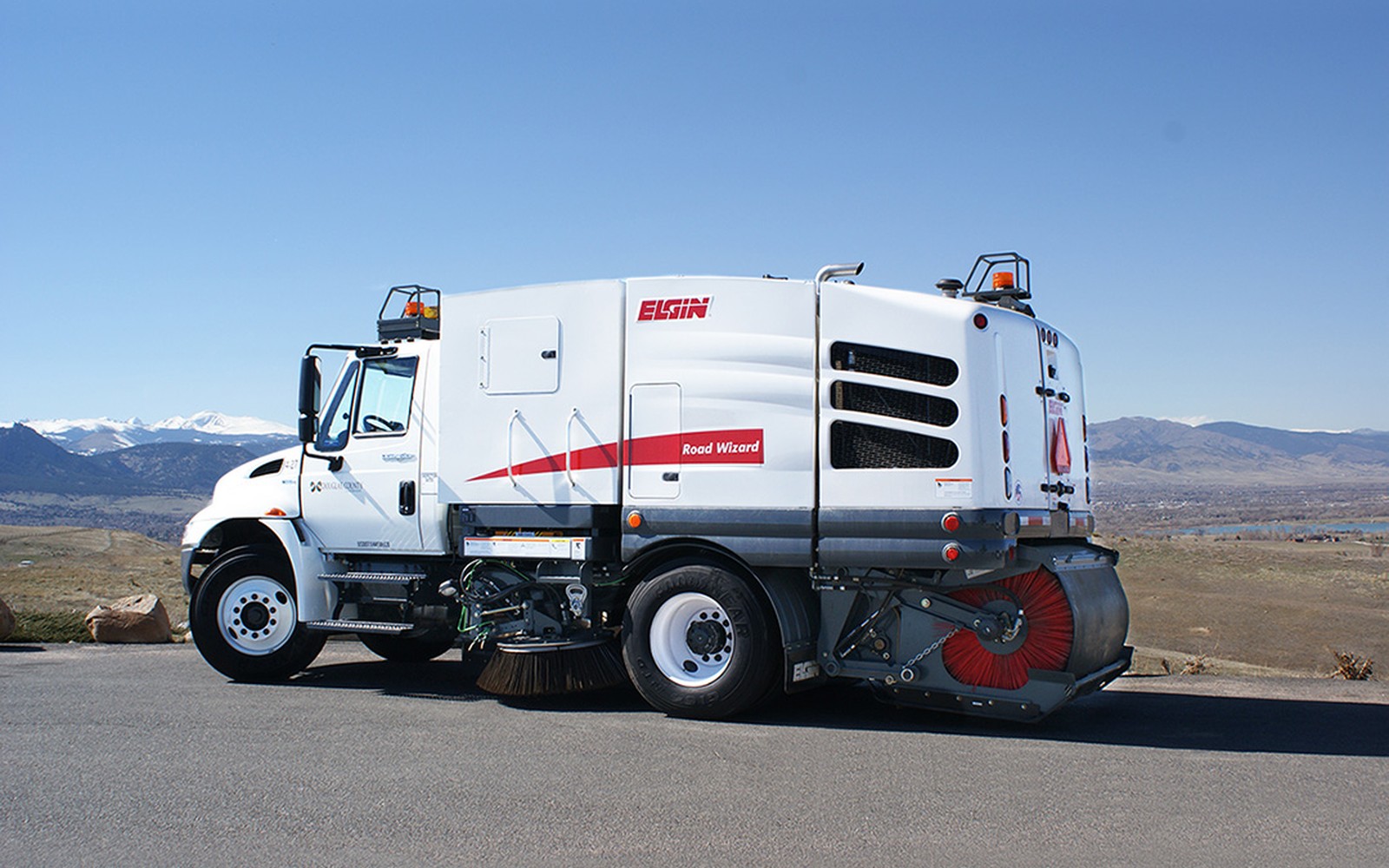
We finance property management companies for sweeping equipment from $50,000 up. Ride-on parking-lot sweepers, compact self-propelled units, and truck-mounted machines for larger campus properties are all in the program. The financing structure matches the way property management cash flow actually works: consistent monthly income from property management fees and lease proceeds, predictable operating expenses, and capital needs that are property-driven rather than project-driven.
The calculation hinges on portfolio density and sweep frequency. A property manager with ten spread-out properties who sweeps each one twice a month may not have enough concentrated sweeping volume to justify owning a machine. A manager with forty commercial properties in a two-county area who needs weekly sweeps on retail lots and bi-weekly on office parking decks is running significant sweep volume, and subcontracting that out means paying a contractor's overhead, insurance markup, and margin on top of the base cost.
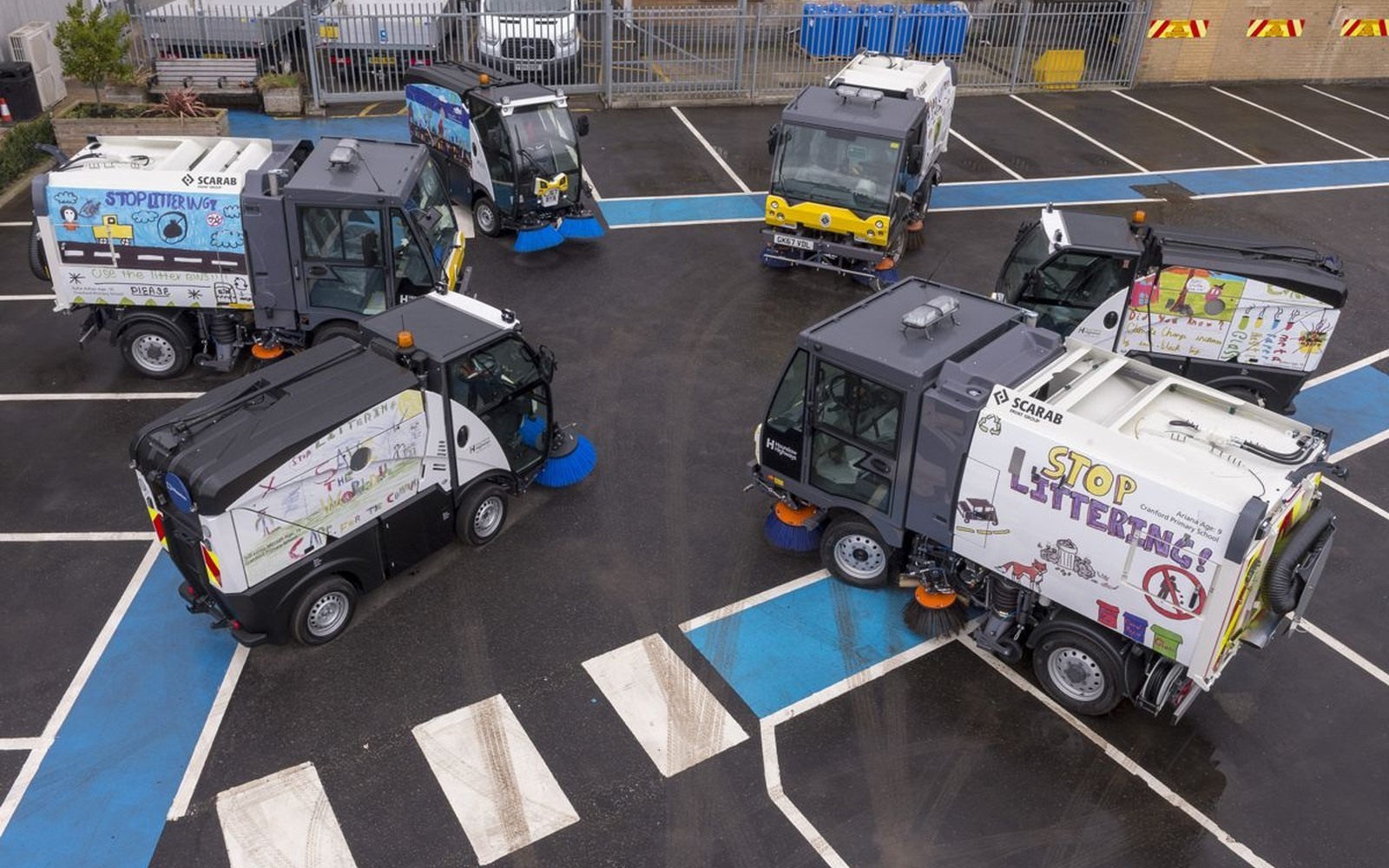
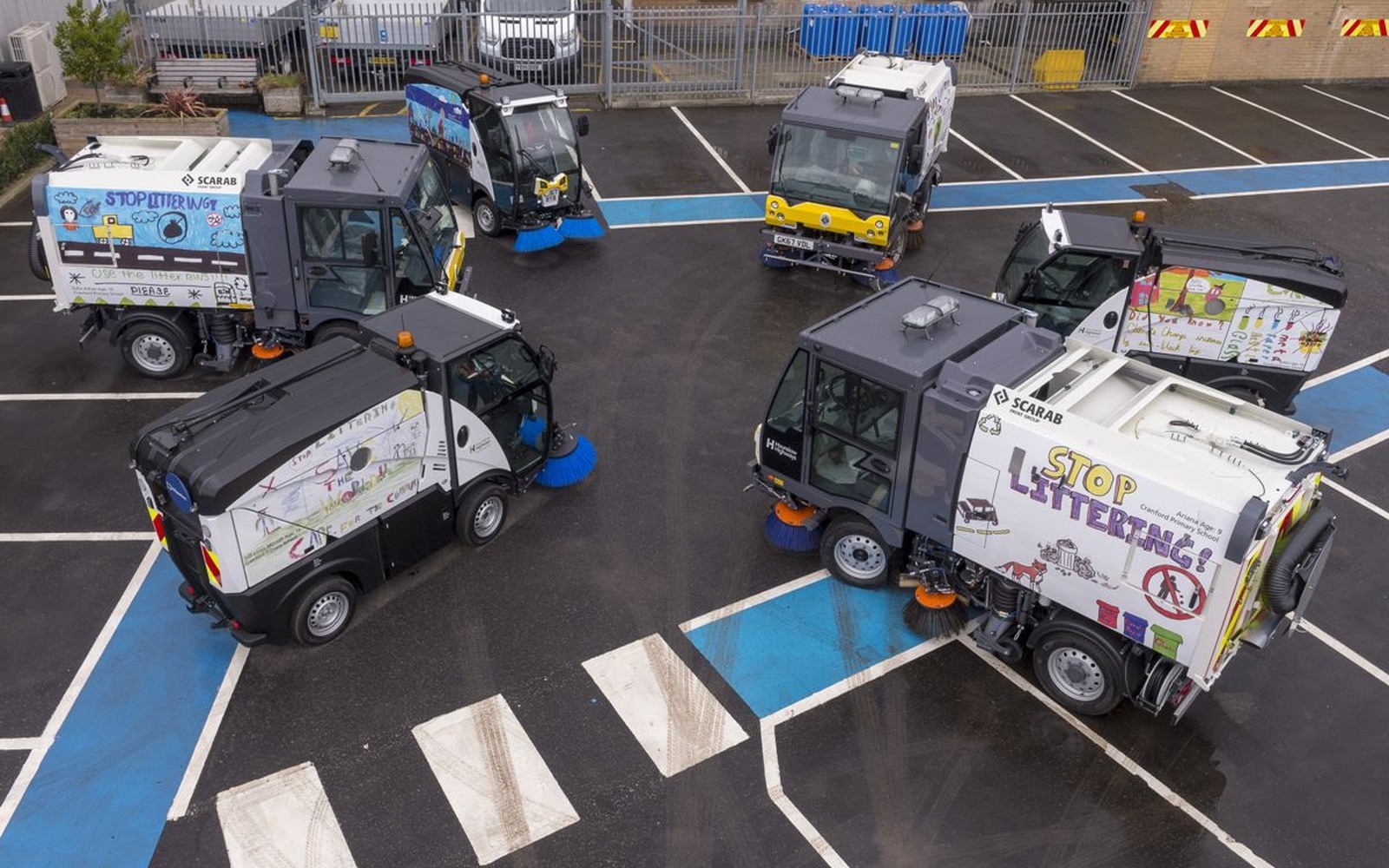
Multifamily property managers who maintain apartment complex parking areas often find a compact ride-on sweeper more practical than a full-size truck-mounted unit. The compact units maneuver between parked cars and around landscaping islands more effectively, and they store in a standard equipment bay rather than requiring dedicated equipment storage for a truck chassis.
Commercial and industrial property managers who handle large campuses, distribution center parking areas, or retail center lots may need a full-size truck-mounted sweeper to cover the acreage efficiently. Campus sweeping at a million-square-foot distribution facility is a different job than sweeping a neighborhood retail strip, and the equipment spec should match the acreage rather than the number of properties.
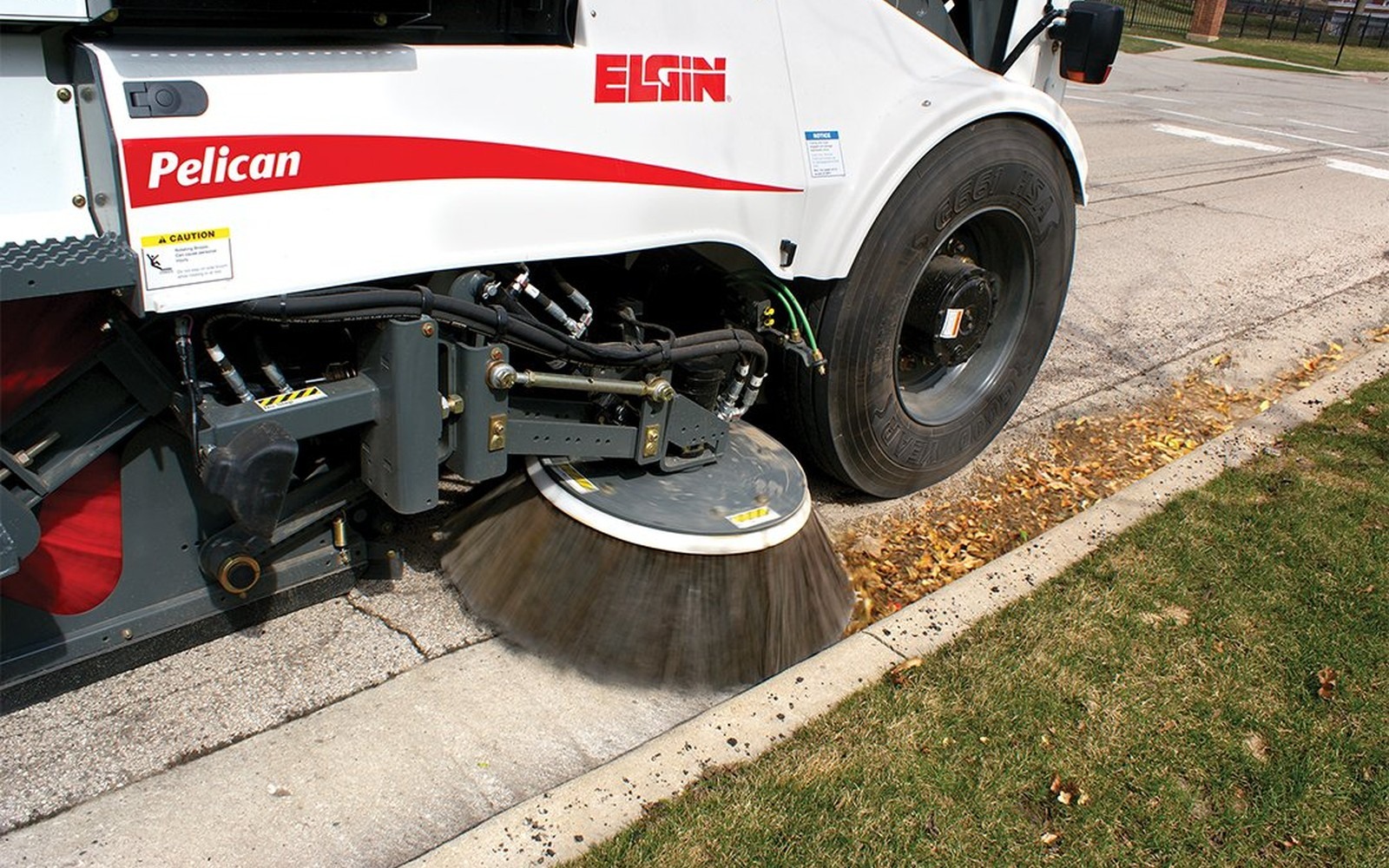
For HOAs and community associations within a property management umbrella, the sweeping requirement may also extend to community streets and common-area roadways, which a standard parking-lot unit may not handle as well as a purpose-built mechanical broom sweeper.
Property management companies running in-house maintenance operations tend to value reliability and low unplanned downtime over any other equipment characteristic. A unit that breaks down on a Tuesday morning and cannot be repaired until parts arrive Thursday means those properties do not get swept on schedule, which is exactly the problem you were trying to solve by owning the equipment. This reliability priority often pushes property managers toward newer equipment or toward low-hour used units from reputable sources.
That said, a well-maintained used ride-on sweeper at 40,000 miles from a fleet liquidation can represent significant savings over new while still offering several years of reliable service. The key is verifiable maintenance history and physical inspection before purchase. We finance used equipment without treating it as a second-tier deal, and we can help you evaluate the documentation on a used machine to assess whether the asking price and the condition support the financing structure.
Used sweeper financing typically carries slightly shorter maximum terms than new equipment financing, which means the monthly payment on a used unit may not be as low as it would be on new equipment financed over a longer term. For property managers who prefer to keep monthly cost as low as possible, new equipment at a longer term can sometimes carry a comparable or lower payment to a used unit at a shorter term, depending on the price differential.
Property management companies are organized operations. You have accountants, you track property-level financials, and you have documentation readily available. That organizational readiness means deals close faster because the application package comes together quickly. Three months of business bank statements, the application, and a purchase agreement or equipment quote. Most of our property management clients have all of that assembled within a day of deciding to apply.
Credit decisions come back inside 24 hours on most applications. Documents go out the same day as approval. Funding hits in a week to ten business days after documents are signed. If you have a specific need, say, a new property coming into the management portfolio whose sweep contract you are absorbing and need to cover with your own equipment, we can target the timeline to your onboarding date.
A street sweeper lease that keeps the payment as an operating expense rather than a capital item may fit some property managers' accounting preferences better than an ownership loan. We offer both structures and can walk through the accounting implications with you and your CFO before the deal is finalized.
Stop waiting for a subcontractor to fit your lots into their route. Finance a sweeper and put it to work on your schedule. We fund property management companies from $50,000, decisions in 24 hours, funded in under two weeks.
Equipment questions
Clear answers before the equipment file moves to review.
The management company can finance equipment in its own name if the LLC has its own operating history and bank accounts. Management fee revenue is real, documentable income that supports an equipment loan. If the management LLC is relatively new or thin on financials, financing through one of the ownership entities or with personal guarantees from the principals is another path. We evaluate each situation individually.
Our minimum deal size is $50,000. Compact ride-on sweepers from major manufacturers price landing between $60k and $90k for new units, so most equipment in this category qualifies. If the specific unit you are looking at prices below $50,000, let us know and we can discuss whether there is a way to structure the deal, such as bundling related equipment, that brings it to the minimum.
We look at the total management fee and property income picture, not just the income type. A mix of commercial and residential management revenue is perfectly fine. What matters is the consistency and level of the deposits in the bank statements and the overall health of the operation. Property management is a business type we understand well and underwrite without special scrutiny.
If the second unit is speculative, the cleaner approach is to finance the first unit now and apply separately when you are ready for the second. This keeps the first deal simple and avoids pre-committing to a financing structure for equipment you may not buy on that timeline. If the second unit is firm, we can sometimes structure a multi-unit agreement, but sequential applications are usually simpler for both parties.
Two-year-old credit events are not automatic disqualifiers, especially if the business has recovered and the current bank statements show healthy cash flow. We look at the full picture. If the issue was specific and isolated (a bad property deal, a tenant dispute that created a short-term cash crunch), and current operations look sound, challenged credit underwriting can get you to an approval. Tell us the history upfront and we will evaluate it in context.
Keep exploring
Compare adjacent equipment, model, market, and service-area pages.
Equipment desk
Send the machine, seller, hours, and timing. The equipment desk will organize the next step.