Related financing path

Sweeper Types
Finance pure-vacuum street sweepers for fine-particle removal, stormwater compliance, and industrial cleanup. entry ticket starts near $50,000, challenged credit reviewed, funded a practical closing window.
Silica dust, brake dust, tire particles, heavy metals from road film. A pure-vacuum sweeper collects what you cannot see, and that is the whole point. Unlike regen-air machines that recirculate air through a closed loop, pure-vacuum units draw ambient air in over the surface and exhaust it through a high-efficiency filter system, capturing sub-micron particles that regen-air technology misses on some surface types. For operators working parking garages, pharmaceutical campuses, ports, or any surface where the debris profile is fine and dry, a pure-vacuum machine earns its price quickly.
New pure-vacuum sweepers carry price tags landing between $200k and $290k for truck-mounted units. The Schwarze SuperVac, Elgin Whirlwind, and Global V3 are the models most commonly seen in service. Used machines landing between $90k and $150k are available on the secondary market, often from municipal fleets rotating newer models in. We finance pure-vacuum sweepers from $50,000 up, new or used, B or C credit considered, and we close most deals in one to two weeks. If you need the machine before the contract starts, that timeline is realistic.
A pure-vacuum sweeper draws air at high volume across a suction head or nozzle positioned close to the pavement surface. Debris is carried through a suction tube into a sealed debris body, and the exhaust air passes through filter media before being discharged. Filter efficiency is the critical spec: HEPA-grade filter media can capture particles down to 0.3 microns, which covers silica respirable fractions and heavy metal particulates that surface-contact methods leave behind.
The key limitation of pure-vacuum designs is they do not work as well on wet debris or coarse organic material like leaf litter and wet sand. A regen-air machine handles wet conditions better because the blast nozzle can break up matted debris before suction pickup. Pure-vacuum units are best deployed on dry, smooth, hard-surface environments where particle loading is fine and the collection efficiency of the filter matters more than the ability to handle bulk debris.
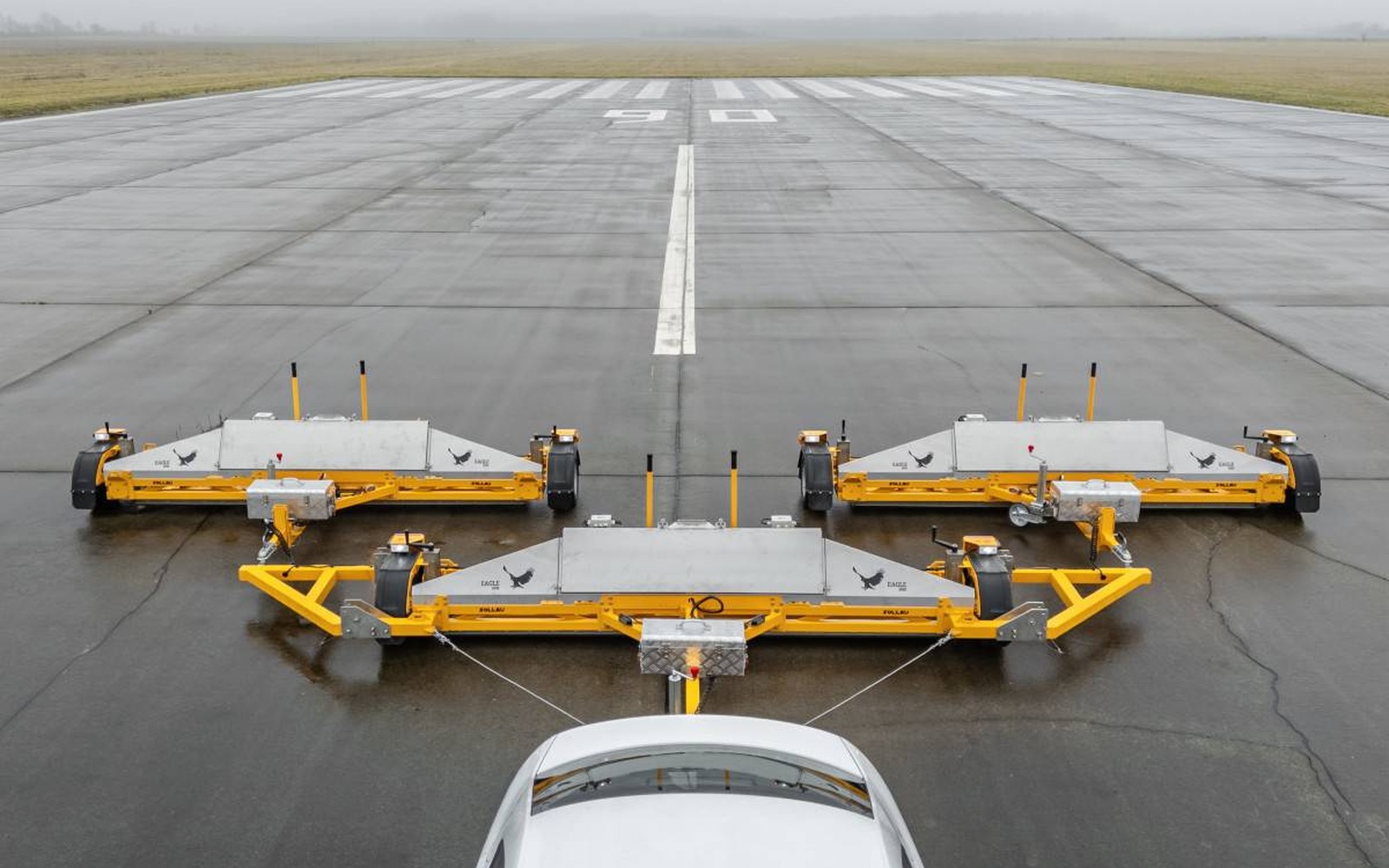
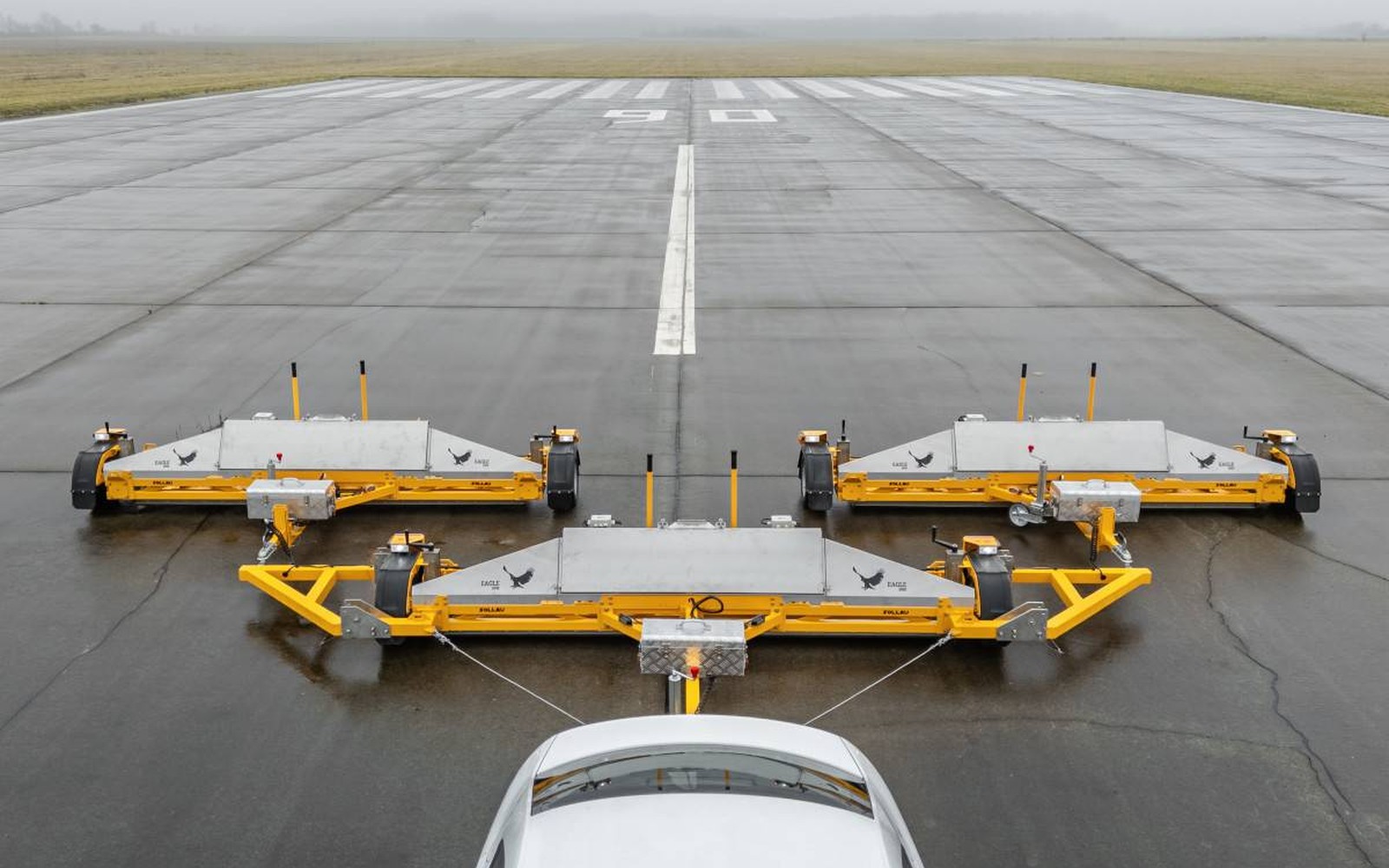
That use profile matches well with industrial facilities, pharmaceutical manufacturing campuses, ports where fine aggregate and silica from container loading operations need collection, and airport aprons and taxiways where foreign object debris control is critical. Airport and aviation facility operators have been among the heaviest adopters of pure-vacuum technology precisely because FOD risk from fine particles is taken seriously at those facilities. A dedicated airport runway sweeper configured for FOD removal often uses pure-vacuum or a pure-vacuum hybrid.
Environmental cleanup services that specialize in contaminated site remediation, Superfund adjacent cleanup, and industrial spill response are a natural fit. Fine particulate collection from industrial sites often requires documentation of particle capture efficiency, and a pure-vacuum machine with certified filter media supports that documentation chain. Environmental cleanup services are a growing buyer segment for pure-vacuum equipment as regulatory requirements for dust control on remediation sites tighten.
Ports and intermodal yards are another core buyer segment. Container cargo handling generates fine particulate from aggregate, grain dust, and mineral loads. Port operators face PM regulations and community relations pressure to control fugitive dust. A pure-vacuum sweeper on the terminal apron keeps the surface clean and provides documentation of sweeping activity for environmental compliance reporting. Ports and intermodal yards running heavy container operations often maintain two or three sweeper units of different types.
Industrial plant facilities, warehouses, and large distribution centers with outdoor aprons and internal roads also run pure-vacuum machines alongside industrial sweepers. The fine-particle collection profile matters when the facility has indoor air quality obligations or sits near residential zones where dust complaints are a community issue.
Pure-vacuum sweepers hold residual value well because the market for them is specialized and demand from environmental and industrial buyers stays consistent. If you own a Schwarze SuperVac or Elgin Whirlwind outright, the equity in that machine is working capital you can put to use without selling the unit. A cash-out refinance lets you pull that equity as cash while keeping the sweeper on your route.
Sale-leaseback works the same way. We buy the machine from you at market value, and you lease it back on terms that fit your cash flow. The sweeper never leaves service. You get a lump of capital to put toward a second unit, bids on a new contract, or operating costs during a slow season. Sweeping businesses with seasonal revenue patterns find leaseback financing particularly useful because it lets them access capital during the lean months without disrupting the route fleet.
We have done sale-leaseback transactions on pure-vacuum machines, mechanical brooms, and regen-air units. The process is not complicated: we value the equipment, document the current title, and close on the same one to two week timeline as a new purchase. challenged credit borrowers qualify for leaseback financing on the same terms as purchase financing, because the collateral position is clean and the machine is already proven in service.
Pure-vacuum equipment is specialty iron. We have financed it for environmental contractors, port operators, and industrial facility managers. Tell us what you are looking at, and we will get the deal structured around the machine's value and your cash flow, not around a bank's unfamiliarity with specialized sweeper equipment. Three months of statements, an application, and we move.
Equipment questions
Clear answers before the equipment file moves to review.
Yes. If you paid cash for the machine, we can do a sale-leaseback or a straightforward loan against the machine's current market value. The cash comes out as a lump sum and you make monthly payments on the balance. Good option if you need working capital and the sweeper is a high-value unit.
Not harder, just different. Used pure-vacuum machines hold value well in the specialty market, so lenders see them as reasonable collateral. We do want to confirm the filter system is in good condition because that is where the value lives on these units. A machine with degraded filtration may need a discount factored into the collateral value.
Yes. Project-based revenue is common in the environmental services space and we underwrite around it. Three months of bank statements showing project deposits and operational cash flow is the baseline. If you have a signed contract or project award letter, that helps the lender see forward revenue.
Typically 36 to 72 months. Most buyers in the environmental and industrial sector choose 48 or 60 months to balance the monthly payment against cash flow. If you have a specific contract duration in mind, we can try to match the term to the contract length.
Port authorities organized as government entities or quasi-government authorities often qualify for municipal lease-purchase financing, which carries favorable rates and terms. We work with public-entity buyers on those structures. If your authority issues tax-exempt debt, that is a separate conversation worth having.
Keep exploring
Compare adjacent equipment, model, market, and service-area pages.
Equipment desk
Send the machine, seller, hours, and timing. The equipment desk will organize the next step.