Related financing path

Sweeper Types
Finance regenerative-air sweepers for PM-10 compliance, municipal streets, and fine-particle cleanup. minimum ticket starts near $50,000, challenged credit reviewed, funding paced to the completed file.
Three in the morning. Empty arterial. You're running a regen-air unit because the city's permit requires PM-10 compliance, and a mechanical broom kicking dust would have you in violation before the sun comes up. That is the situation a lot of municipal and contractor sweeper operators live in, and it is the reason regenerative-air technology became the standard for air-quality-regulated street sweeping across most major metros.
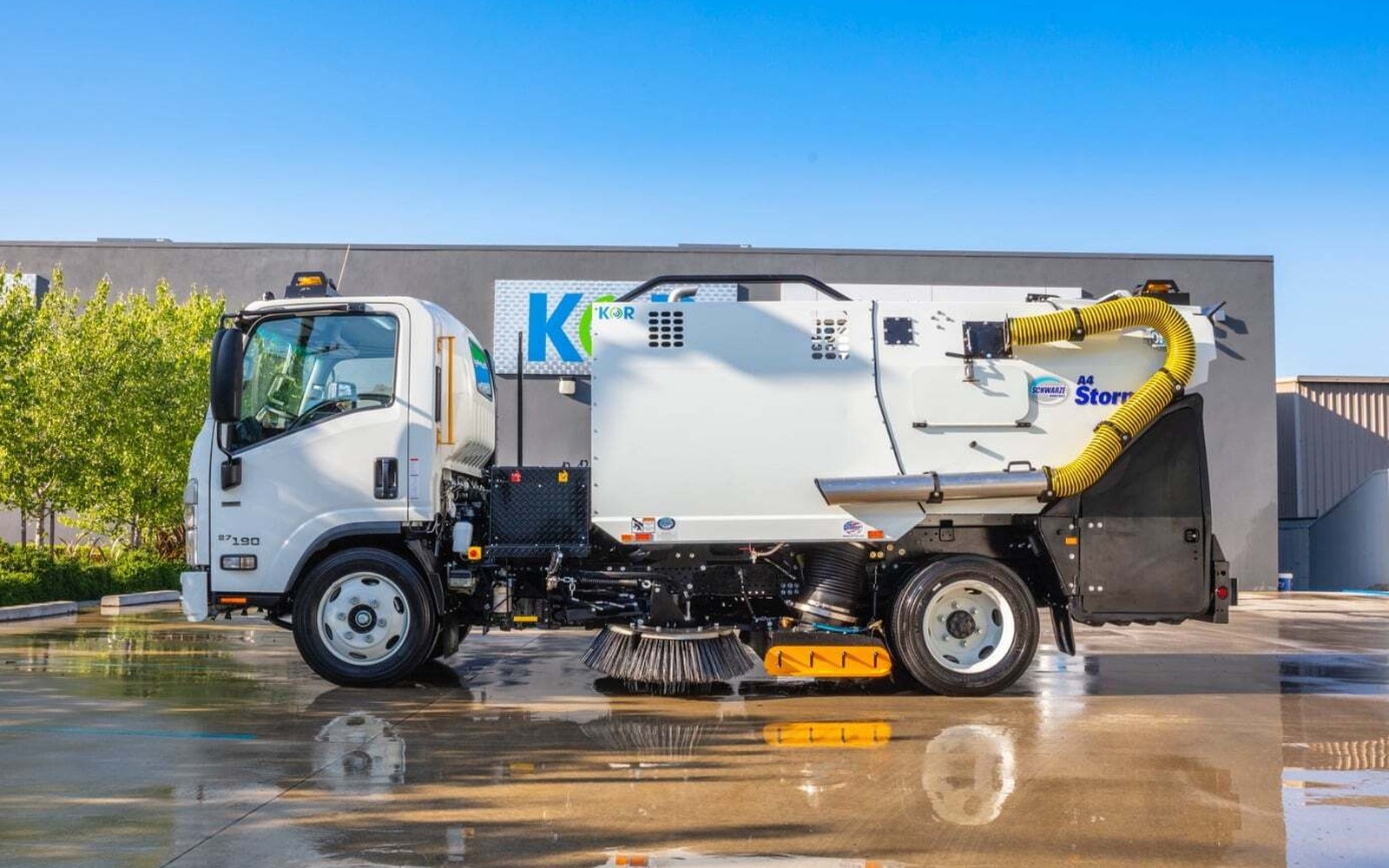
Regenerative-air machines work by blasting high-velocity air down through a blast orifice at the pavement surface, then drawing that air back through the debris body in a closed loop, capturing fine particles in the hopper without releasing PM-10 dust into the atmosphere. TYMCO built the platform that most operators recognize, and Elgin, Schwarze, Johnston, and Global Environmental Products all offer competitive regen-air models. A new unit runs $220,000 to $320,000 depending on chassis size and hopper configuration. Used machines in good running order sit landing between $100k and $180k.
We finance regenerative-air sweepers from $50,000, new or used, with B or C credit welcome. Most deals close in one to two weeks. If you're replacing an aging unit to maintain a PM-10 certification or adding a regen-air machine to a fleet that currently runs mechanical brooms, we can structure the deal around your contract revenue and your maintenance schedule. A PM-10 certified sweeper is not optional in regulated jurisdictions, and the financing to get one on the route should not be the slowest part of the process.
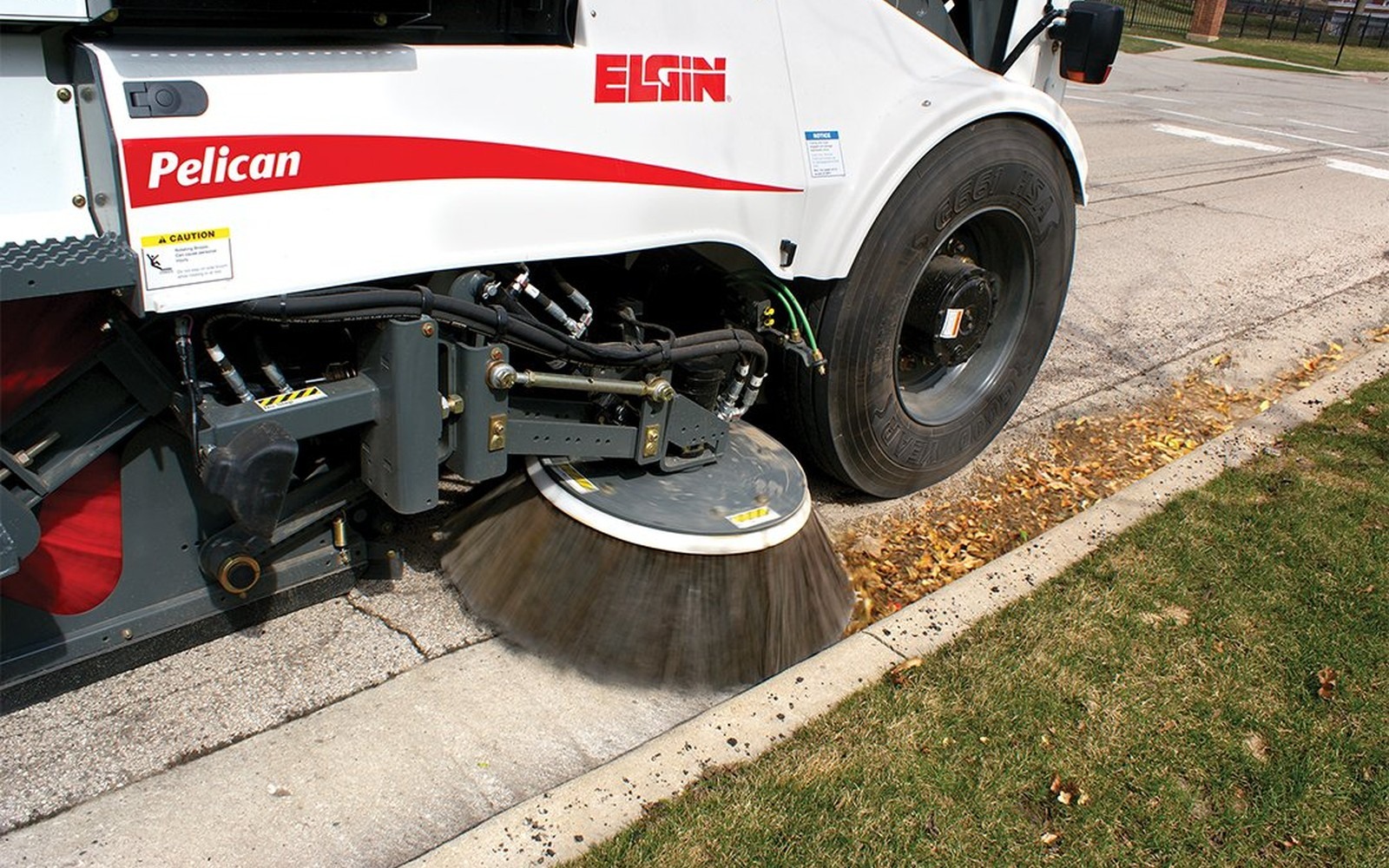
A regen-air sweeper does not use a broom to collect debris. Instead, it uses a high-velocity air blast directed at a specific angle to the pavement surface, loosening fine particles and forcing them into suspension, then a suction pickup head recovers those particles into a sealed debris body. The air is recirculated internally rather than exhausted, which is what gives the system its PM-10 compliance profile. Fine silica, brake dust, tire wear particles, and road film that a mechanical broom would scatter are collected by the regen-air loop.
The system requires water for dust suppression during certain operating conditions, particularly on dry routes in the summer. Water tank capacity varies by model, but most truck-mounted regen-air units carry 300 to 500 gallons. Running out of water mid-route in a PM-10 zone is a compliance problem, so operators learn their tank management quickly. Pickup head height adjustment and blast nozzle maintenance are the key preventive maintenance items, along with fan belt and bearing inspection on the recirculation blower.
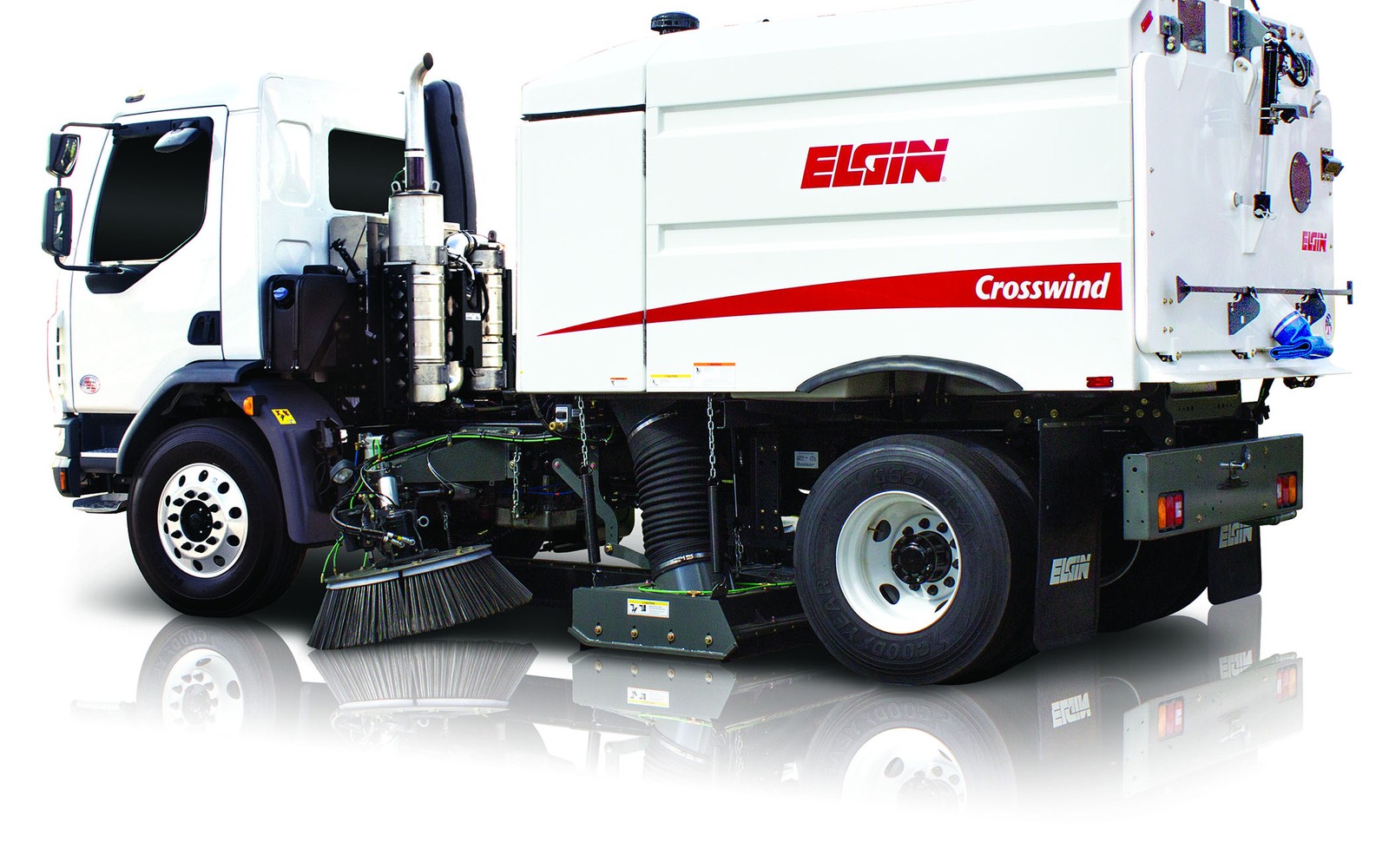
Models in common service include the TYMCO 600, the TYMCO 435, the Elgin Crosswind, the Schwarze A7 Tornado and A9 Monsoon, and the Johnston VT651. Each has a different blast pattern configuration and hopper capacity. The TYMCO 600 and Schwarze A9 are popular on heavy municipal routes where daily hopper capacity matters most. The TYMCO 435 and Elgin Crosswind are common on contracted urban routes where chassis size and maneuverability matter.
Air quality regulations under the Clean Air Act require nonattainment areas to demonstrate PM-10 control measures. Street sweeping is one of the accepted control measures, but only if the sweeper used is a high-efficiency model, meaning regen-air or pure-vacuum technology. A mechanical broom sweeper does not qualify for PM-10 credit in most state implementation plans. This is why so many municipal contracts written in the last fifteen years specify regen-air equipment: the city needs the sweeping hours to count for regulatory credit, not just for curb cleanliness.
For private sweeping contractors, winning a municipal subcontract or a stormwater compliance contract almost always requires regen-air equipment. Stormwater management districts that measure pollutant load reduction depend on high-efficiency sweepers. A contractor who bids those contracts without a qualifying machine leaves serious revenue on the table. The capital cost of a regen-air unit is real, but so is the contract value it unlocks.
The economics hold up on private lot work too. Shopping centers, hospital campuses, and corporate parks in air-quality nonattainment areas increasingly specify dustless sweeping methods in their vendor requirements. Parking-lot sweeping companies that added regen-air capacity report winning premium-rate contracts from clients who previously specified dustless methods but had nobody to call who could deliver them.
Regenerative-air sweepers price above mechanical broom units, and deals landing between $200k and $320k stay within application-only territory for most buyers. Under $400,000, we work from an application and three months of business bank statements. A clean application and a clear picture of cash flow is enough to get an approval decision in one business day.
Credit profile matters but does not have to be perfect. challenged credit borrowers get reviewed on the full picture: how much cash moves through the account, whether the business has active contracts, and the machine's collateral value. A regen-air sweeper holds its value well in the used market, which supports lending even when the credit score is not top tier. If you have had a rough year or two, the bank statements are where we see the recovery and structure around it.
For financing amounts above $400,000, covering situations where a contractor is buying two machines or a fleet replacement, we may request one to two years of business returns. That does not change the timeline dramatically, but it adds a document step. Application-only financing applies below the $400,000 threshold and covers most single-unit purchases at current market pricing.
Equipment questions
Clear answers before the equipment file moves to review.
Yes. We consider challenged credit borrowers on sweeper financing. The review focuses on cash flow in your bank statements, active contracts, and the machine's collateral value. A score below 650 does not automatically disqualify you, but we may ask for a down payment or structure the term to reduce lender risk.
Ten days is achievable for clean deals. Submit the application and three months of bank statements immediately, get the machine details to us, and we can often have approval in one business day and funding within five to ten business days after that. Have the purchase agreement or invoice ready to shorten the back-end paperwork.
Yes, that is a reasonable approach. We can do a sale-leaseback on a mechanical broom sweeper you own outright or with low remaining debt, pull the equity out as cash, and you use that cash as a down payment or partial payment on the regen-air unit. Two transactions, but they can move in parallel.
No. Certification status is a regulatory matter between you, the machine, and your state program. We finance the equipment based on its type, condition, and market value. Whether you run it on a PM-10 compliance route is your operating decision, not a lending condition.
It is harder under two years in business but not impossible. We have startup financing options that may require a larger down payment or a cosigner. If you have a signed sweeping contract in hand, that helps considerably because it gives the lender visibility into your revenue pipeline.
Keep exploring
Compare adjacent equipment, model, market, and service-area pages.
Equipment desk
Send the machine, seller, hours, and timing. The equipment desk will organize the next step.