Related financing path

Sweeper Types
Finance mechanical broom sweepers for municipal streets, parking lots, and contractor fleets. minimum ticket starts near $50,000, challenged credit reviewed, funding paced to the completed file.
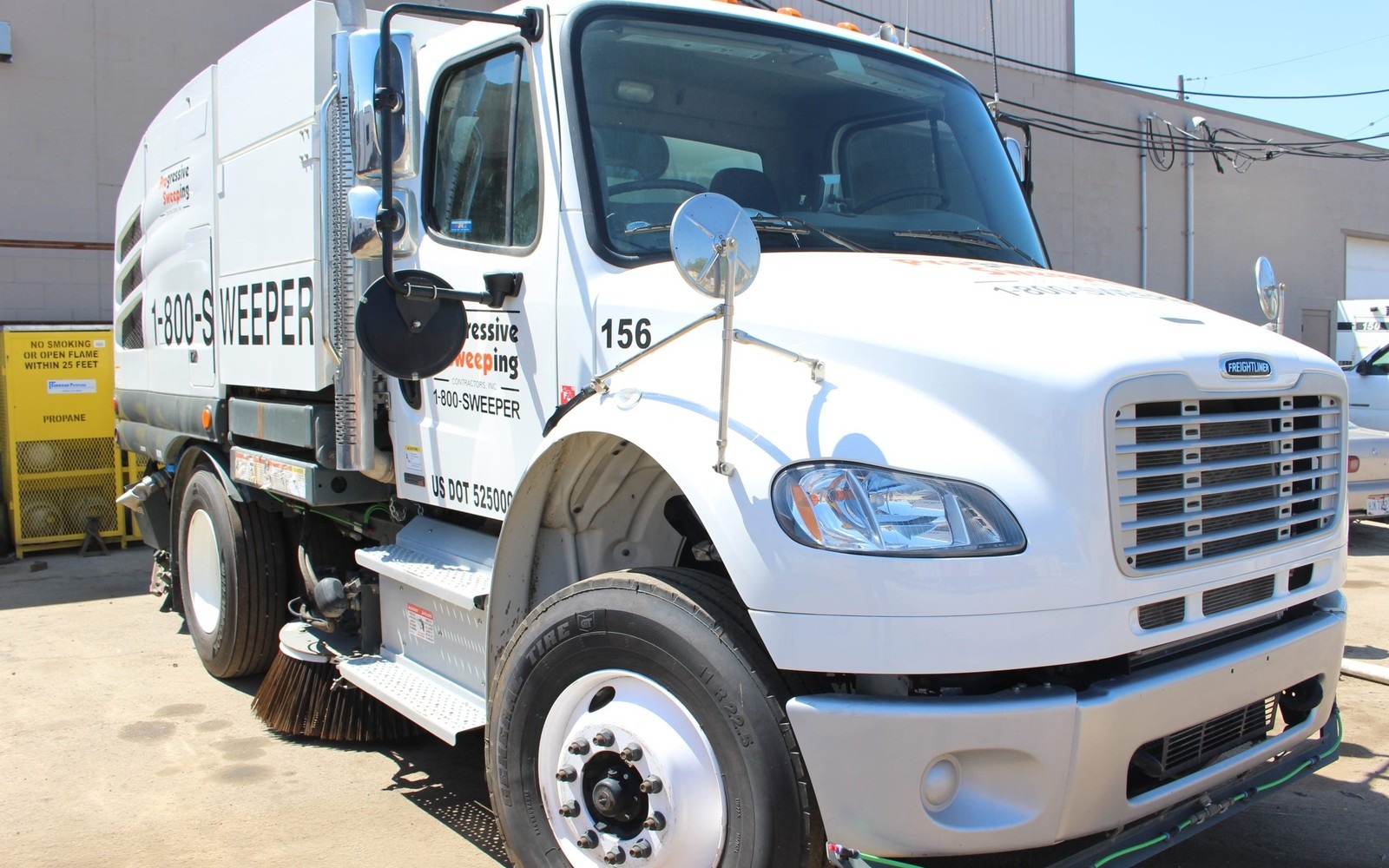
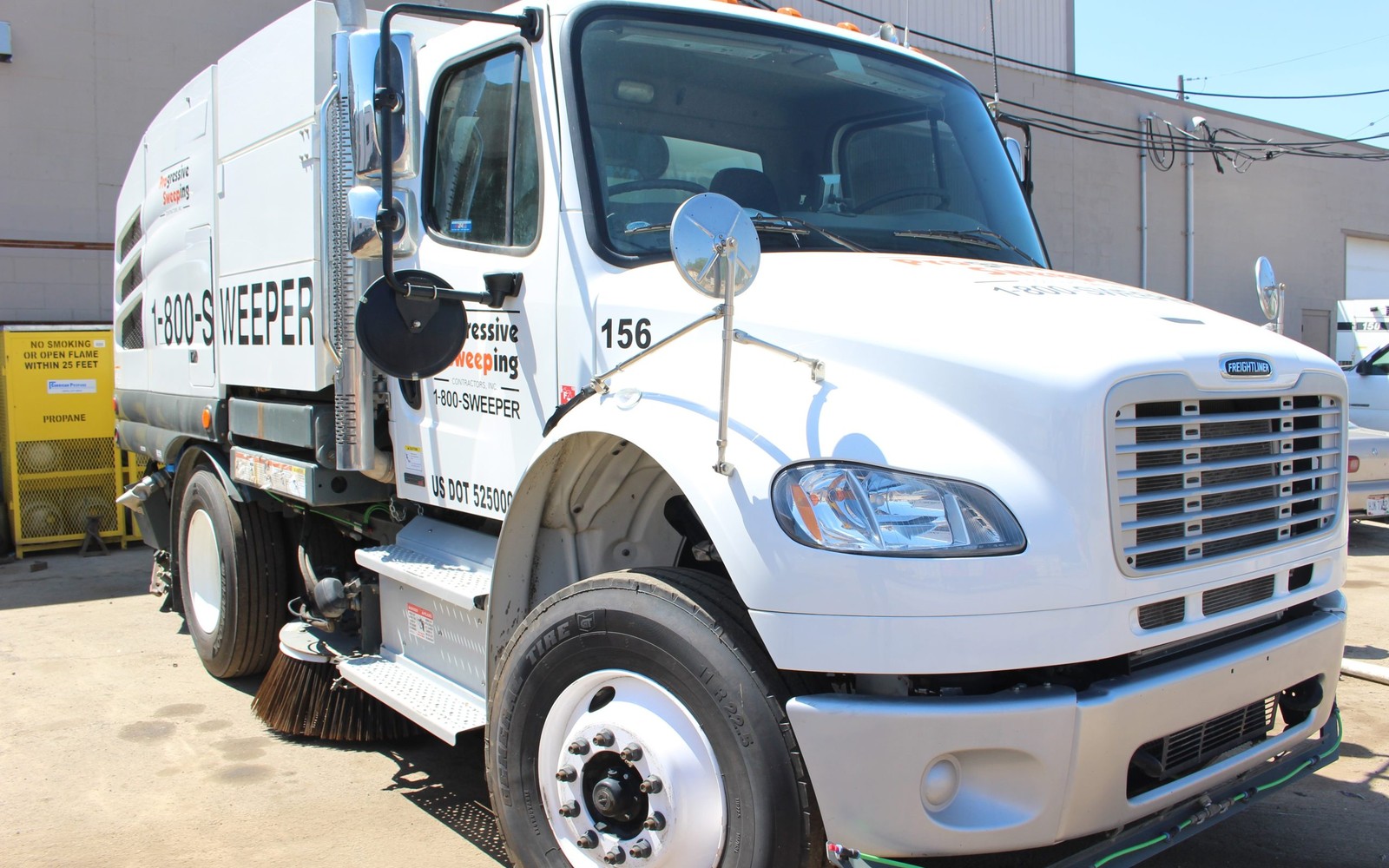
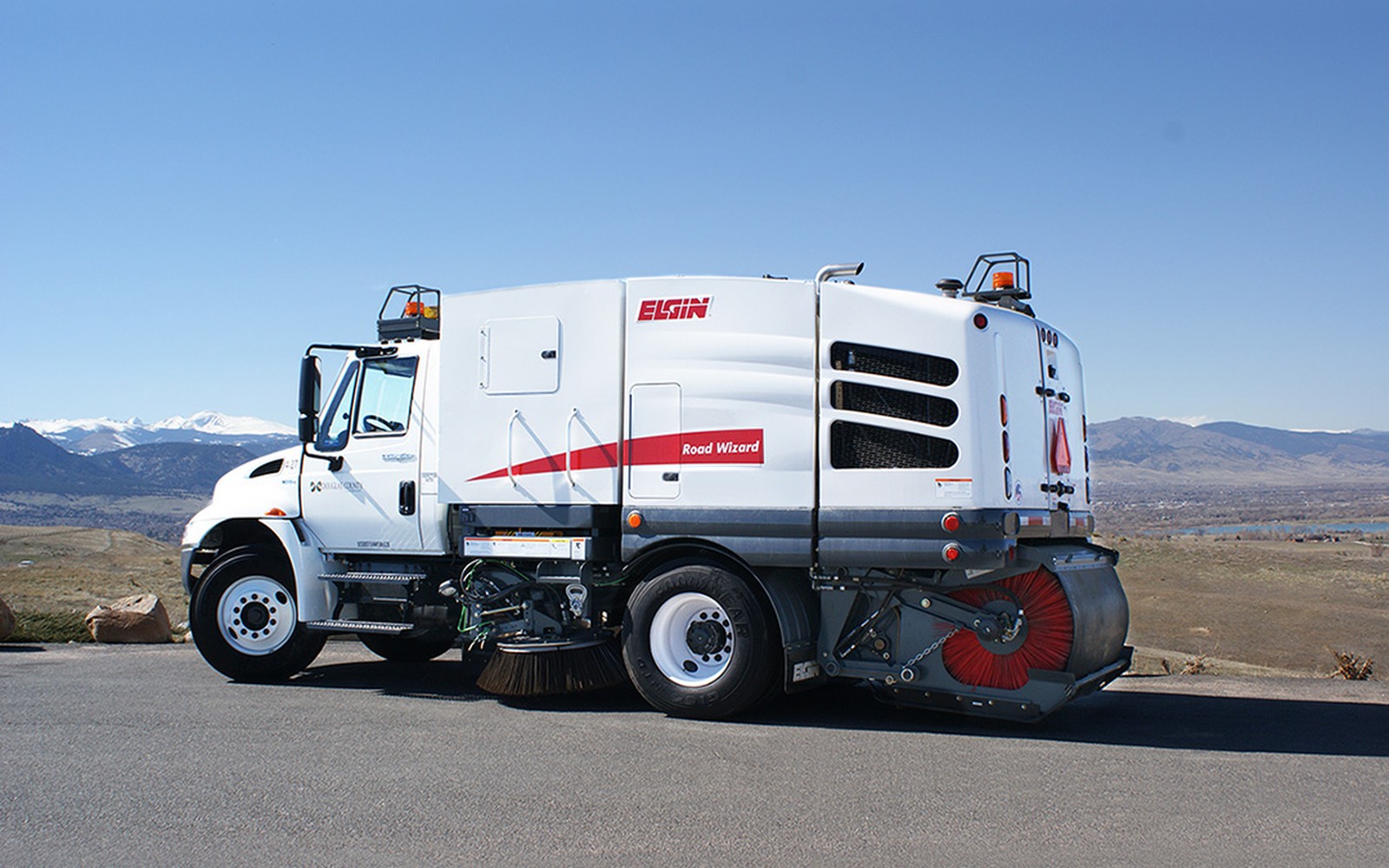
Main broom, gutter brooms, curb to curb. The mechanical broom sweeper is the workhorse of most municipal fleets and the first truck most sweeping contractors ever buy. It moves debris by direct contact, sweeping sand, gravel, leaves, and coarse litter into the hopper through a rotating main broom and side gutter brooms that push material in from the curb. There is nothing subtle about it, and that is exactly why it sells.
New mechanical broom units from Elgin, Global, and Schwarze run roughly $180,000 to $260,000 depending on chassis, hopper capacity, and auxiliary engine setup. Used machines with solid service records can come in around $80,000 to $130,000. Either way, it is not a check-writing purchase for most contractors, and a long bank approval process costs you the machine or the contract. We finance mechanical broom sweepers from $50,000, new or used, and we close in about one to two weeks, not a month.
If you run a municipal route, a DOT corridor, or a parking lot circuit that needs high-volume debris removal without the complexity of regen-air plumbing, the mechanical broom platform is the answer. We have financed Elgin Pelicans for city DPW fleets, three-wheel mechanical machines for private lot operators, and used Global units for contractors who needed a second truck fast. The deal structure follows the machine and the buyer, not a one-size template.
Regen-air and pure-vacuum machines need water, fans, and precise airflow to move debris. A mechanical broom sweeper needs steel bristles, a main broom shaft, and hydraulic pressure. It handles coarse, heavy material that would choke a vacuum-type unit, and it does not depend on dust-suppression water systems to the same degree when debris is large enough to stay down on its own.
The typical mechanical broom layout uses two gutter brooms that rotate at the curb line, feeding debris toward the main broom, which then drives it rearward and up into the hopper. Hopper capacity on truck-mounted mechanical units ranges from roughly 3 to 5 cubic yards. The key spec is main broom width, which determines how fast you can cover a lane, and gutter broom reach, which determines how close to the curb you can work without a second pass.
Maintenance runs high on main broom replacements and gutter broom cores compared to vacuum machines, but parts availability for mechanical systems is excellent and field repairs are faster. A contractor working rural routes or industrial zones where debris loads are heavy and varied gets more productive hours per shift from a mechanical broom than from a vacuum unit configured for fine-particle work.
A new mechanical broom sweeper on a current-model chassis comes with the OEM warranty, full EPA Tier 4 compliance, and predictable maintenance scheduling. For a fleet that is adding a route, new is often the right call because the machine will hold its schedule through a multi-year contract without a rebuild sitting on the horizon. Factory pricing runs high, but the financing is clean and the lender has a clear collateral position.
Used machines tell a different story. A well-maintained unit with three to five years on it can be bought for 40 to 60 percent of new cost and will run another five to eight years if the main broom system and hopper are in good shape. The risk is in the inspection. Hydraulic leaks on the gutter broom arms, worn main broom shafts, and deferred hopper repairs all add up fast. We finance used mechanical broom sweepers, including private-party transactions, but we do recommend you get a service history before committing. We underwrite the buyer and the machine together.
If the used unit you are looking at is between $80,000 and $130,000, it fits our application-only window under $400,000 in most cases, meaning three months of bank statements and no audited financials. That gets most contractors an answer in a business day and funding inside two weeks. For a new unit landing between $200k and $260k, the structure is the same but we may ask for one year of business returns depending on credit profile. Used sweeper financing moves just as fast as new when the deal is clean.
Municipal public works departments are the largest buyers of mechanical broom sweepers. City street departments running fall and spring cleanup cycles, post-storm debris removal, and year-round residential street maintenance depend on mechanical broom units for raw debris-handling capacity. Municipal public works departments often run these machines in two-person crews with a driver and a litter-patrol worker walking ahead.
Private sweeping contractors are the second major buyer group. A contractor servicing industrial parks, big-box retail lots, and highway interchange ramps needs a machine that can handle tire shreds, construction debris, and gravel tracked out from parking surfaces. The mechanical broom handles all of that without a pre-soak water system. Sweeping contractors building out a multi-truck operation often run mechanical broom units for heavy-debris routes and regen-air machines for fine-particle and PM-10 compliance routes.
Road construction and paving crews also buy or lease mechanical broom sweepers to clean millings, aggregate, and base material ahead of paving operations. The machine that sweeps a milled surface before an overlay goes down is almost always a mechanical broom, not a vacuum unit. Paving and milling contractors often need a machine available on a project timeline rather than a route schedule, which makes shorter financing terms or a lease worth exploring.
Most mechanical broom sweeper deals fall landing between $80k and $260k. Our $50,000 floor covers nearly every used unit on the market and every new machine. For transactions under $400,000, we work off an application and three months of bank statements. No tax returns, no audited financials, no CPA letter. The lender wants to see the business is running and cash is moving through the account.
Term lengths on sweeper equipment typically run 36 to 72 months. Shorter terms reduce total interest cost but raise the monthly payment. Longer terms lower the monthly number and preserve cash flow for broom replacements, gutter broom cores, and chassis maintenance. Most contractors running scheduled routes choose 48 or 60 months to keep the payment predictable alongside their contract revenue. A street sweeper lease is also available if keeping the machine off your balance sheet or preserving an equipment line matters to the business.
Sale-leaseback is worth knowing about if you already own a mechanical broom sweeper free and clear or with low remaining debt. We fund the equity out of the machine so you have capital for broom inventory, a second unit, or seasonal payroll. The sweeper stays in service; the cash moves to where you need it. Sale-leaseback on sweeper equipment closes on the same timeline as a new purchase, about one to two weeks.
Tell us the machine, the price, and the timeline. We will have a structure back to you fast, not in three weeks. New or used, B or C credit, we have financed sweeping operations at every stage from first truck to fleet. Three months of bank statements is the starting point. Let us get the broom turning.
Equipment questions
Clear answers before the equipment file moves to review.
Yes. We fund private-party transactions on used sweepers. We will need to confirm the machine exists, get the VIN or serial number, and verify the purchase price is reasonable for condition and hours. Private-party deals close on the same timeline as dealer purchases, typically one to two weeks.
Time in business under two years is workable, especially if you have active contracts and three months of solid bank statements. We look at cash flow and collateral value together. Startup financing options are also available for very new operations.
Yes. If you have equity in the machine, we can refinance the remaining balance and possibly pull cash out on top. If you are upside down, a straight refinance to a lower payment may still be possible depending on the machine's current market value.
Most applications return a credit decision within one business day when you submit the application and three months of bank statements together. Funding follows approval by roughly five to ten business days, depending on document turnaround and title work on the machine.
Not always. Many clean deals close with no down payment. On B or C credit files we may ask for 10 to 20 percent down depending on the machine's value and the cash flow picture in your bank statements. We will tell you upfront what is needed before you get deep in the paperwork.
Keep exploring
Compare adjacent equipment, model, market, and service-area pages.
Equipment desk
Send the machine, seller, hours, and timing. The equipment desk will organize the next step.