Related financing path

Models
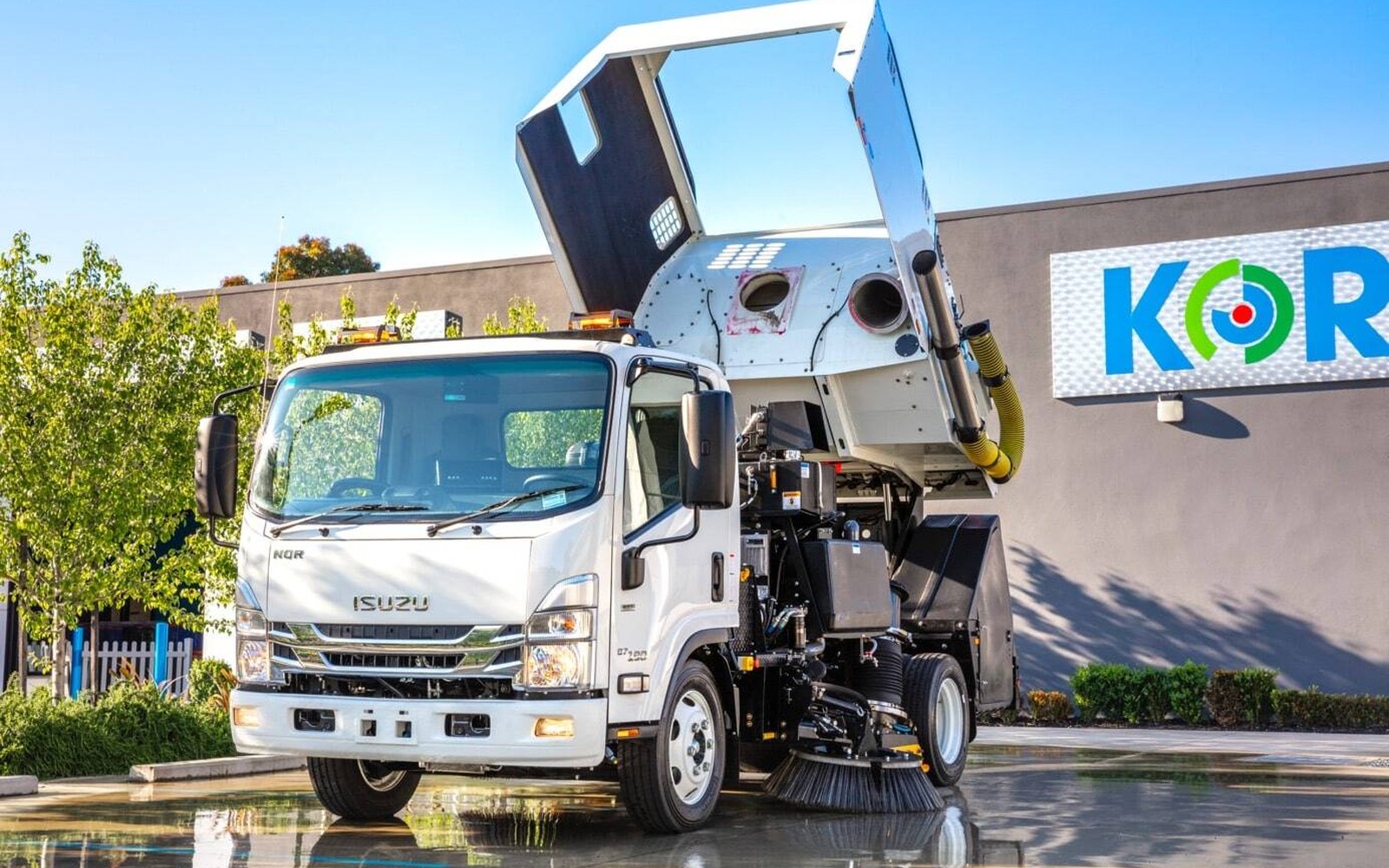
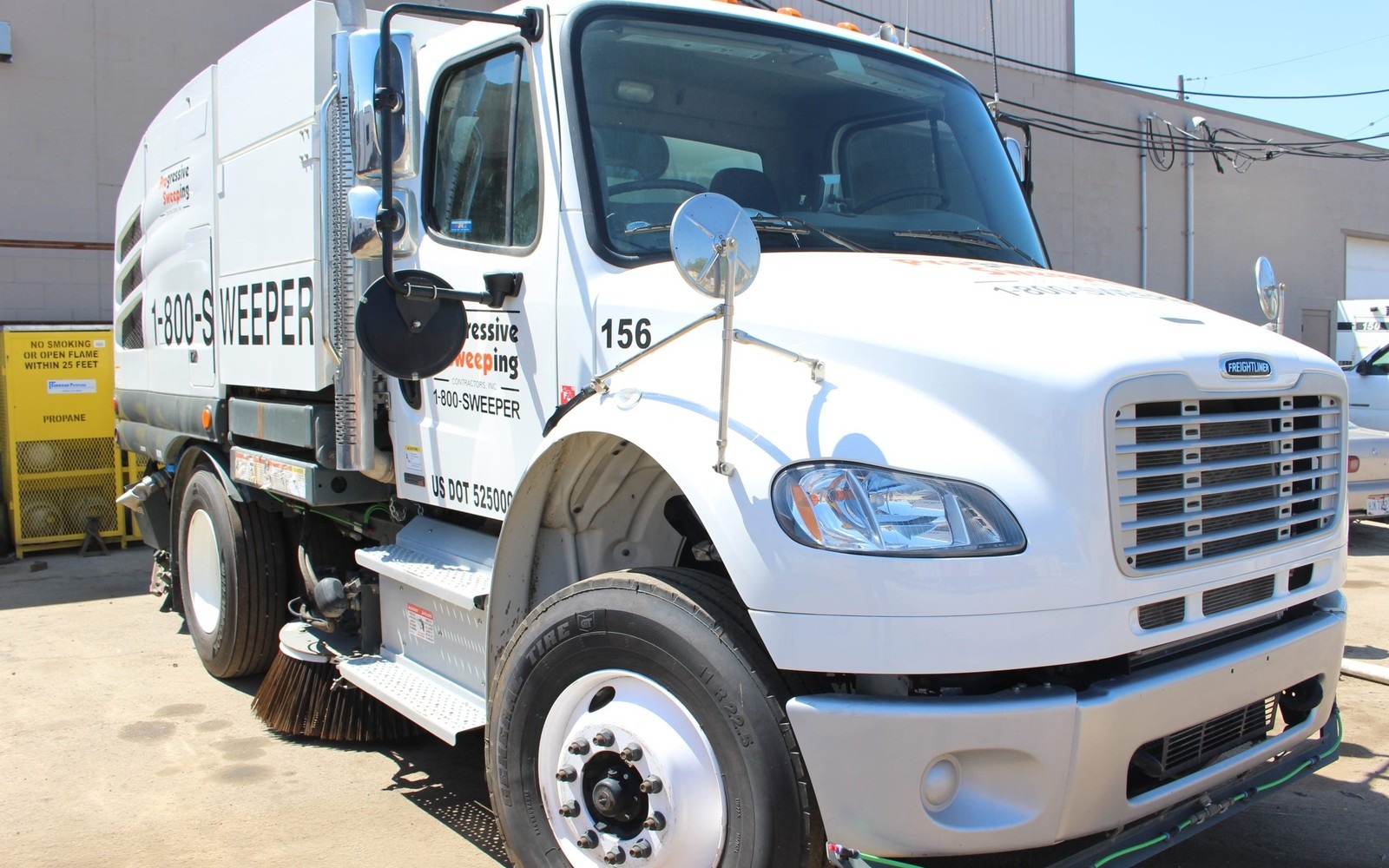
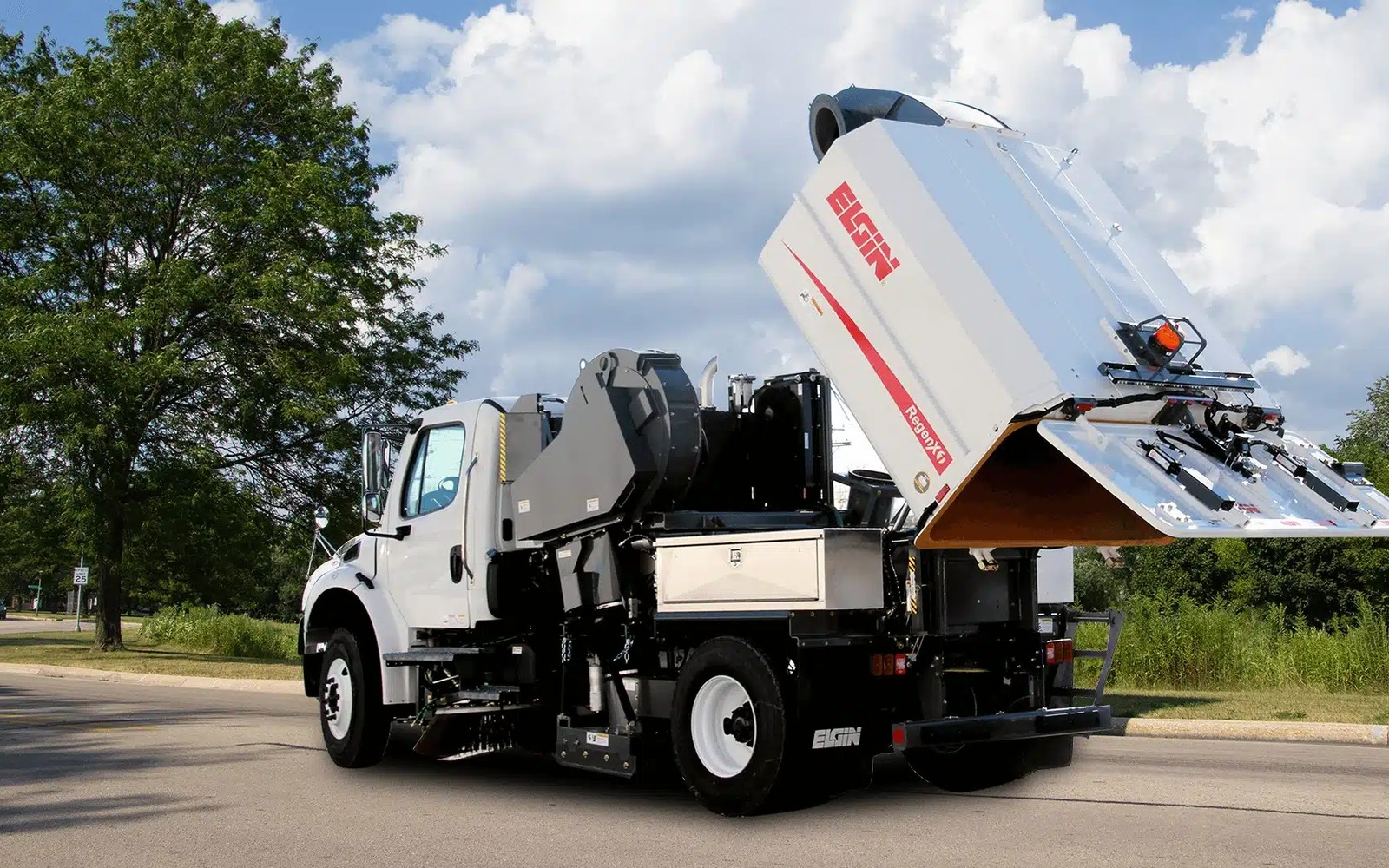
Finance an Elgin Crosswind regenerative-air sweeper. New and used, challenged credit reviewed, application-only up to $400k, funding paced to the completed file.
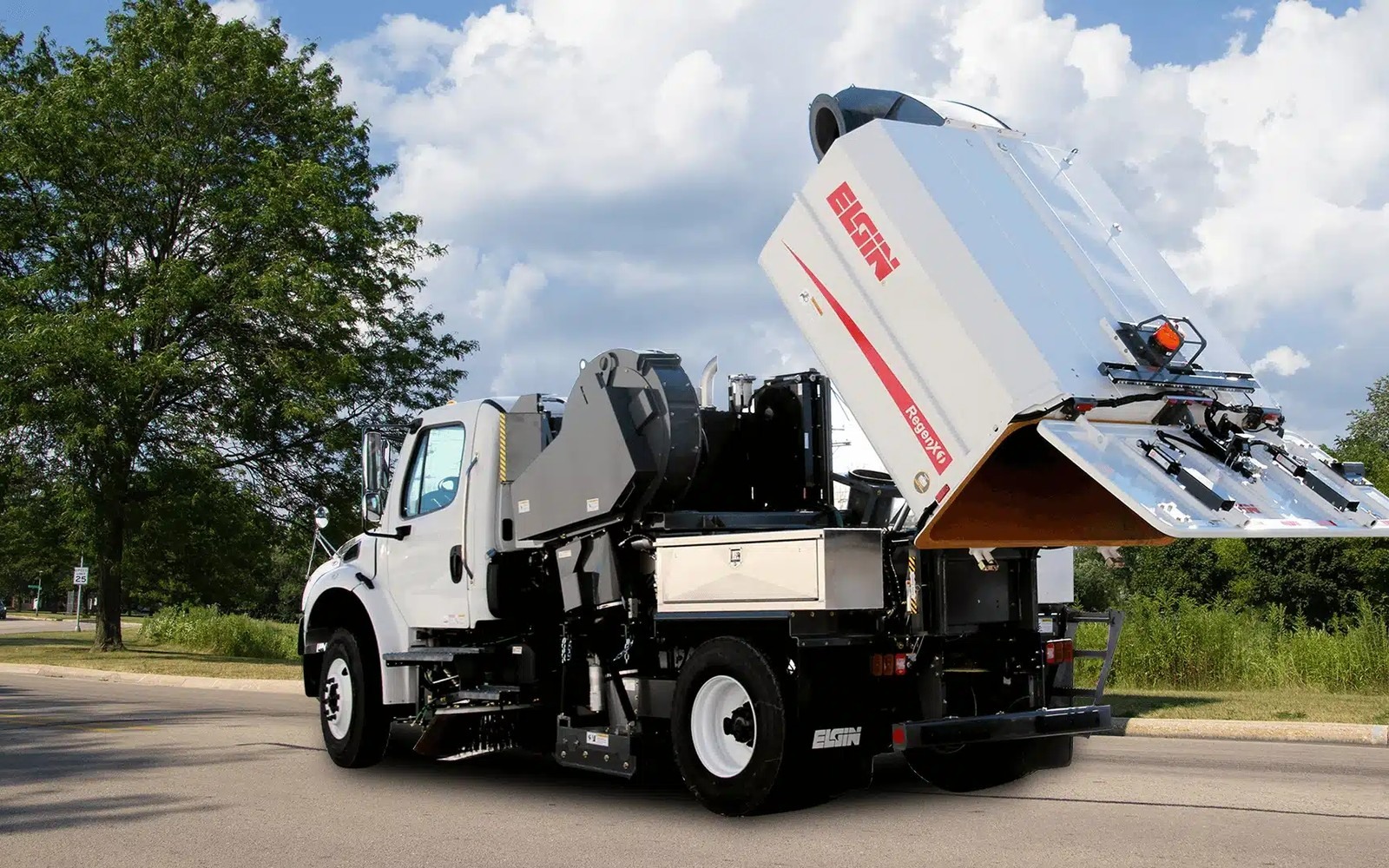
Regenerative air does not brush debris out of the gutter, it blows it loose and vacuums it up. That difference matters on routes where a mechanical broom would scatter fine sand, PM-10 particulate, or leaf litter rather than capture it. The Elgin Crosswind is one of the more established regen-air platforms in North America, and operators who run stormwater compliance routes, post-construction cleanup, or any contract with an active air quality requirement often default to it.
The Crosswind uses a high-volume air blast from the front nozzle to dislodge material from the pavement surface, then recovers it through a suction return path into the hopper. No main broom drags across the surface. The result is that fine material, the sub-100-micron particles that a mechanical broom's bristles throw back into the air stream, gets captured instead of re-entrained. For municipalities under PM-10 ordinances, that is not a performance preference, it is a compliance requirement.
We finance Crosswinds from $50,000, new or used. Elgin financing through our desk covers the full model range, and we have closed Crosswind deals from new dealer purchases to twelve-year-old machines with documented maintenance histories. Application-only up to around $400,000, bank statements, and we have a decision for you quickly.
The Crosswind is built on Elgin's own dedicated sweeper chassis with a rear-mounted engine that powers both propulsion and the fan system. Fan speed is adjustable, which lets operators dial the air volume to match the debris load without burning excess fuel on light routes. On a heavy leaf-fall route in October, you run the fan up. On a fine dust route where you need maximum vacuum pull at low ground speed, you tune it down and slow the machine.
Hopper capacity on the Crosswind is approximately four cubic yards, and the hopper dumps hydraulically at the rear. The water system on the Crosswind handles dust at two points: at the air blast nozzle to knock down dust before it becomes airborne, and at the hopper discharge to suppress dust during the dump cycle. Operators on contracts with active stormwater management requirements appreciate that the water system on the Crosswind is integral to the sweep circuit, not an afterthought.
Used Crosswinds are a regular item in fleet auctions and through specialty sweeping equipment dealers. The fan assembly is the primary wear item to inspect on a used machine. A fan that shows significant blade erosion from abrasive debris will need rebuilding, and that is a cost to factor into the purchase price. Lenders who understand sweeper mechanics know this, and a machine with a recently rebuilt fan can actually strengthen the deal rather than hurt it.
Buyers comparing the Crosswind to other regenerative-air sweepers in its class will find the Elgin platform has strong aftermarket parts support and a substantial dealer and service network across the United States and Canada.
Stormwater management districts and municipal public works departments running EPA stormwater permit compliance sweeping are the core Crosswind buyer. The machine's PM-10 capture performance is the selling point, and many municipalities specify regen-air or hybrid regen machines by name in their stormwater management plans.
Paving and milling contractors use the Crosswind for post-milling surface prep and final cleanup before paving. Milled asphalt generates very fine rap (reclaimed asphalt pavement) particles and millings dust that a mechanical broom sweeper scatters rather than captures. A regen-air machine picks up clean, leaving a surface the paver can run on without contaminating the tack coat. Paving and milling contractors who own their own Crosswind avoid the cost of renting or subcontracting cleanup sweeping on every job.
Environmental cleanup contractors, road construction companies, and airport operators who need dustless surface preparation also run Crosswinds. Airports in particular are sensitive to FOD (foreign object debris) on active taxiways and ramps, and a regen-air machine's capture efficiency is better suited to fine grit and sand than a mechanical broom that pushes rather than picks.
The paperwork is short. Credit application, three months of business bank statements, and the details on the machine: make, model, year, serial number, and seller's contact. That is the standard file for a Crosswind under $400,000. We run that with our equipment desk and get you a decision within a business day or two in most cases.
challenged credit is fine. We have placed Crosswind deals with borrowers who had prior equipment repossessions, tax liens in the process of being resolved, or credit scores in the low 600s. The bank statements are often the real underwriting document at our desk, more than the credit report. Consistent revenue, reasonable operating expenses, and a payment-to-cash-flow ratio that makes sense is what closes the deal.
Bad-credit sweeper financing is a real product, not a marketing headline. We structure deals around the borrower's actual situation, which sometimes means a larger down payment to offset risk, a shorter term to limit lender exposure, or a co-signer on the deal. We tell you what is needed up front rather than surprising you at closing.
Municipalities and public agencies financing a Crosswind have a separate path through municipal lease-purchase, which often carries tax-exempt interest rates that commercial borrowers cannot access.
Tell us the machine you have in mind, new or used, and we will put together payment options the same day. Stormwater compliance contract, paving cleanup, municipal route, the use case does not change how we fund it. challenged credit can still be reviewed. Most Crosswind deals close in one to two weeks. Check out the Elgin MegaWind if you need a larger regen-air platform for high-volume municipal work.
Equipment questions
Clear answers before the equipment file moves to review.
The Crosswind's regenerative-air design achieves high PM-10 capture efficiency. Specific certification depends on testing under SCAQMD Rule 1186 or equivalent protocols, which Elgin has pursued for certain configurations. Check with your regulatory agency for accepted equipment lists in your jurisdiction before purchasing for compliance purposes.
Blade erosion on the fan assembly is a condition lender appraisers look for. A machine with significant erosion may require the fan to be rebuilt or the purchase price reduced before the deal closes. If you are buying it with the intention of rebuilding the fan post-purchase, discuss that with us before submitting the deal.
Yes. An FMV lease or TRAC lease on a Crosswind keeps the monthly payment lower than a loan and gives you options at the end of the term. TRAC leases are common for on-road registered equipment and let you set a residual value at the start that determines the buyout amount at the end.
Yes. Municipal financing through our desk follows public procurement requirements. We can provide pricing for an RFP response or work through a cooperative purchasing contract. The municipal lease-purchase structure we use is a lawful and common financing vehicle for government equipment acquisition.
A refinance replaces your existing loan with a new one, typically at different terms or to cash out equity. A sale-leaseback converts the owned machine into cash and you lease it back. The right structure depends on your balance sheet goals and whether you want to maintain ownership of the asset. We can show you both options side by side.
Keep exploring
Compare adjacent equipment, model, market, and service-area pages.
Equipment desk
Send the machine, seller, hours, and timing. The equipment desk will organize the next step.