Related financing path

Industries
Sweeping contractors get fast, flexible financing for new and used street sweepers. minimum ticket starts near $50,000, statement-based review below roughly $400k, challenged credit reviewed, funding paced to the completed file.
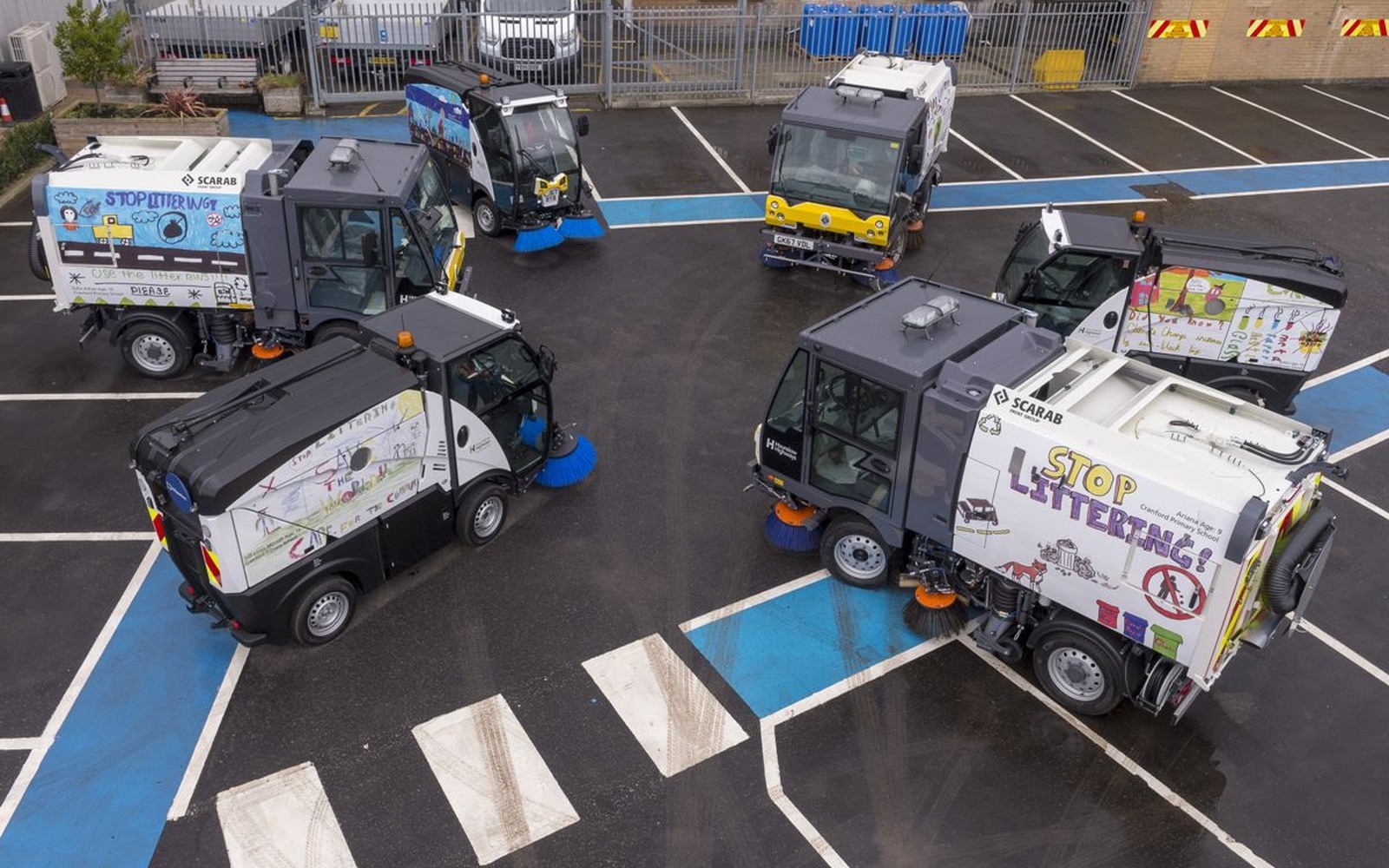
Three a.m., the lot is empty, and your gutter brooms are already turning. That is the sweeping contractor's world: pre-dawn starts, tight route windows, and equipment that has to run every single shift. The margin in this business is thin enough that one machine down for a week can flip a profitable month into a red one. We finance sweeping contractors from $50,000 up, new iron and used, and we close most deals inside two weeks because you cannot afford to wait while a bank figures out what a regenerative-air unit is.
Whether you are a solo operator running a single truck-mounted sweeper on a parking contract or a regional company managing a fleet of a dozen units across multiple municipalities, the financing structure needs to match how this business actually operates: routes that run daily, revenue that comes in monthly, and equipment costs that spike when a hopper crabs out or a main broom assembly needs replacement at 50,000 miles.
We work with sweeping contractors at every stage. Startup operators who landed their first contract and need to spec a machine. Established companies adding units to chase new accounts. Owners who want to pull equity out of paid-off iron via a sale-leaseback and redeploy that cash into a second truck without touching their line of credit. All of those conversations are ones we have every week.
Sweeping contractors come in more shapes than most lenders realize. There are the contract-sweeping companies that hold multi-year agreements with shopping centers, HOAs, and municipalities. There are the specialty operators who focus on construction-phase cleanup, hauling debris off active paving and milling jobs. There are the small operators who run one or two parking-lot sweepers on a network of retail accounts. And there are the growing companies that have outgrown their original equipment and are ready to move from mechanical broom units to higher-capacity regenerative-air machines.
All of them run into the same financing wall: traditional banks treat sweeping equipment the way they treat any specialty commercial vehicle, which usually means slow underwriting, requests for two years of financials, and a credit process that can take six to eight weeks. By the time approval comes through, the machine you wanted has sold, or the contract start date has passed.
We underwrite differently. We look at the operation, the contract base, and three months of bank statements. For deals up to $400,000, application-only financing is available, no tax returns required. challenged credit is fine. We have financed contractors who were 90 days out of a rough patch and contractors who had spotless credit but needed to move faster than their bank could. The deal is structured around the machine and the operation, not around a credit score alone.
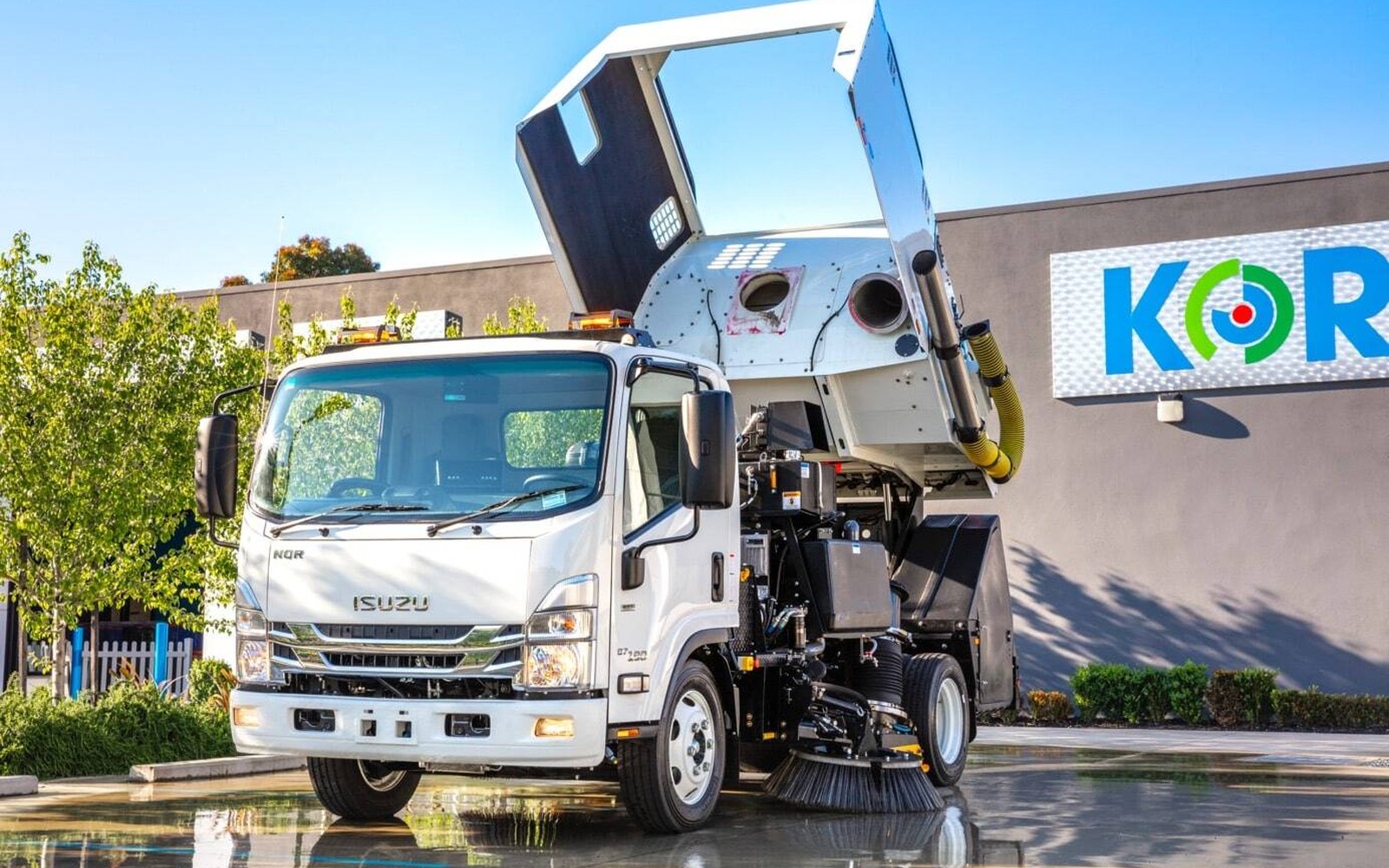
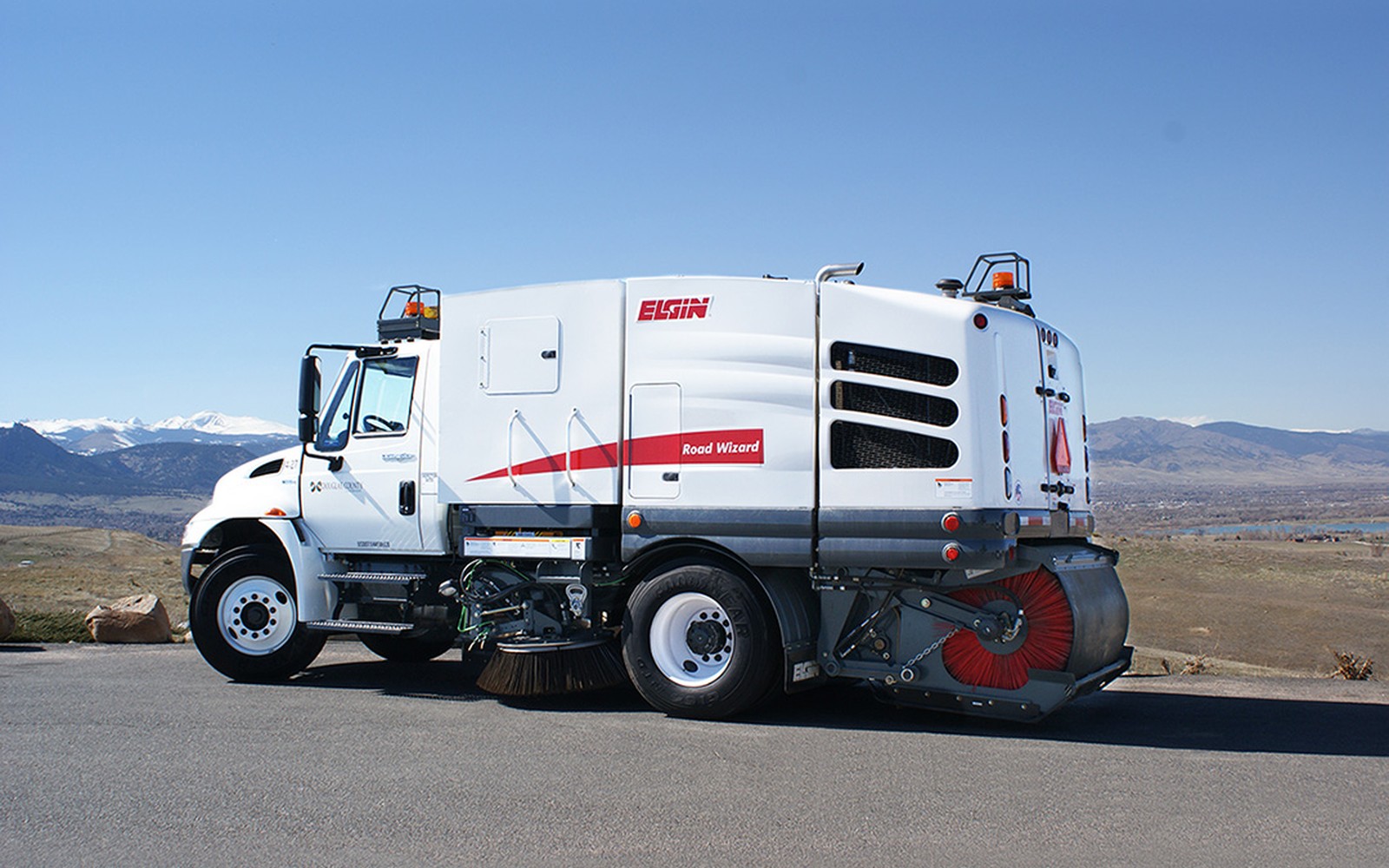
Sweeping contractors typically run mechanical broom units for heavy debris pickup on construction and milling jobs, and regenerative-air or pure-vacuum units for street-cleaning contracts where PM-10 particulate compliance is a requirement. The machine you need depends on the contract you hold, and the financing should reflect the asset's actual useful life and residual value.
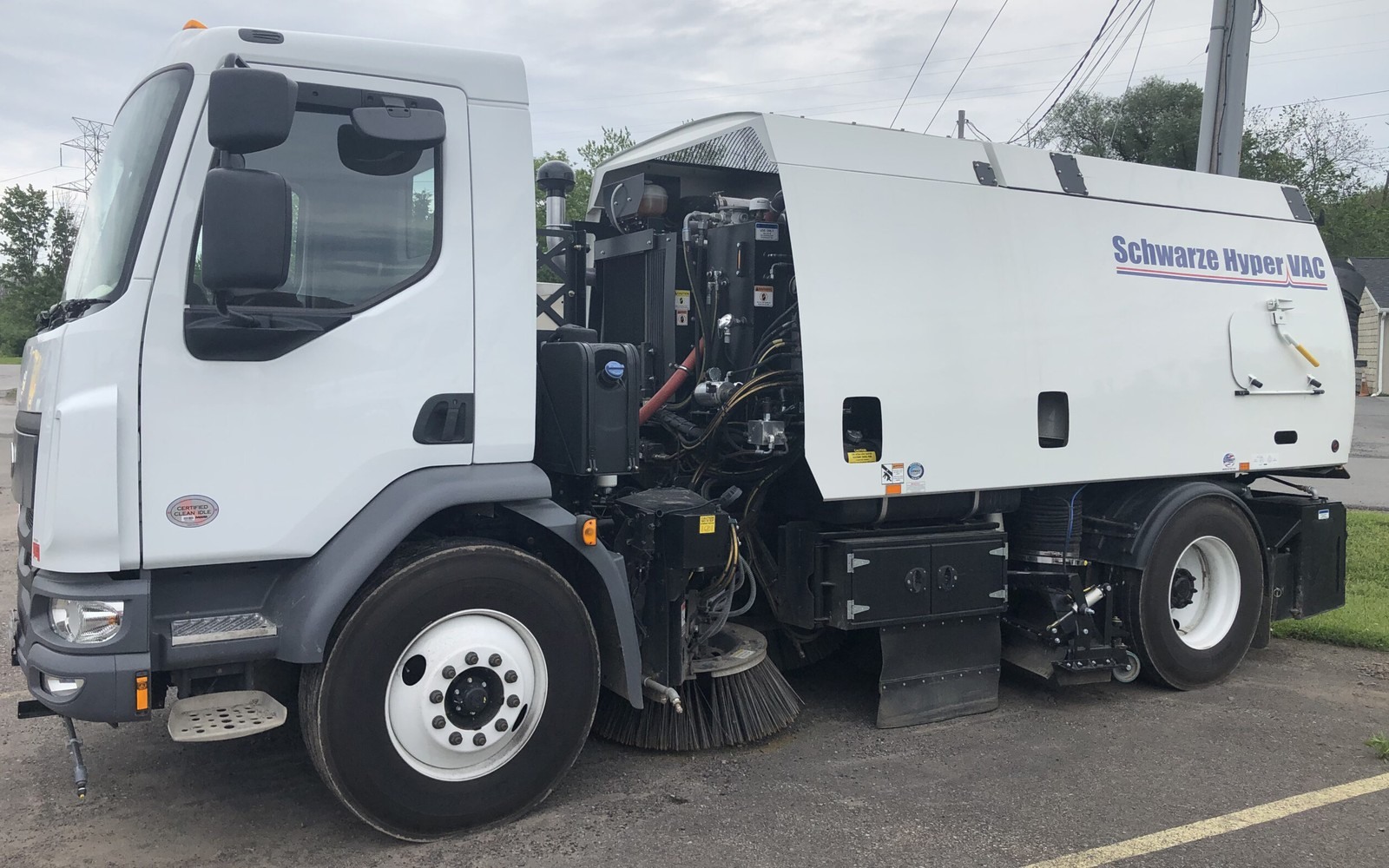
Mechanical broom sweepers in good condition hold value well because the gutter broom and main broom systems are field-serviceable and replacement parts are widely available. A used four- or five-year-old unit from Elgin or Schwarze often pencils better than a new machine when you factor in depreciation. We finance used iron without the friction most lenders apply to it.
Regenerative-air units cost more upfront but command premium pricing on municipal and stormwater compliance contracts. A regenerative-air sweeper that meets PM-10 certification requirements can carry significantly higher contract rates than a basic mechanical broom machine, which shifts the return on financing substantially. We account for that when we structure the term.
For contractors adding a specialized unit for construction cleanup, a construction site sweeper built to handle heavy aggregate and mixed debris is a different asset class than a street-cleaning unit, and we price the deal accordingly.
The timeline in sweeping contracting does not accommodate a 45-day bank process. A municipality posts a notice that it needs additional sweeping coverage starting the first of next month. A shopping center owner calls because their current contractor quit and they need a machine on-site this week. A construction general contractor adds a cleanup sweep requirement to a project that starts in ten days. In all three cases, the contractor who can say yes and show up with equipment gets the work. The one waiting on a bank approval does not.
Our process: application in, credit decision in 24 hours on most deals, documents out same day we get approval, funding in your account inside a week to ten business days once documents are signed. For application-only deals under $400,000, we do not need tax returns or full financial packages. Three months of bank statements, the application, and a quote on the equipment. That is the standard ask. We can move faster if you have everything ready to go.
If you need a street sweeper loan to purchase outright, a lease structure that keeps payments lower, or a sweeper refinance on equipment you already own, the same timeline applies. We do not slow down because the structure changes.
Equipment questions
Clear answers before the equipment file moves to review.
Yes. Private-party purchases are handled the same way as dealer buys. We need the seller's information, a bill of sale or purchase agreement, and confirmation the equipment is lien-free. If there is an existing lien, we can sometimes structure a payoff into the deal. Age and condition of the machine factor into the term we can offer, but used private-party equipment is something we do regularly.
Startup financing is available. It helps to have a signed contract in hand that demonstrates real revenue is coming, a personal credit history we can underwrite against, and enough operating history to show bank statements, even if it is only three months. New-business deals are more case-by-case, but a signed municipal or commercial contract goes a long way toward getting an approval.
challenged credit is something we underwrite regularly. We look at the full picture: your current bank balances, the contracts you hold, how long you have been operating, and the equipment you are trying to finance. A rough credit history alone is not a dealbreaker. What matters most is that the operation looks stable and the revenue is there to support the payment.
A sale-leaseback is exactly what you are describing. You sell the units to us at their market value, we lease them back to you on a structured payment schedule, and you keep running them on your routes. The cash from the sale goes into your account and you can use it however you need, whether that is a down payment on a third unit, an insurance policy, or working capital for a slow month.
Both. Single-unit deals from $50,000 and fleet packages up to and beyond $400,000 are structured the same way on our end. Larger fleet deals may require more documentation than a single application, but we are set up to finance multiple units in one transaction so you are not running separate applications and separate closings for each machine.
Keep exploring
Compare adjacent equipment, model, market, and service-area pages.
Equipment desk
Send the machine, seller, hours, and timing. The equipment desk will organize the next step.