Related financing path

Industries
Retail and shopping-center operators finance in-house lot sweepers for daily pre-open cleanup. Flexible terms, minimum ticket starts near $50,000, challenged credit reviewed, fast funding.
The anchor tenant's store manager pulls into the center at 7:45 a.m. and the first thing they see is yesterday's litter still sitting against the curb. That impression sticks, and it is the kind of thing that shows up in tenant retention conversations eighteen months later when the lease renewal is on the table. Clean lot, full parking, smooth surfaces, working lights. These are the physical attributes that retail tenants use to evaluate the operator relationship, and parking lot cleanliness is the most immediate and most visible of all of them.
Shopping center operators who rely entirely on contracted sweeping services have a scheduling dependency they often do not fully appreciate until it fails. The contractor calls to say the machine is down. The pre-open sweep does not happen. The lot opens with last night's debris. That is not a catastrophic event in isolation, but it happens repeatedly at the edges of a contracted service relationship, and the operator ends up taking the call from the tenant.
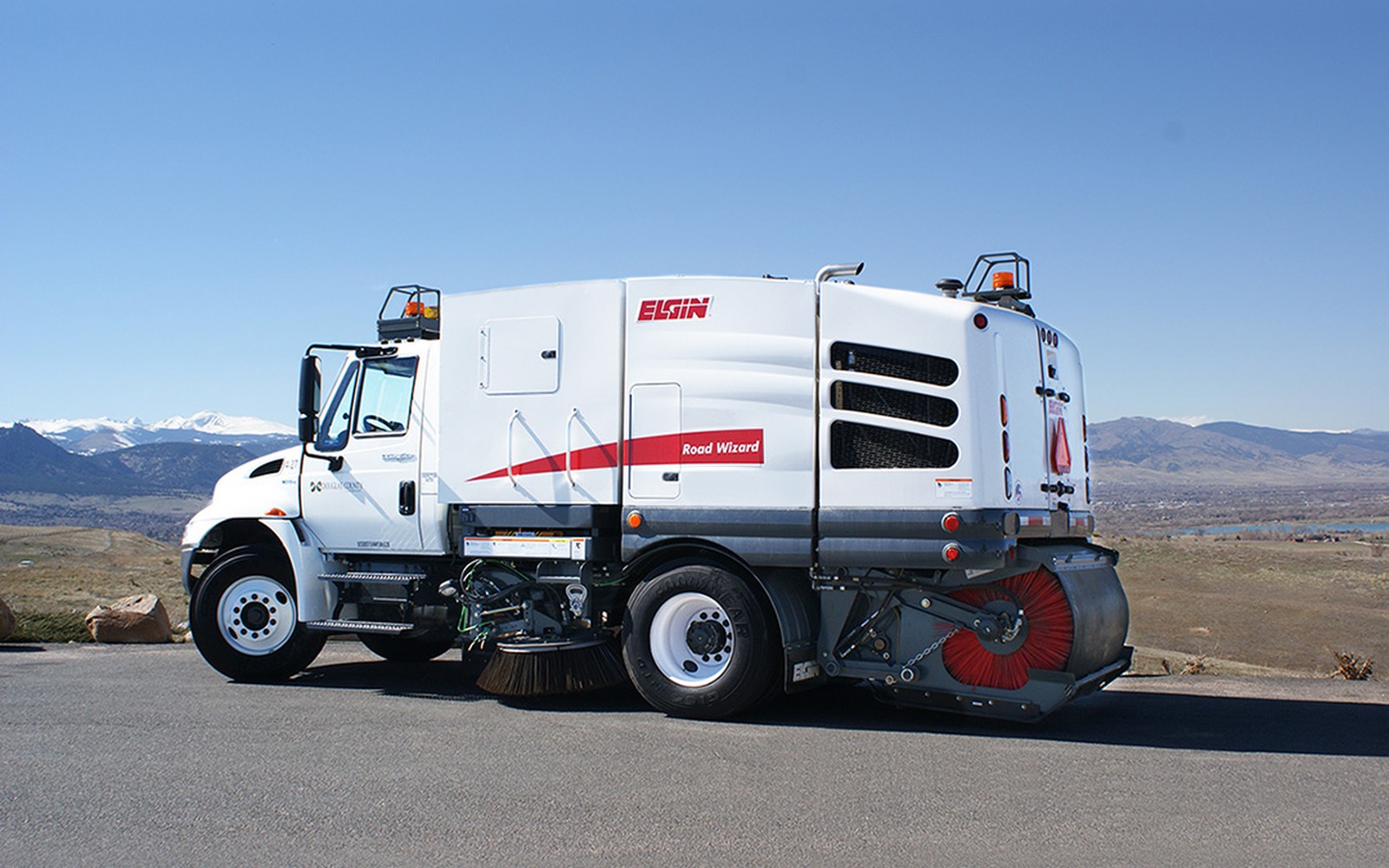
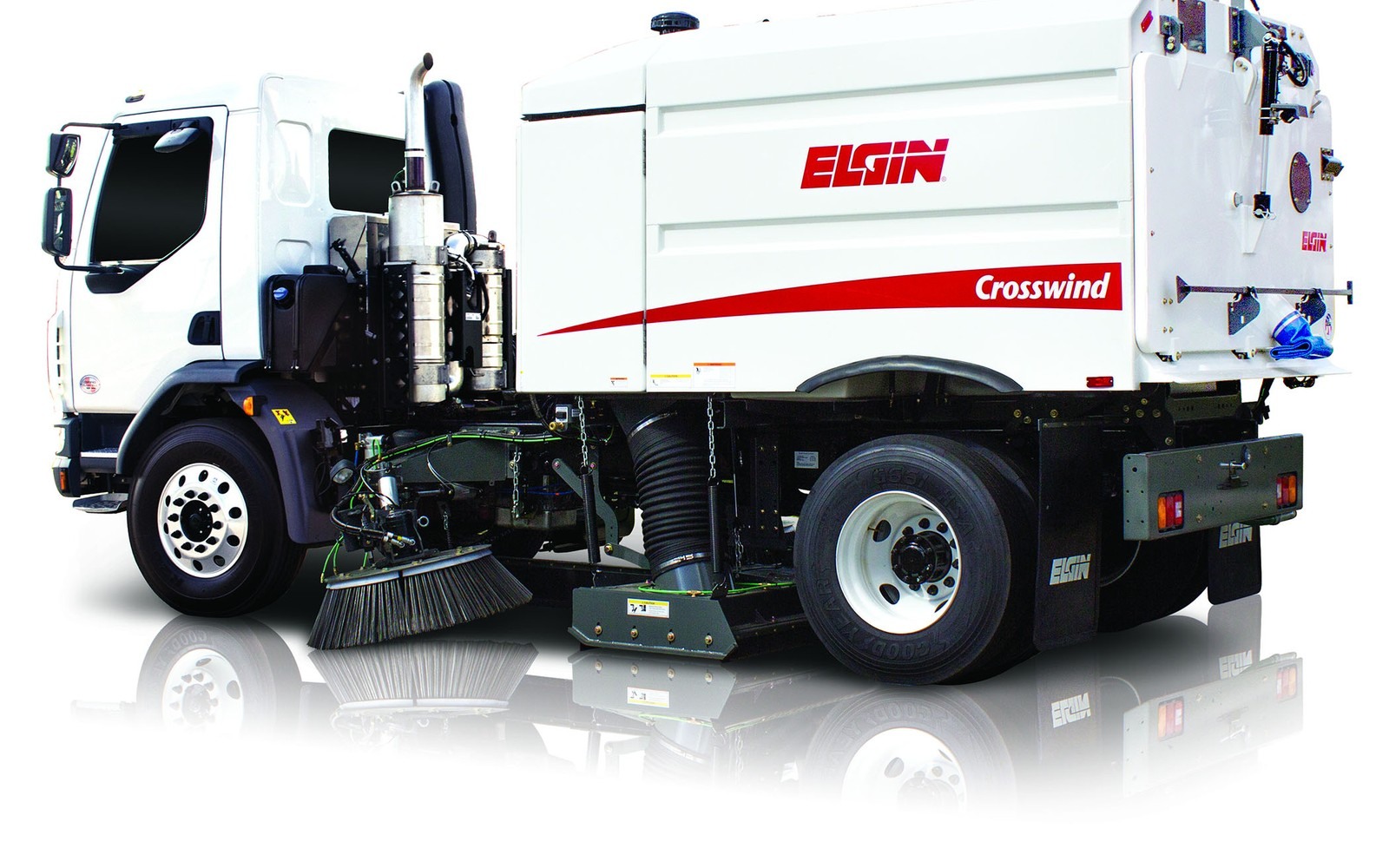
Owning a parking-lot sweeper gives a retail center operator direct control over when the work happens. Your maintenance staff runs the machine on your schedule, not the contractor's. The cost per sweep drops significantly once the equipment payment replaces the contractor invoice, and for centers with daily sweeping requirements, the economics typically favor ownership within the first two to three years of operation.
We finance retail and shopping-center operators for sweeping equipment from $50,000. The deal structure fits property-based revenue: consistent monthly income from tenant leases, predictable expenses, and capital needs that follow the property improvement cycle rather than a project calendar.
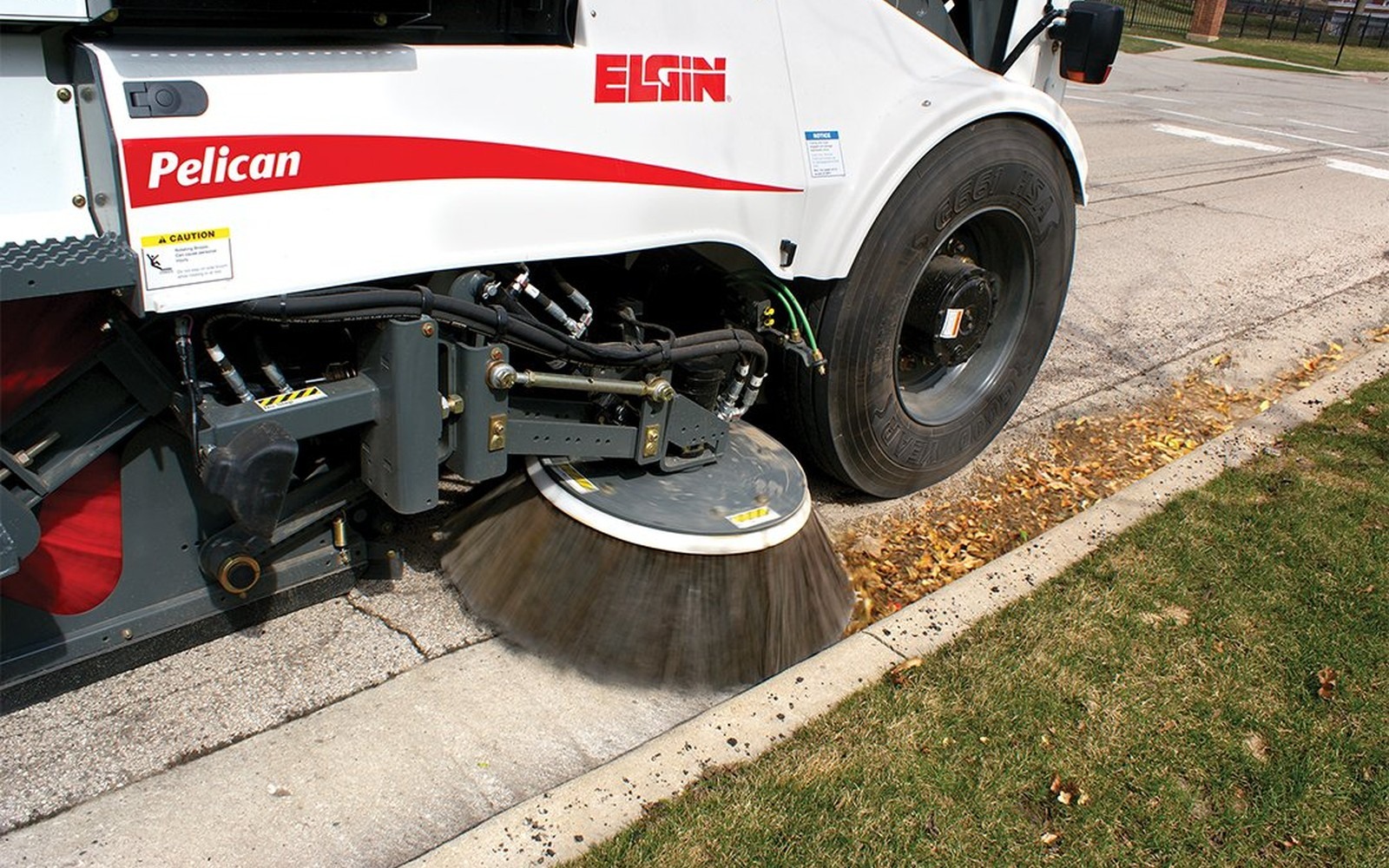
High-traffic retail lots accumulate debris at a rate that public streets do not. Shopping center traffic peaks in the evening hours, which means the heaviest debris load is deposited after business hours and sits until the pre-open sweep. Food wrappers, plastic bags, cigarette butts, cardboard fragments from deliveries, loose aggregate tracked in from construction activity on adjacent parcels, and seasonal leaf and organic debris from landscaped islands all accumulate in the wheel stops, curb line, and drainage areas overnight.
Centers with food tenants, movie theaters, or late-night restaurants face a heavier debris load than centers with daytime-only retail. Any anchor that draws significant evening traffic generates the kind of scattered litter that reflects directly on the center's maintenance standards. Daily pre-open sweeping is the standard practice for well-maintained retail centers of any significant size.
Beyond aesthetics, debris accumulation in parking lots creates two operational risks that operators should weigh: liability from slip-and-fall incidents in areas where organic material and wet debris create hazardous footing, and stormwater compliance risk from sediment and pollutants that accumulate in lot drains and reach the storm sewer system. Many municipalities require stormwater Best Management Practices on commercial lots, and routine sweeping is the most commonly specified BMP for parking area stormwater management.
A single-tenant strip center with a fast-food operator may not generate enough daily sweep requirement to justify owned equipment. A multi-tenant power center with anchor tenants, multiple food and service operators, and ten acres of parking is a different situation. The sweep requirement is daily at minimum, and the contractor invoice reflects that frequency.
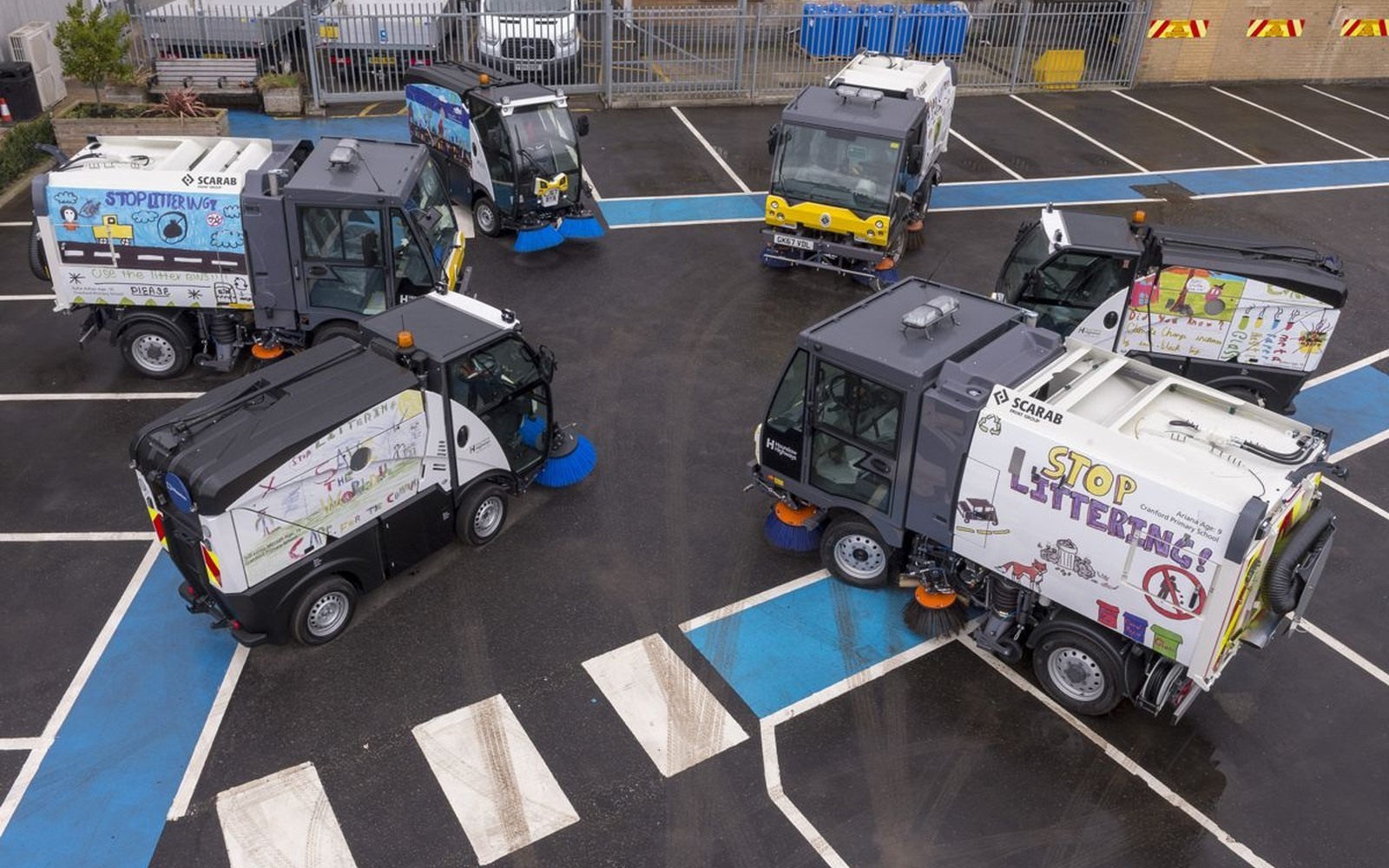
For center operators managing a portfolio of properties, a single sweeper that rotates through the portfolio on a scheduled basis is an efficient deployment. One machine, one operator, and a defined route that covers each property on its required sweep cycle. The capital cost of one machine is far less than the accumulated annual contractor costs across the portfolio, and the equipment can be maintained and serviced on the operator's own schedule.
Large single-site operators, an enclosed mall, a power center with 400,000 square feet of leasable space, a mixed-use development with structured parking, may need multiple units or a larger capacity four-wheel mechanical sweeper to handle the acreage efficiently in the pre-open window. We finance multi-unit purchases and can structure fleet deals as a single agreement.
Operators who currently use a contractor but are evaluating the transition to in-house sweeping often benefit from a straightforward side-by-side cost comparison: annual contractor cost versus annual payment on owned equipment plus operator and maintenance cost. We can help run that comparison and structure a payment that makes the in-house model financially clear.
Retail center operators typically have documented income in the form of lease agreements, rent rolls, and property-level financial statements. This is strong documentation that supports equipment financing applications, often stronger than a trade business with irregular revenue. A center that is 85 percent occupied with established anchor tenants has a very readable cash-flow picture.
We work with the operating company that manages the property, the property ownership entity, or both together depending on how the capital decision is made. Personal guarantees from principals are standard on most deals. For larger portfolio operators with established track records, the business credit profile may be sufficient on its own.
For operators considering a Section 179 deduction on sweeping equipment acquired in the current tax year, the timing of the purchase relative to the fiscal year-end matters. Equipment placed in service before December 31 qualifies for the deduction in that tax year. We can close deals quickly enough that a decision made in mid-December can still result in funded equipment by year-end, which affects the deduction timing.
If the center operator has structured parking that requires a self-propelled sweeper or a compact unit capable of working inside a parking structure with height limitations, we finance those specialized configurations the same as open-lot equipment.
Own the equipment, own the timeline. Retail center sweeping finance from $50,000, decisions in 24 hours, closed inside two weeks. Talk to us before the next contractor invoice arrives.
Equipment questions
Clear answers before the equipment file moves to review.
Yes. The operator entity can finance equipment independently of the property ownership structure. We are financing the equipment and the business's ability to service the payment, not the real property. A ground lease structure does not affect equipment financing eligibility as long as the operating entity has adequate revenue and credit history to support the application.
Indirectly, yes. A stabilized center with a national-credit anchor tenant is a strong property type, and the rent roll from that kind of anchor is predictable documentation that demonstrates reliable cash flow. We are not underwriting the anchor's credit directly, but a well-occupied center with a long-term anchor lease is a more compelling operating picture than a center with near-term rollover risk.
A mid-size mechanical broom sweeper or a ride-on parking-lot sweeper handles both tasks effectively. The pre-open sweep requires hopper capacity for accumulated overnight debris. Mid-day light pickup between parked cars benefits from a compact, maneuverable unit. If budget allows, a dedicated compact unit for mid-day runs and a larger unit for pre-open are the cleanest solution. If you need one machine to do both, a mid-size ride-on unit with decent hopper capacity is the practical choice.
Yes. A multi-skilled maintenance operator is the standard for small and mid-size retail centers. The sweeper is one piece of equipment in the maintenance mix. Operator licensing requirements vary by state and equipment type, but most parking-lot sweepers do not require a commercial driver's license, which means a standard property maintenance employee can typically operate one with basic training.
Keep exploring
Compare adjacent equipment, model, market, and service-area pages.
Equipment desk
Send the machine, seller, hours, and timing. The equipment desk will organize the next step.