Related financing path

Service Areas
Finance street sweepers in San Jose and Silicon Valley. New and used units, challenged credit reviewed, statement-based review below roughly $400k, funding paced to the completed file.
Silicon Valley's construction pace has been relentless for years, and every new campus build, transit hub expansion, and infill project creates sweeping work before the ribbon gets cut. San Jose is the hub of that activity, and the sweeping contractors who keep the Santa Clara Valley's job sites, parking structures, and commercial corridors clean run demanding schedules that don't tolerate unreliable equipment.
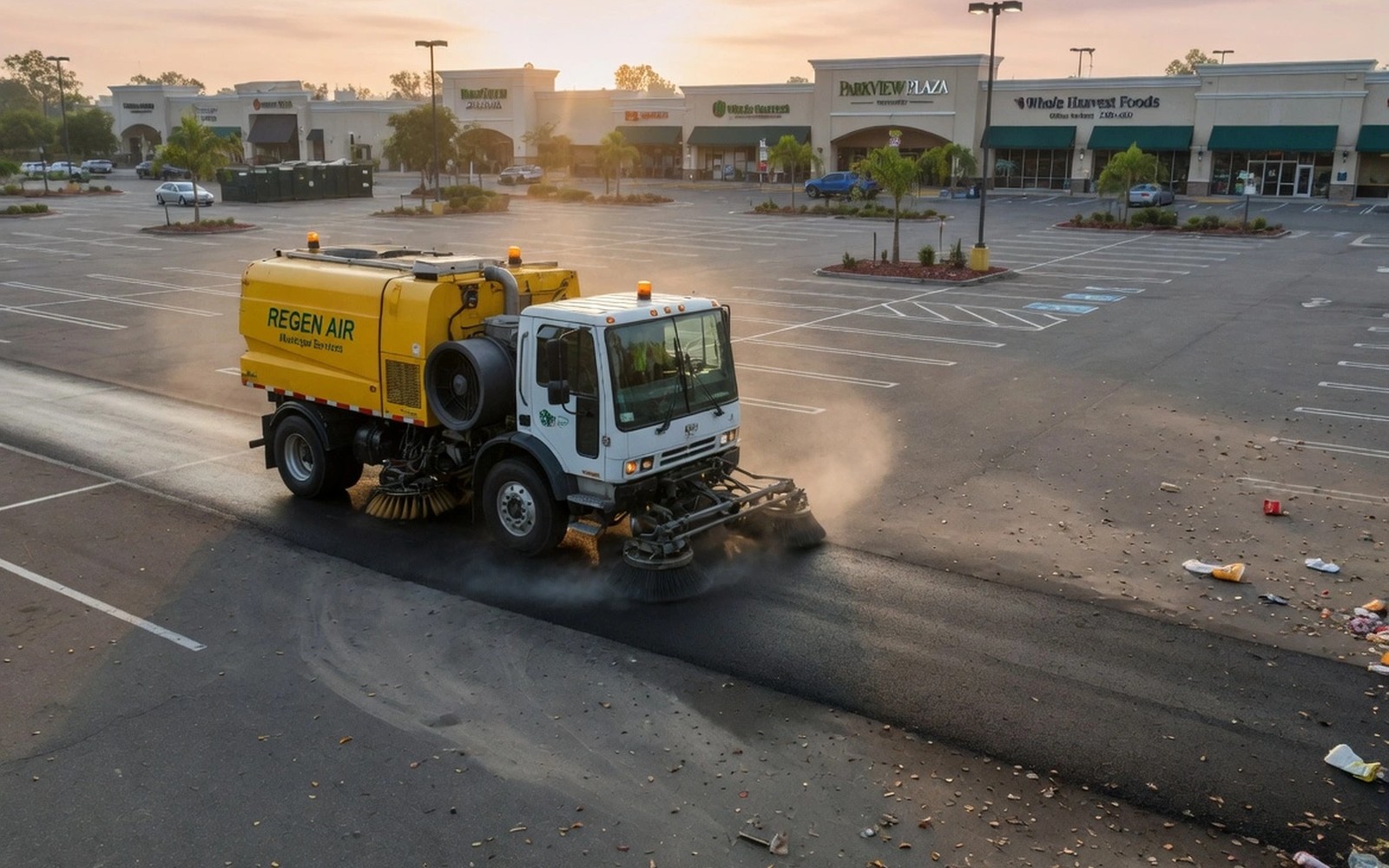
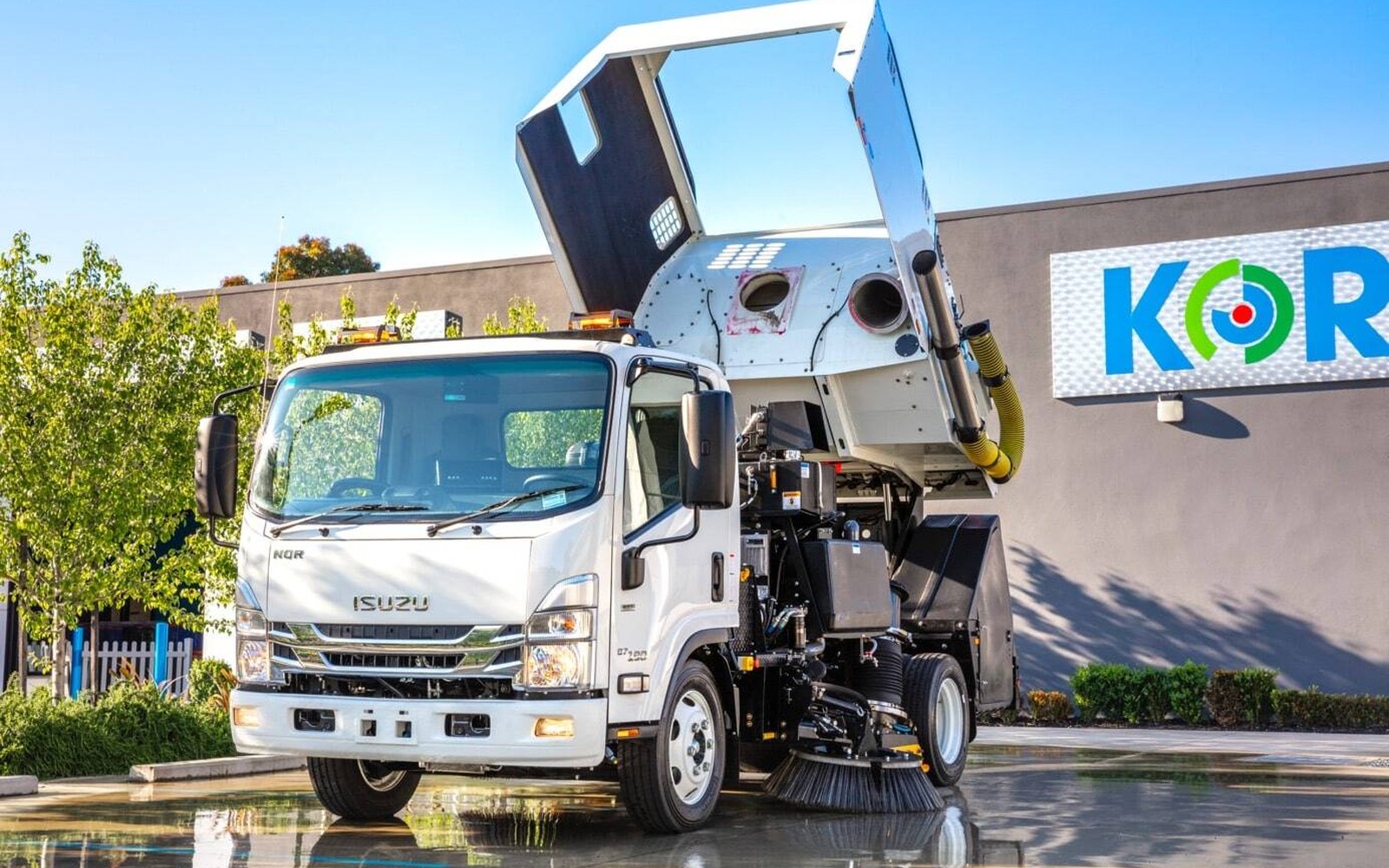
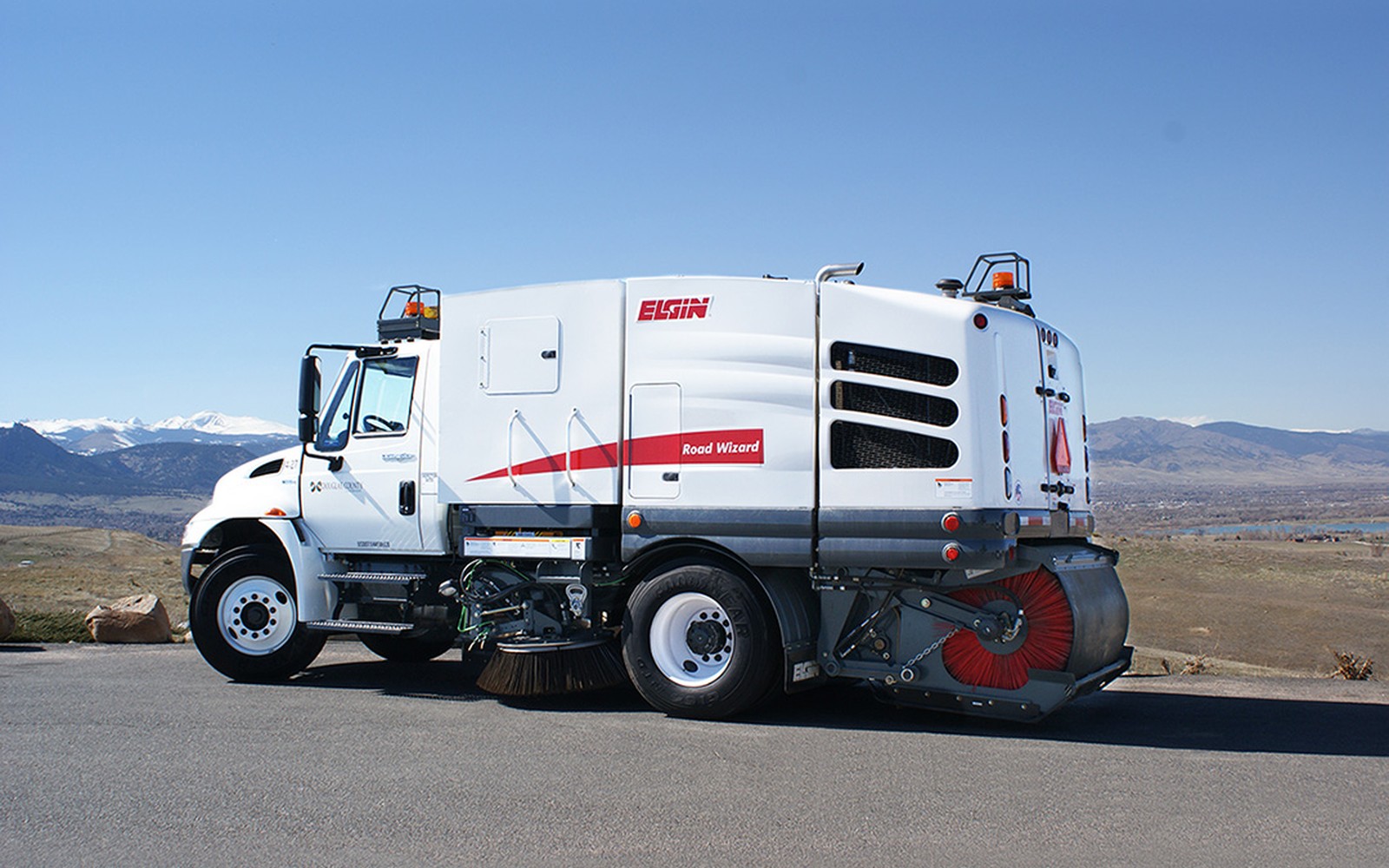
We finance street sweepers for San Jose operators from $50,000 on up. Construction-site sweepers, parking-lot units, truck-mounted road sweepers, regen-air machines, all of it. New or used. B or C credit is not a disqualifier. We close deals in one to two weeks and we don't need a stack of financial statements to get there.
San Jose and the surrounding South Bay markets have a particular demand pattern. The BART extension through the Berryessa corridor and the ongoing VTA light-rail maintenance and expansion have generated years of construction-site sweeping work. The city's stormwater compliance requirements under the Santa Clara Valley Urban Runoff Pollution Prevention Program push operators toward stormwater-compliance sweepers. Downtown San Jose's revitalization and the mixed-use density around Santana Row generate constant parking-lot sweeping demand. Every segment requires different iron, and the operators who can cover multiple contract types grow the fastest here.
San Jose is the largest city in Santa Clara County and serves as the administrative center for a metro area that includes Sunnyvale, Santa Clara, Cupertino, Campbell, and the broader South Bay. Sweeping demand here is driven by three main engines: commercial property management for the dense tech-campus and retail corridors, active construction cleanup on major development sites, and municipal street maintenance for the 200-mile-plus city street network.
The tech sector's campus growth in North San Jose near McCarthy Boulevard and the airport creates sustained demand for large-site sweepers that can handle post-construction debris and ongoing lot maintenance at scale. Companies with campus facilities contracts often specify particular PM-10 or low-emission equipment. CNG street sweepers and electric street sweepers are gaining traction in this market because Bay Area corporate sustainability programs increasingly specify low-emission equipment in their facility contracts.
The city of San Jose operates its own fleet and also subcontracts sweeping work. San Jose's environmental services department runs sweeping programs tied to its stormwater and urban runoff compliance obligations. Private contractors who can demonstrate regulatory compliance and PM-10 documentation have an advantage when bidding those municipal subcontract opportunities.
The process is simpler than most operators expect. You find the machine, whether it's from a dealer, a private seller, or an equipment auction. You send us the application, three months of business bank statements, and the equipment invoice or bill of sale. We review the file and come back with a term sheet, usually within 24 to 48 hours on a complete application. You approve the terms, we get documents signed, and the seller receives payment. From completed application to funded, the standard timeline is one to two weeks.
For deals under roughly $400,000, the process is application-only. No CPA-prepared financials, no tax return package. The bank statements tell us what we need to know about cash flow and operational health. For larger fleet acquisitions or a purchase plus renovation of an older unit, we can discuss a more complete underwriting path.
If you're buying a machine and also want to explore Section 179 deduction treatment, we can structure the financing to support that. Section 179 lets you deduct the cost of qualifying equipment in the year it's placed in service rather than depreciating it over time. That is a tax question you answer with your accountant, but the loan or lease structure can be set up to support whichever path you choose.
If you already own sweepers and need capital, a sale-leaseback on existing iron converts equity to cash while the machine keeps running. That is a useful move when you're growing into a new contract and need working capital but don't want to slow the machine down.
San Jose's contract requirements vary by customer type. Property management accounts tend to want parking-lot sweepers that are quiet, non-marking, and finished before 7am. Construction accounts need machines that can handle chip-seal debris, milling grindings, and silica-laden material that an underpowered unit would struggle to move. Municipal accounts may require specific emission certifications that narrow the eligible machine pool.
Used equipment is an active market in the Bay Area. Municipal fleet rotation in San Jose, Santa Clara, and Sunnyvale puts used sweepers on the market periodically. These machines often have complete service histories, which is useful for your insurance carrier and for demonstrating maintenance compliance on contracts that require it. We finance used machines the same way we finance new: off bank statements, no appraisal required for standard deals.
If you have a contract to chase or a machine to replace, apply online or call. We know sweeping equipment, we know the Bay Area market, and we close in one to two weeks. challenged credit can still be reviewed. New or used.
Equipment questions
Clear answers before the equipment file moves to review.
Yes. Electric street sweepers and CNG units qualify for financing the same as diesel machines. The higher purchase price of electric units can actually make financing smarter since the cash flow case for spreading that cost over time is strong.
Yes. If you own the machine free and clear, a cash-out refinance or sale-leaseback converts that equity to capital you can use toward a deposit or outright purchase of a second unit. We structure those deals regularly.
Not automatically. We look at the trend, not just the worst month. If the more recent months show recovery and the contract base is solid, we can often work around a bad patch. Be upfront on the application and let us assess the full picture.
We don't publish hard score cutoffs because the file is evaluated as a whole. Generally, B credit is roughly 600-650 range and C is below that. Payment history on other equipment loans, length of business, and cash flow all factor alongside the score.
The core financing needs to be on the equipment itself. Spare parts and consumables are not typically financed as part of an equipment deal. However, some dealers will roll a parts package into the equipment invoice and we finance what's on the invoice.
Keep exploring
Compare adjacent equipment, model, market, and service-area pages.
Equipment desk
Send the machine, seller, hours, and timing. The equipment desk will organize the next step.