Related financing path

Sweeper Types
Finance a stormwater-compliance street sweeper for NPDES and MS4 permit requirements. Regenerative-air and vacuum sweepers from about $50,000 with challenged credit reviewed.
Stormwater permits do not negotiate. Phase II NPDES rules under the MS4 program require regulated municipalities and construction sites to demonstrate that street sweeping is part of the pollutant-reduction plan, and the equipment has to be capable of doing the actual work, not just logging hours. A mechanical broom unit that sends fine sediment airborne checks a compliance box on paper but fails the spirit of what regulators are measuring. The right machine captures the debris before it reaches the storm drain.
We finance sweepers purchased specifically for stormwater-compliance programs. Regenerative-air units, pure-vacuum sweepers, and combination machines capable of verified PM-10 dust control all qualify. The financing works the same whether you are a municipality buying into a new MS4 compliance schedule, a contractor servicing a construction site storm water pollution prevention plan, or a stormwater management district building out a dedicated fleet. From $50,000, three months of bank statements, and we close in a week or two.
The machines built for compliance work cost more than basic mechanical units because they do more. A high-efficiency vacuum unit with a sealed hopper and water suppression system is a different piece of equipment than a parking-lot sweeper. We price and structure these transactions accordingly, and we do not expect a compliance sweeper to come in at the low end of the range.
The EPA and state environmental agencies have been increasingly specific about what counts as effective street sweeping for pollutant load reduction. Research from the late 1990s onward established that regenerative-air and vacuum sweepers outperform conventional mechanical brooms on fine particulate and sediment capture. Many MS4 permit documents now reference machine type or require proof of sweeper performance capability.
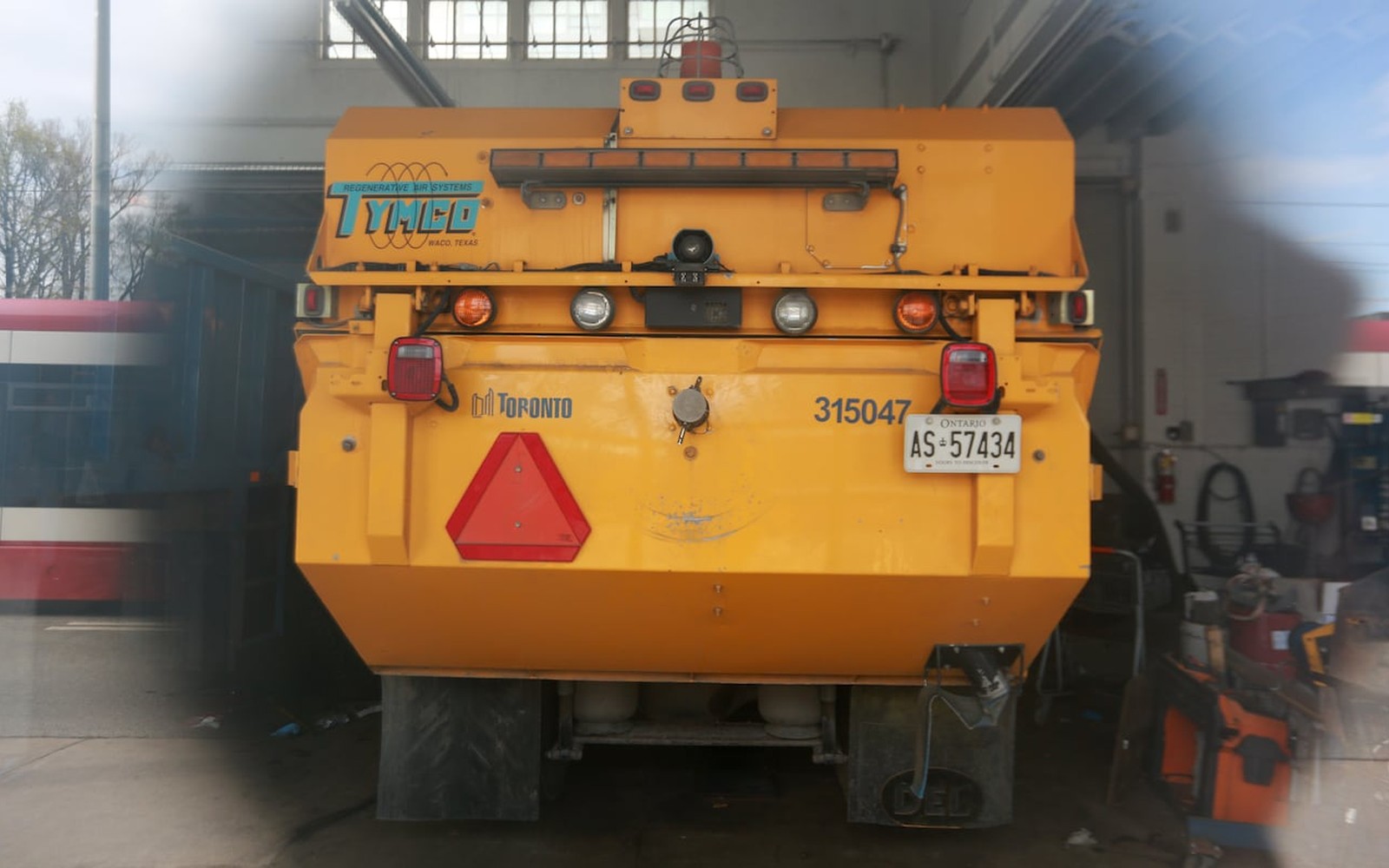
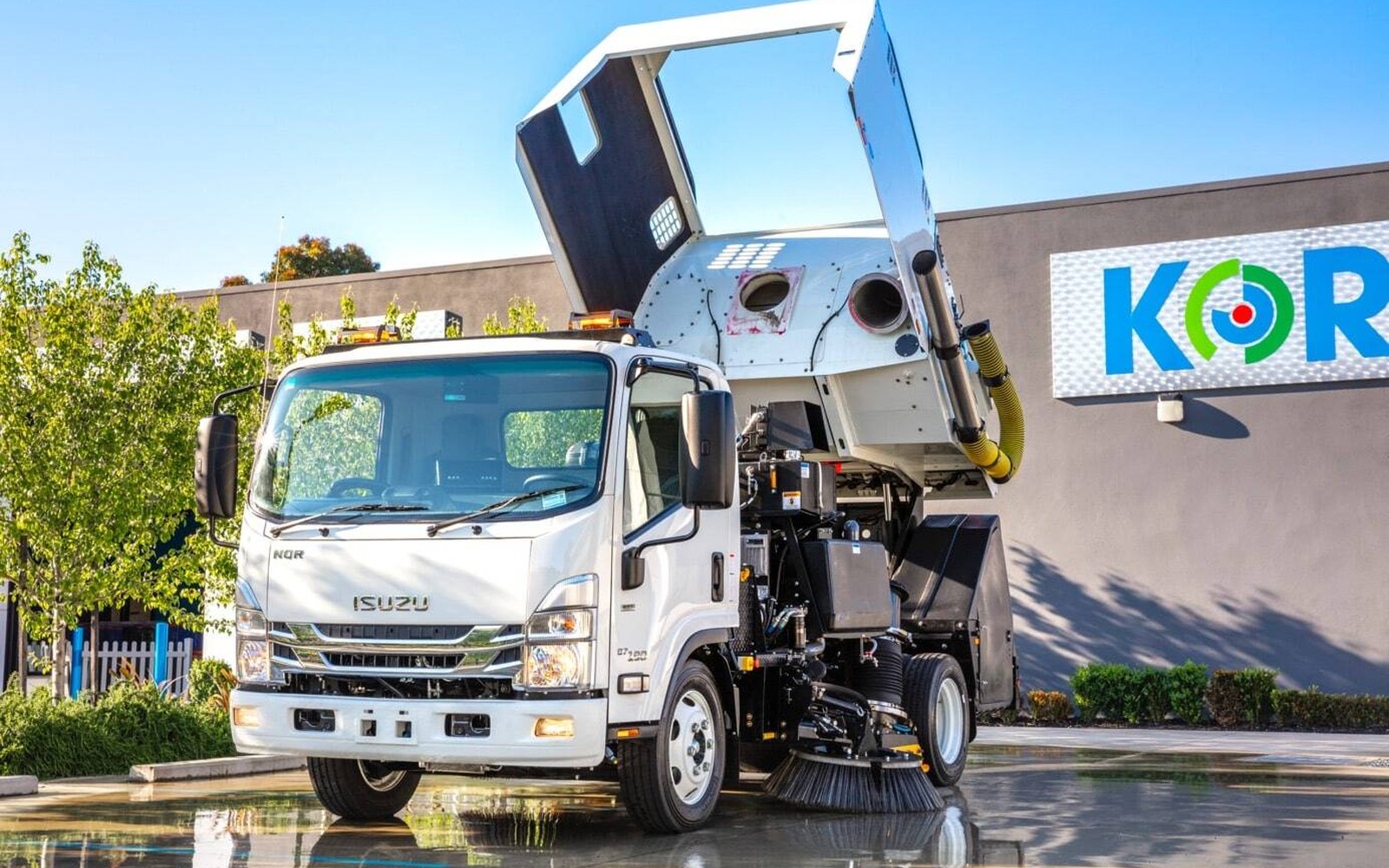
A regenerative-air sweeper uses a high-velocity air blast to dislodge material from the gutter and pavement surface, then pulls it back into a closed hopper. The closed-loop air system keeps fine particles contained rather than suspending them. These units perform well on dry, fine sediment, which is the material most likely to wash into storm drains and degrade receiving water quality.
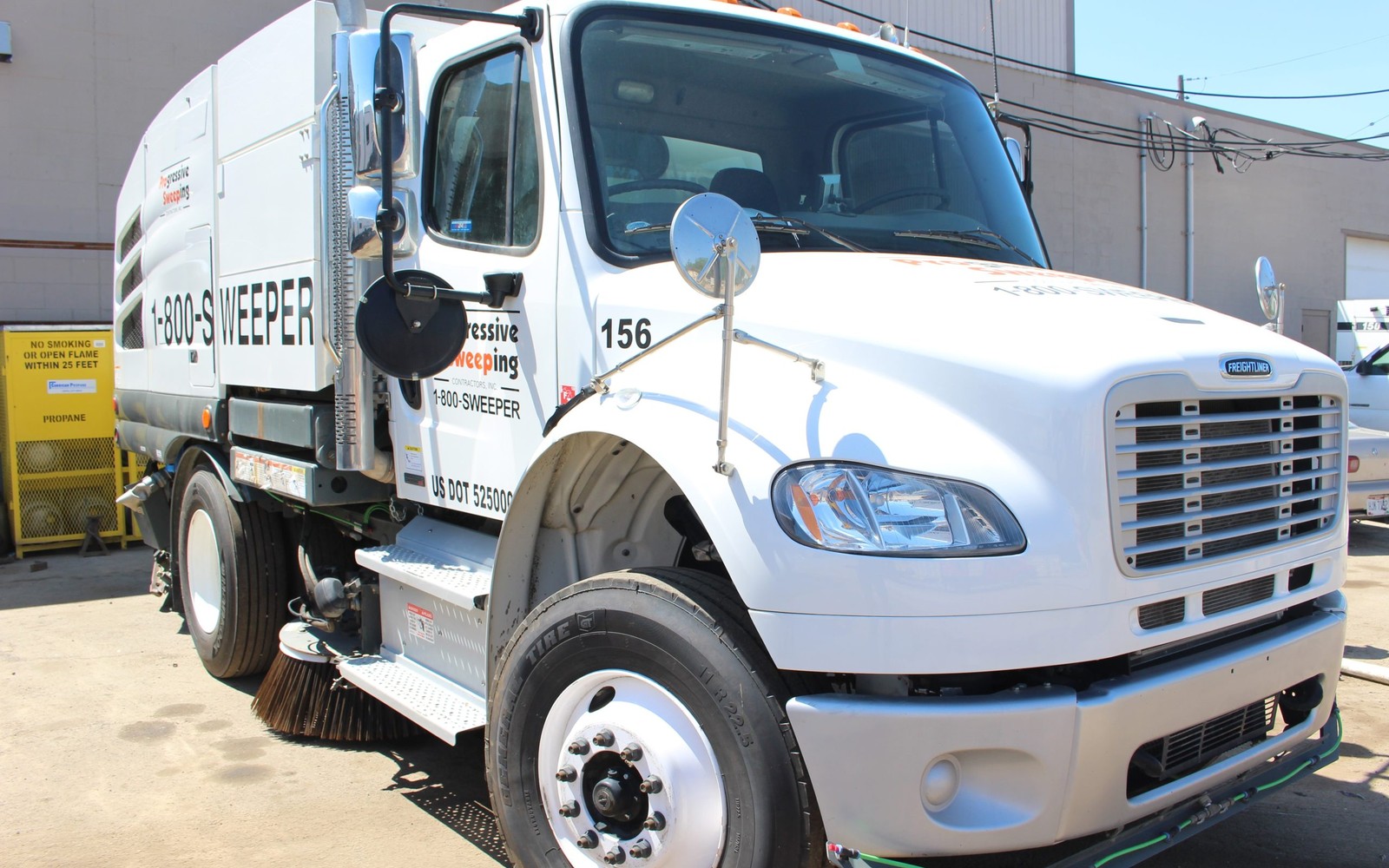
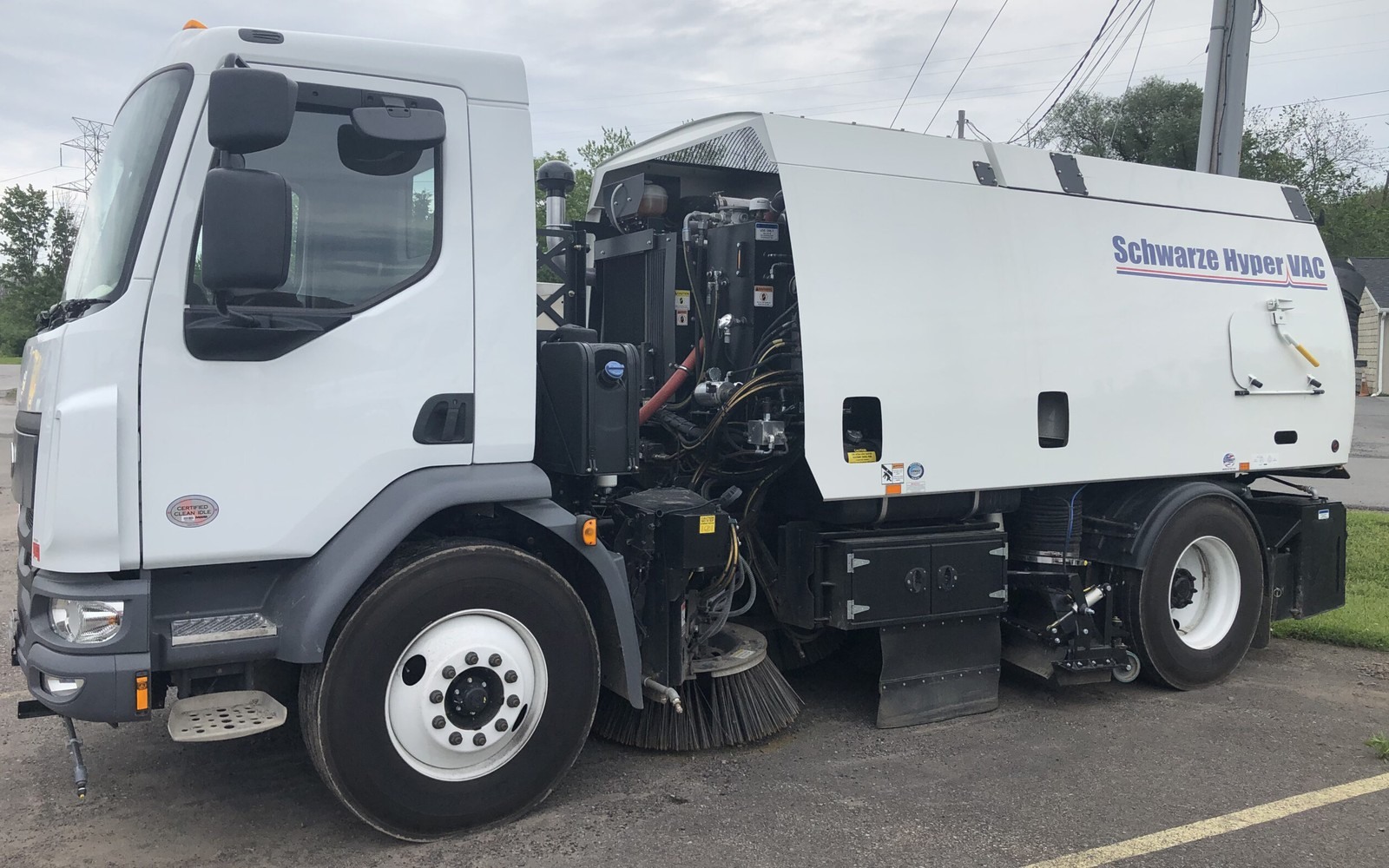
Pure-vacuum sweepers work through direct suction from the pavement surface. They tend to capture fine material efficiently but can struggle with heavy debris loads without water assist. Combination machines pair vacuum action with water suppression to handle a wider range of conditions while still meeting dustless operation requirements.
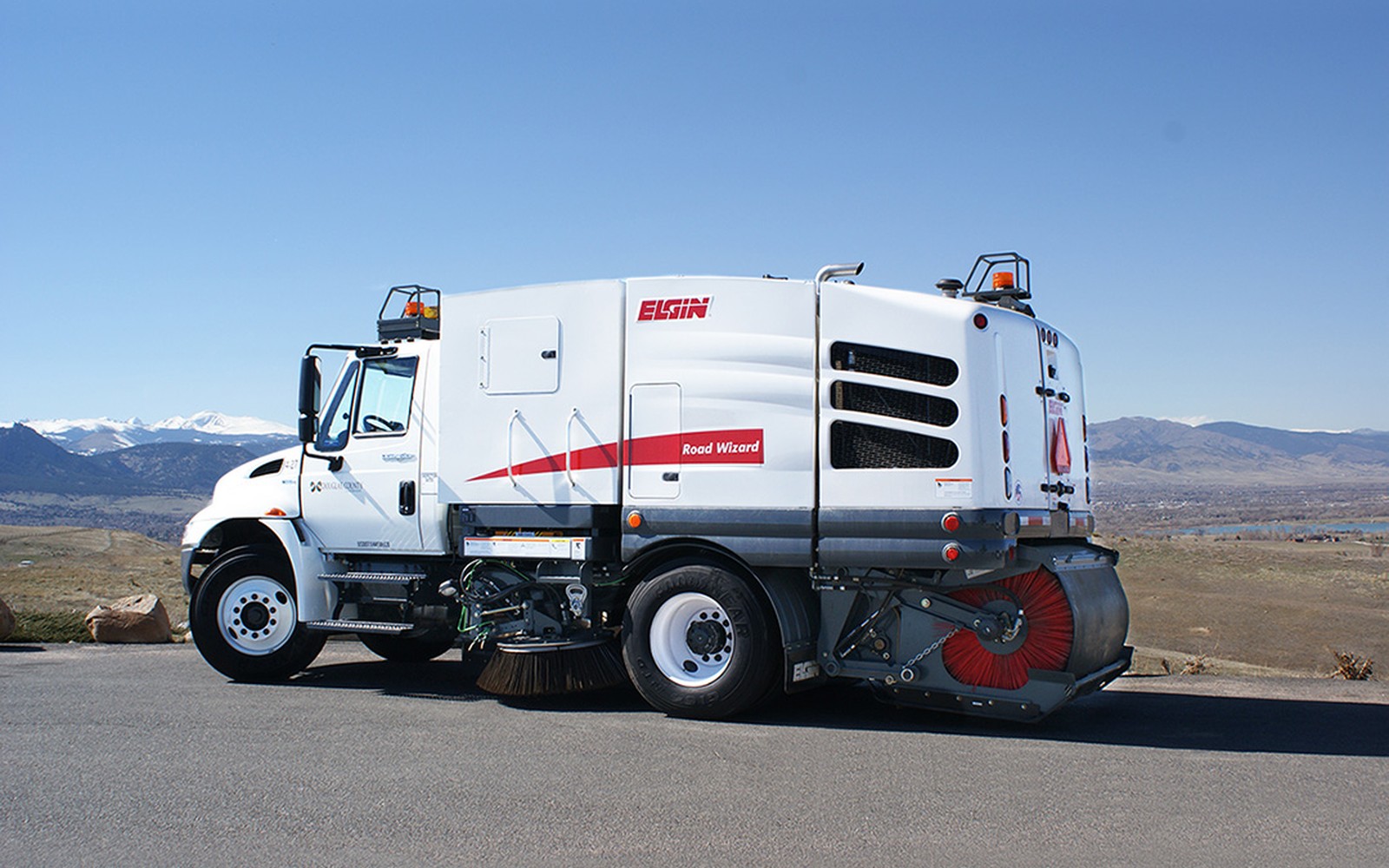
Waterless or dustless sweepers, which qualify under PM-10 certification standards, are often the specified equipment type in construction site SWPPP documents and in air quality management district regulations in areas like Southern California. A waterless dustless sweeper keeps both particulate and water use to a minimum, satisfying dual regulatory concerns in water-scarce regions.
Stormwater management districts and municipal public works departments buying for compliance programs are often using public funds through lease-purchase structures. We handle those transactions as well.
The Clean Water Act's NPDES Phase II rules brought thousands of small municipalities into the MS4 program starting in the early 2000s. The permit cycle runs five years, and with each renewal, regulators can tighten best management practice requirements. Street sweeping frequency and equipment capability are among the measures municipalities must report on annually.
Construction site stormwater permits separately require construction cleanup contractors to implement erosion and sediment controls, which on active pavement areas often means keeping sweeper equipment staged and operational. A construction site sweeper capable of fine sediment capture is standard equipment on larger civil projects in regulated watersheds.
Beyond the regulatory push, property developers and general contractors operating in sensitive watersheds, near coastal estuaries, or in areas under EPA consent decrees face additional scrutiny. Sweeping frequency and machine type end up in project specifications. Winning those contracts sometimes means demonstrating you own compliant equipment, not just that you can rent it on short notice.
The financing argument for stormwater-compliance sweepers is straightforward: the regulatory cost of non-compliance, including permit violations, fines, and corrective action orders, exceeds the cost of the equipment by a wide margin. The sweeper is the cost-effective answer, and the payment is a line item in the compliance budget.
Municipalities and stormwater districts that bought mechanical broom sweepers years ago sometimes face permit renewals that push them toward higher-performing equipment. Upgrading does not always mean scrapping the existing fleet. A sweeper refinance on paid-down equipment can release capital to purchase a compliance-grade machine without requiring full cash outlay for the new unit.
For operators who own older regenerative-air or vacuum units that are paid off, a cash-out refinance converts that equity into working capital or a down payment on upgraded compliance equipment. The machine still earns on the route while the refinance proceeds go toward the next purchase.
Municipal lease-purchase agreements are another structure commonly used for compliance fleet additions. The municipality makes annual payments that can be structured within their fiscal year budget, the title transfers at end of term, and the equipment is on the ground immediately. We handle municipal lease-purchase transactions for stormwater and public works departments.
Permit deadlines do not wait for bank committees. Send us the machine, the price, and three months of bank statements. We finance stormwater-compliance sweepers from $50k, municipal and private operators both, B or C credit included, and we close in a week or two. The regulatory clock is already running.
Equipment questions
Clear answers before the equipment file moves to review.
If the old machine has equity, yes. A cash-out refinance or sale-leaseback on the existing unit can generate funds toward the new purchase. We look at the remaining value of the existing machine and structure accordingly. This works well when the old unit still has serviceable life even if it no longer meets the regulatory spec.
Municipal buyers often qualify for lease-purchase structures that carry favorable terms because of the public credit behind them. Private-rate financing is also available. The documentation requirements differ from commercial financing but the process is straightforward.
The financing itself does not require a machine certification. But if your permit specifies a particular machine type or performance standard, you should verify the equipment meets that spec before purchase. We can finance any eligible machine; matching it to your regulatory requirement is your team's job to confirm.
Yes. Used sweepers in good working condition finance without issue. A compliance program does not require new equipment, only capable equipment. We look at the machine's hours, condition, and asking price. A low-hour used regen-air unit is a common purchase for exactly this reason.
On deals up to approximately $400,000, we can typically approve based on a credit application and three months of bank statements, no full financial statements required. Most single compliance-sweeper purchases fall within that range. The process is faster and simpler than a full commercial loan package.
Keep exploring
Compare adjacent equipment, model, market, and service-area pages.
Equipment desk
Send the machine, seller, hours, and timing. The equipment desk will organize the next step.