Related financing path

Sweeper Types
Finance a PM-10 certified street sweeper for air quality districts, AQMD contracts, and construction SWPPP compliance. Programs start near $50,000 with challenged credit reviewed.
PM-10 certification is not a marketing label. It is a verified performance classification that matters in air quality districts where regulators measure what comes off the pavement and into the air. The South Coast Air Quality Management District in Southern California has been the most rigorous, but PM-10 compliance requirements have spread to other districts as fugitive dust rules tightened. If your contract or permit specifies a certified sweeper, you cannot substitute a standard mechanical broom and call it a day.
We finance PM-10 certified sweepers for contractors, municipalities, and environmental services operators. The machines that carry this certification, primarily high-efficiency regenerative-air and vacuum sweepers with sealed hoppers and tested collection efficiency on fine particulate, sit in a higher price range than general-purpose sweepers. That means larger financing transactions, often landing between $150k and $350k for a certified full-size unit. We handle those deals without blinking. Application-only financing covers most single-unit purchases up to roughly $400,000.
The operators buying these machines are serious about the work. They win contracts specifically because they own certified equipment. Financing that is fast enough to close on a specific machine in a specific dealer's inventory is part of the value we deliver.
PM-10 refers to particulate matter with an aerodynamic diameter of 10 micrometers or less. Particles in that size range stay suspended in air long enough to travel significant distances and enter the respiratory system. State and local air quality agencies regulate fugitive dust emissions from paved surfaces under rules that specify sweeper performance standards.
The certification process, as established by the California Air Resources Board and referenced by multiple state agencies, requires sweepers to demonstrate capture efficiency for fine particulate through controlled testing. CARB's Street Sweeper Dust Emission Test Protocol measures the fine particle mass deposited per unit of swept area and the machine's ability to keep that material contained. Machines that meet the threshold earn a place on the approved sweeper list.
The practical result is that a CARB-listed sweeper is recognized by air quality districts, CalTrans, local public works departments, and construction project specifications as equipment capable of satisfying regulatory requirements. Owning one, rather than renting on demand, is a competitive advantage for sweeping contractors pursuing contracts in air-regulated work zones.
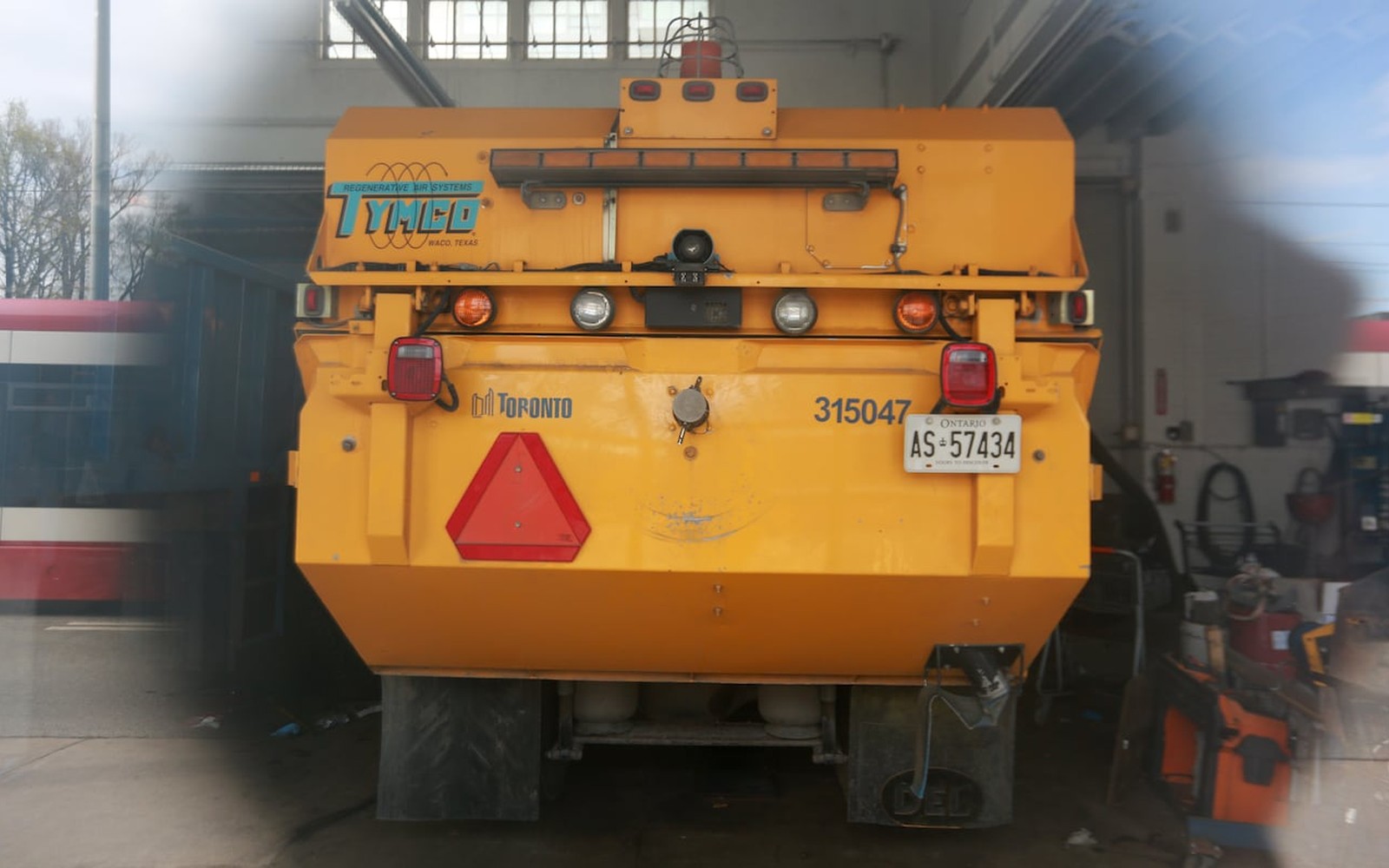
A waterless dustless sweeper represents the highest tier of PM-10 compliance, eliminating both the fugitive dust problem and the water consumption concern simultaneously. In water-constrained regions, this dual capability matters to permit administrators. The TYMCO DST-6, for example, is purpose-built to operate dustlessly without water spray, making it a common specification on sensitive-site projects.
Regenerative-air machines with adequate water suppression systems can also qualify. The Schwarze A7 Tornado and the TYMCO 600 with appropriate configuration appear on approved lists used by California air districts. The specific approved list varies by jurisdiction, so confirming the machine you are buying is on the relevant list before committing is important.
Construction cleanup contractors working in California's South Coast, San Joaquin Valley, or Bay Area air basins regularly face project specifications requiring certified sweeping equipment. A commercial development site, a road rehabilitation project, or a transit construction zone in any of these regions will include SWPPP and fugitive dust plan requirements that list acceptable sweeper types. Contractors who own certified iron can bid those jobs without the cost and availability risk of renting compliance equipment.
Paving and milling contractors operating in air-regulated corridors need certified sweepers as part of the paving train. Milling generates fine silica-containing dust. A PM-10 sweeper running immediately behind the milling machine contains that material before it lifts into the air column.
Municipal street maintenance departments in regulated air basins often have fleet upgrade mandates tied to their air quality permits. Adding a certified unit, or converting an existing route to certified-only sweeping, is a common compliance strategy. The capital purchase of a certified sweeper is sometimes grant-eligible through air district clean-air programs; we work alongside those funding streams when operators are using grant proceeds as a down payment and financing the balance.
Environmental cleanup operators working on contaminated sites, including superfund-adjacent work and industrial site remediation, sometimes face the most restrictive dust specifications. PM-10 certified equipment is often the only acceptable option for sweeping those sites.
The documentation bar for most PM-10 sweeper purchases is the same as for any commercial equipment financing: a completed credit application, three months of bank statements, and information on the machine being purchased. For transactions up to roughly $400,000 that covers the deal, no full financial package required.
Business vintage matters. An established sweeping contractor with two or three years of operating history and consistent deposit activity in their bank account closes faster than a startup. That said, newer businesses with strong revenue and verifiable contracts can still get deals done, often with a slightly larger down payment or co-signer on the deal.
Credit score is a factor but not a hard gate. challenged credit businesses get financed here. We look at the cash flow the bank statements show, the machine's value as collateral, and the overall picture of the business. A sweeping contractor who has managed a route profitably for four years but had a medical event hit their personal credit score two years ago is not the same risk as someone who has never run a successful business.
On deals that require a faster close than the standard one-to-two-week timeline, we can sometimes accelerate when the documentation is complete from day one. Dealer-sold equipment with a clean title and known provenance moves faster than private-party transactions where title research takes time.
PM-10 compliance often sits alongside stormwater compliance as a dual mandate on regulated projects. A machine that satisfies both the air quality and the stormwater pollution prevention requirements is the most efficient purchase. A stormwater-compliance sweeper that is also PM-10 certified covers both regulatory bases from one transaction.
Operators in markets outside the most stringent air districts who still need dustless operation for specific project requirements sometimes look at the pure-vacuum sweeper as an alternative to a fully certified unit. Pure-vacuum machines capture fine material effectively and operate with minimal dust disturbance, though formal CARB certification is a specific and documented standard that not all vacuum machines meet.
Financing structures for PM-10 certified sweepers include purchase loans, TRAC leases for operators who prefer to keep the machine off the balance sheet, and the Section 179 deduction route for tax year optimization. Certified machines used in business often qualify for the full Section 179 write-off in the year of purchase, which can reduce the effective cost of the machine significantly depending on the operator's tax situation.
The contract is waiting on the equipment. Send us the machine specs, the dealer or seller, the price, and three months of bank statements. We finance PM-10 certified sweepers from $50k, B or C credit included, and most deals close inside two weeks. You keep the contract. We handle the paper.
Equipment questions
Clear answers before the equipment file moves to review.
The machine's certification is based on its design and model, not on individual unit registration in most cases. A used TYMCO 600 or Schwarze A7 that appears on the relevant approved sweeper list retains that standing regardless of ownership history, as long as the machine is in proper operating condition. Confirm with the specific air district that their approved list covers the machine's model year and configuration.
CARB maintains a published list of verified street sweepers. You can check the machine model and year against that list before committing to the purchase. We can finance any machine on the list. If you are unsure whether a specific unit qualifies, ask the manufacturer or dealer for documentation of its CARB listing status.
Yes. Air district clean-air grant programs, including Carl Moyer in California, sometimes fund a portion of certified sweeper purchases. We can structure financing for the balance after the grant award. The timing needs coordination since grant disbursement schedules vary.
Owning a paid-down certified machine helps the overall profile. It demonstrates you operate in the compliance market and have an asset base. A sale-leaseback on the existing unit is another option if you want to pull equity from the first machine to fund the second.
No inherent penalty, but the tax treatment differs. A loan lets you take the Section 179 deduction since you own the machine. A lease may or may not allow it depending on the structure. TRAC leases on trucks are common for certified sweeper financing and have their own tax treatment. Talk to your accountant about which structure optimizes your situation before you choose.
Keep exploring
Compare adjacent equipment, model, market, and service-area pages.
Equipment desk
Send the machine, seller, hours, and timing. The equipment desk will organize the next step.