Related financing path

Sweeper Types
Finance three-wheel mechanical sweepers for parking lots, commercial properties, and light municipal routes. entry ticket starts near $50,000, challenged credit reviewed, funding paced to the completed file.
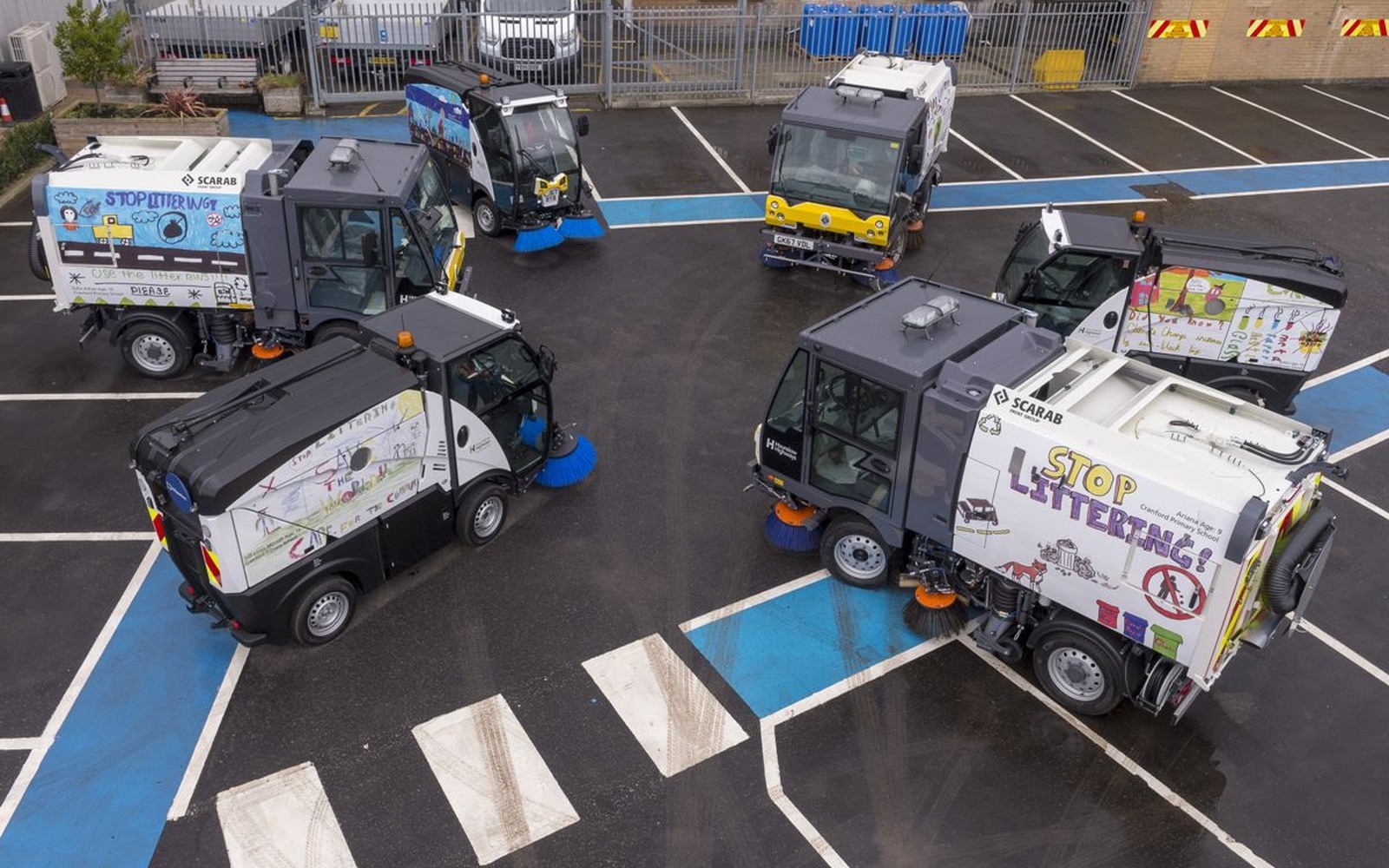
Turn radius is the whole game on a parking-lot circuit. A three-wheel mechanical sweeper earns its keep by being able to spin tight in a drive aisle, reverse into a corner pocket, and never need a second pass because it missed a section on the first approach. That is a different performance profile from a four-wheel truck-mounted unit that sweeps faster in an open straight line but pays for it with a wider turning arc. The three-wheel layout, with two powered rear wheels and a single steerable front wheel, produces the tightest turning radius in the mechanical sweeper segment. For dense commercial property accounts with lots of tight turns and median islands, nothing beats it.
Three-wheel mechanical sweepers are a smaller footprint machine than their four-wheel siblings. Most run on a purpose-built compact chassis from the sweeper manufacturer rather than a commercial cab-chassis, which keeps the machine maneuverable and relatively lightweight compared to truck-mounted alternatives. The Nite-Hawk Osprey, Victory VT1, and TYMCO 210 are among the models commonly found on parking-lot routes. Price on a new three-wheel mechanical unit runs $85,000 to $160,000 depending on hopper size and configuration. Used machines in good order come in around $40,000 to $90,000.
We finance three-wheel mechanical sweepers from $50,000, which covers new units and solid used machines in the commercial segment. Parking-lot sweeper financing at this scale is application-only below $400,000, meaning three months of bank statements and no audited financials. funding paced to the completed file. challenged credit can still be reviewed.
The single front wheel configuration is the defining mechanical feature. With a single steerable wheel at the front and driven wheels at the rear, a three-wheel sweeper can execute a zero-point turn radius limited only by the machine's physical width. Where a four-wheel machine needs to swing wide on a turn, the three-wheel unit pivots nearly in place. That difference matters on tight lot designs, multi-island parking layouts, and dead-end drive aisles common in retail shopping centers.
The mechanical broom system on a three-wheel machine functions the same as on larger units: two gutter brooms work material in from the curb and islands, and the main broom sweeps debris rearward into the hopper. Hopper capacity on three-wheel machines is smaller than on truck-mounted units, typically 1.5 to 3 cubic yards, which requires more frequent dumps on high-volume lots. Operators who run this type of machine learn their dump cycle quickly and plan routes around it. For lighter-debris commercial lots, hopper capacity is rarely a constraint within a single account visit.
Operating speed is another three-wheel characteristic worth knowing. These machines are designed for parking-lot work at low travel speeds, typically five to twelve miles per hour during sweeping. They are not highway-legal in most configurations and are trailered to accounts rather than driven on public roads between sites. That changes the contractor's logistics: you need a trailer and a truck to move a three-wheel sweeper between accounts, which adds cost. Trailer-mounted sweeper transport setups are a common pairing with these machines.
The case for new is straightforward: warranty coverage, known maintenance history, and the latest operator cab features on units with cab enclosures. For a contractor who uses the machine seven nights a week year-round, a new unit with zero hours means no deferred maintenance surprises in the first two years and predictable broom replacement intervals. New three-wheel units are also eligible for Section 179 expensing or bonus depreciation in the purchase year, which can reduce the effective first-year tax cost of the acquisition significantly. The Section 179 deduction is worth discussing with your tax advisor if the timing of the purchase lines up with a year where you need to shelter income.
The case for used is price. A three-wheel mechanical sweeper with three to five years on it and a documented service history can run just as effectively as a new unit for another five to seven years if the main broom system, gutter broom arms, and hopper are in good condition. Used machines at $40,000 to $70,000 reduce your monthly financing cost and your total interest paid over the term. The risk is in the inspection: broom shaft wear, hydraulic cylinder leaks on the gutter broom arms, and hopper corrosion are the items to check before buying. We finance used three-wheel sweepers, including private-party sales. Used sweeper financing follows the same application-only process as new.
The buyer profile for three-wheel mechanical sweepers skews toward parking-lot-focused contractors and solo operators who have built a book of commercial accounts. A contractor running five to fifteen accounts per night who bought their first machine used and is now buying a second or third unit is the core customer for this equipment. Revenue from parking-lot sweeping is highly predictable once you have the accounts signed, and that predictability is what lenders see in the bank statements when they underwrite the deal.
We have also financed three-wheel mechanical sweepers for retail and shopping-center operators who self-perform their sweeping rather than contracting it out. A shopping center management company running six to ten properties within a metro area can put a three-wheel sweeper on a trailer, move it between properties on a nightly rotation, and bring sweeping in-house for less than the annual contractor bill. The break-even calculation usually favors self-performance when the property count hits three or four locations in close proximity.
Solo operators who are building a sweeping business from the ground up sometimes start with a three-wheel unit because the entry price is lower than a truck-mounted machine. Startup financing is harder but not impossible; we have startup sweeping company financing options for operators with less than two years in business who have a signed account or contract in hand.
Parking-lot sweeping money moves fast when the deal is simple. Tell us the machine, the price, and what you have for bank statements. We review and respond quickly, and most clean files fund inside two weeks. Three-wheel, four-wheel, new or used, we have financed all of it.
Equipment questions
Clear answers before the equipment file moves to review.
Yes. A trailer purchased alongside the sweeper can often be included in the same financing package if it is part of the same vendor transaction. If the trailer is a separate purchase from a different seller, we may need to structure two separate deals or include it on a blanket equipment line. Tell us what you are buying and we will figure out the cleanest structure.
Most equipment financing commitments remain open for 30 to 45 days after approval. We can issue an approval before the purchase is finalized so you have the commitment in hand when you are ready to close. Document the hold agreement with the dealer and send it to us.
Sole proprietors qualify for equipment financing the same as LLCs and S-corps. We will look at business bank statements, and the personal credit of the owner is part of the credit review. If you are operating as a sole prop, make sure your business accounts are separate from your personal accounts so the statements show business cash flow clearly.
Call us before you miss a payment, not after. Most lenders have short-term hardship options including a payment deferral of one to three months for established borrowers who hit an unexpected downtime event. Proactive communication is always better than a missed payment showing up on the ledger.
Keep exploring
Compare adjacent equipment, model, market, and service-area pages.
Equipment desk
Send the machine, seller, hours, and timing. The equipment desk will organize the next step.