Related financing path

Industries
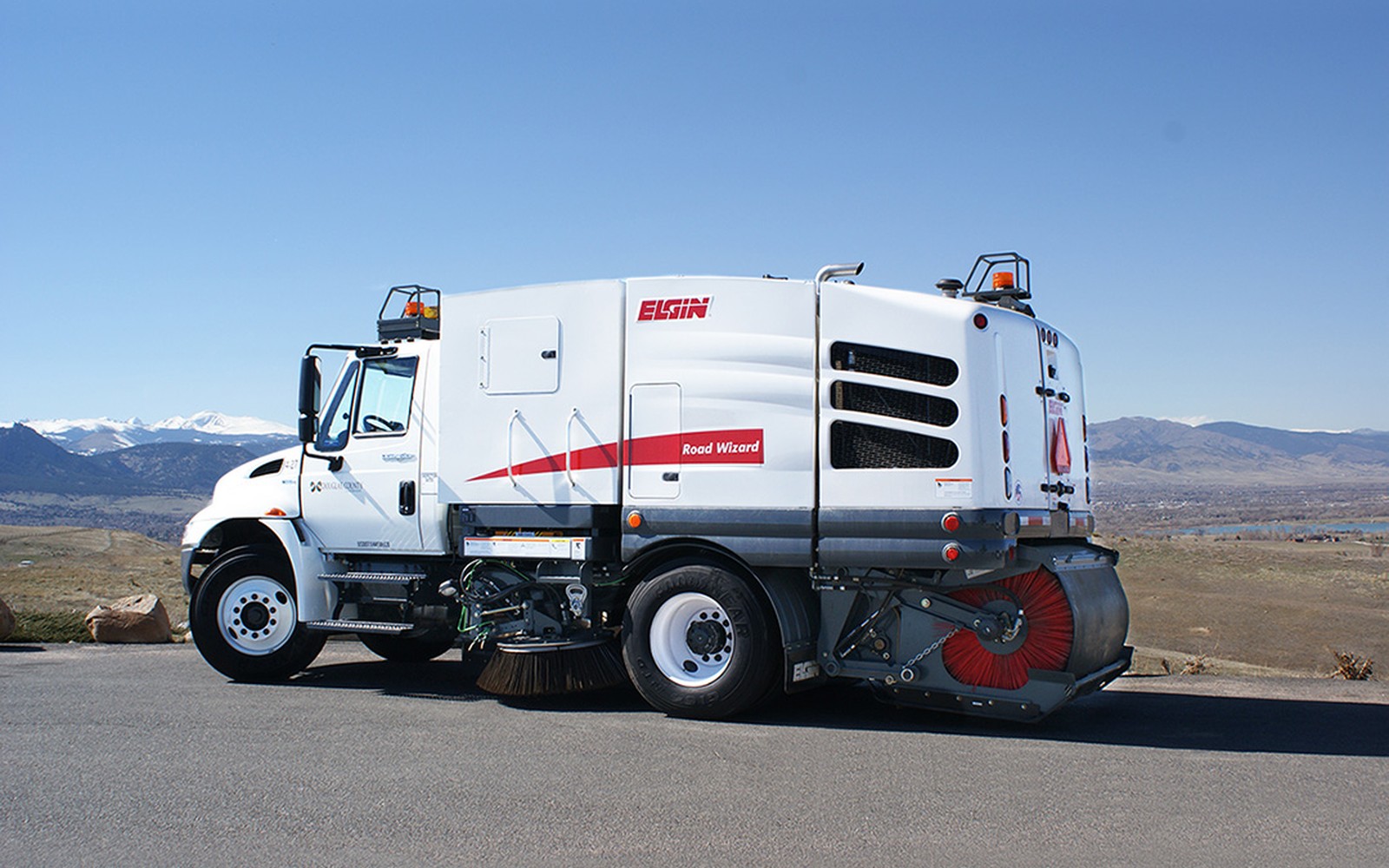
Paving and milling contractors get flexible financing for pickup sweepers, milling brooms, and dust control units. challenged credit reviewed. Funded in a practical closing window.
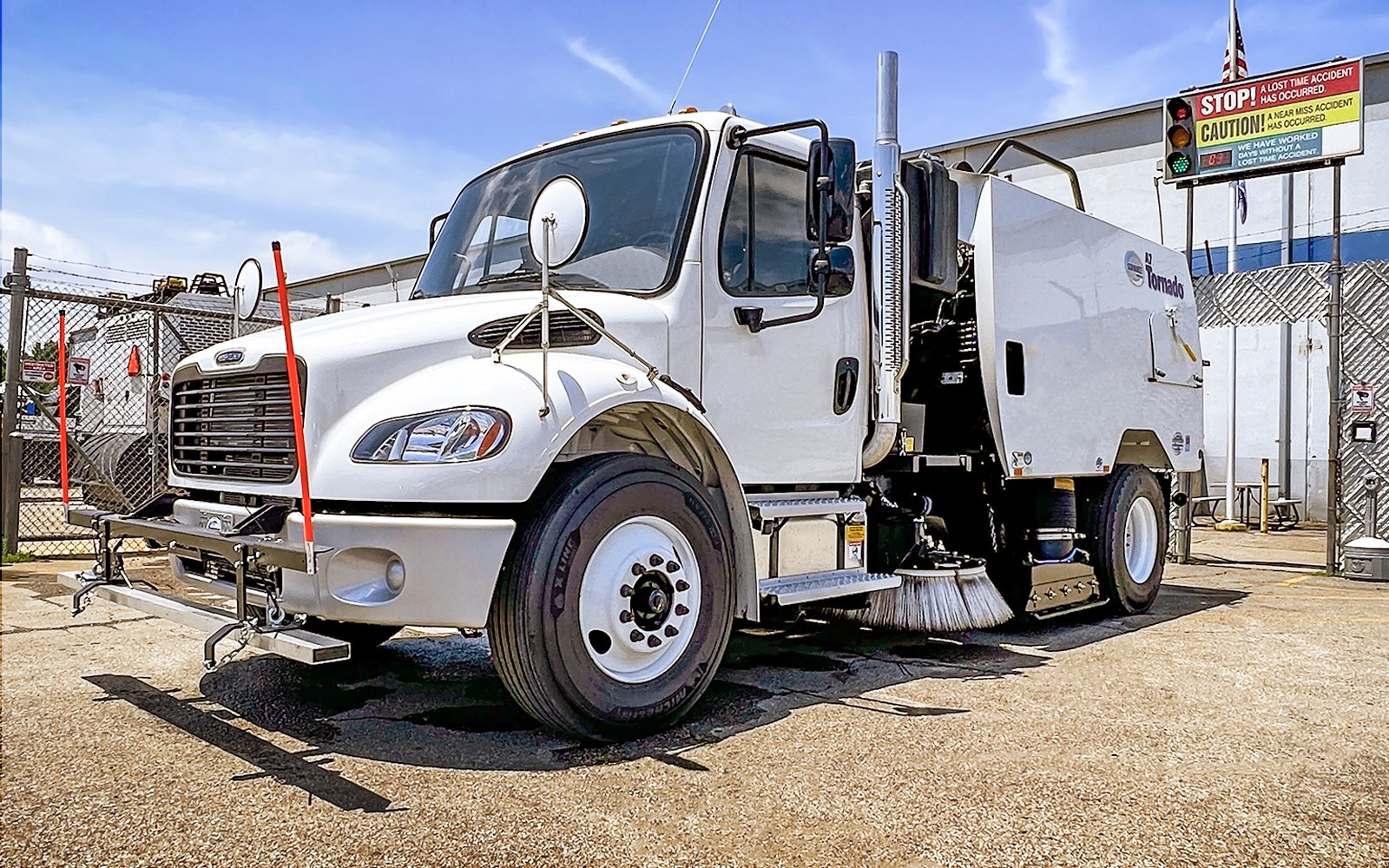
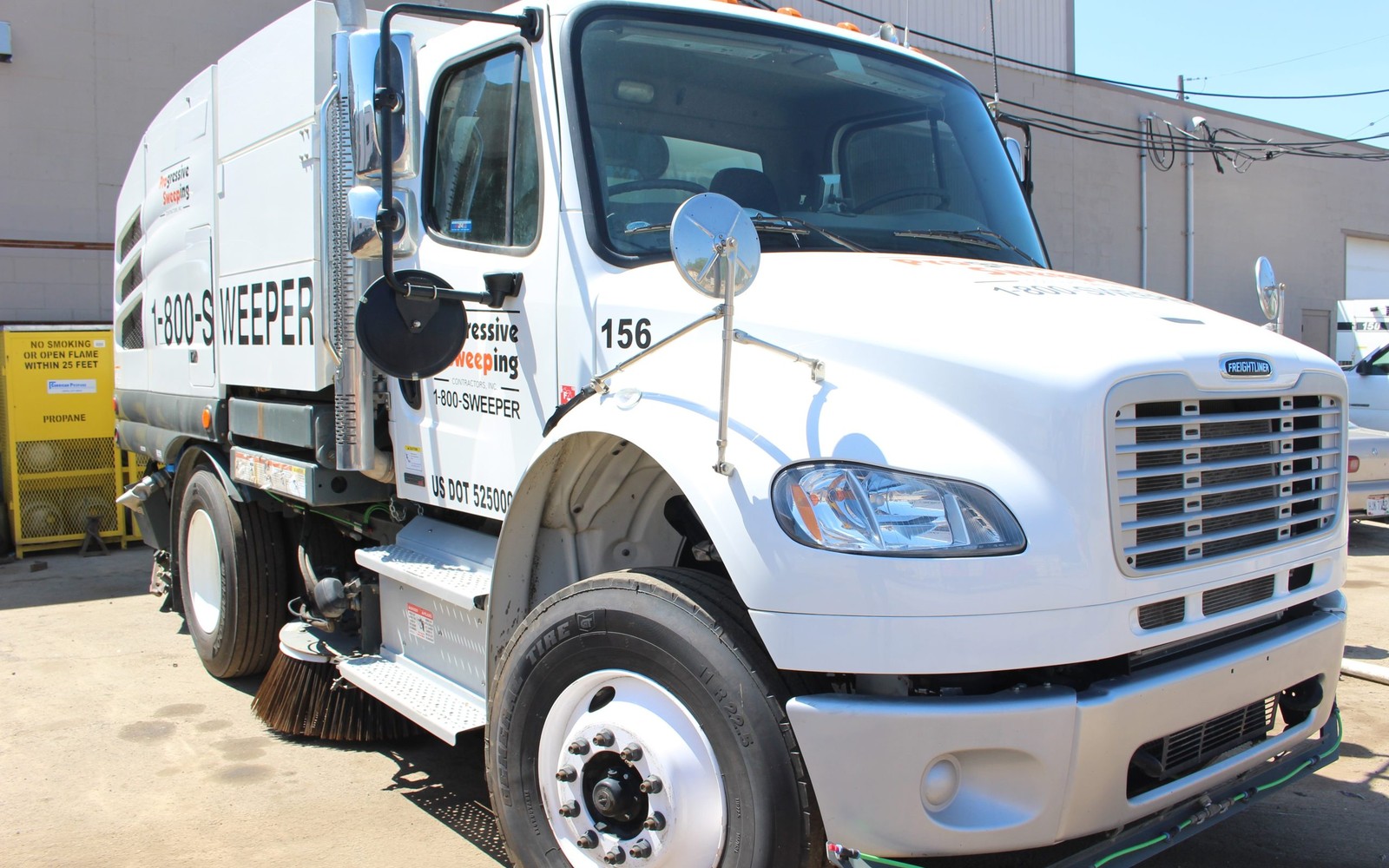
Milling comes first. The drum goes down, the cutter teeth tear the old surface, and the conveyor throws the millings into the truck running alongside. Right behind the mill, before the tack truck and the paver move in, the pickup sweeper makes its pass. That sequence is how quality paving contractors run their work, because a contaminated surface between milling and tack coat means a bond failure that shows up two or three years later as delamination. The sweeper is not the glamour equipment on a paving job. It does not earn its own line item in most bid packages. But leave it out of the sequence and the pavement engineer will notice at the next inspection cycle.
Paving and milling contractors who own their sweeping equipment run tighter, more self-sufficient crews. Renting a sweep unit for every job adds cost and scheduling risk. When the rental yard does not have the machine available the morning you need it, the milling train sits, the paving crew waits, and the daily production cost climbs while nothing moves. Owning a milling pickup sweeper eliminates that variable from the bid.
We finance paving and milling contractors for sweeping equipment from $50,000 up. The process is the same whether you are adding a pickup unit to an existing paving fleet or replacing an aging machine that has too many hours for the hours it is running. New iron, used iron, and demo units all qualify, and challenged credit does not stop the application from moving forward.
The pickup sweeper used in a milling application has to handle volume and pace that a standard parking-lot or municipal street sweeper is not built for. Milling machine production on a lane-mile rehabilitation project can run several lane miles per day on a good crew with matched equipment. The sweeper behind the mill has to keep up, which means high hopper capacity, efficient dump cycles (either high-dump into the haul truck alongside or quick stop-and-dump into a waiting truck), and enough mechanical robustness to run continuously through a full shift.
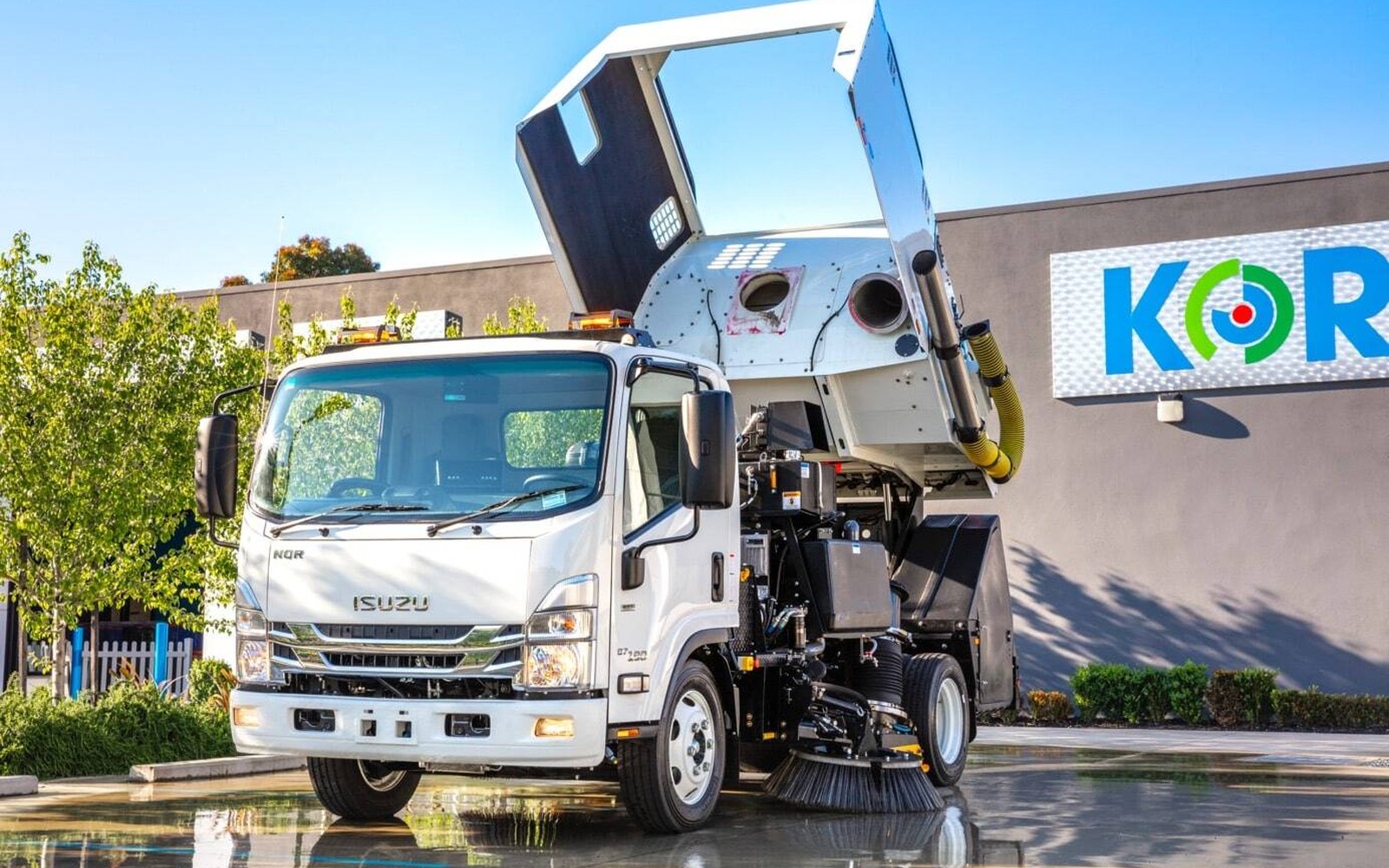
A high-dump sweeper that can transfer millings directly into the dump truck bed without stopping the train is the preferred configuration for production-oriented milling operations. It reduces the dead time in the sweeping cycle and keeps the haul sequence tighter. Units with hopper capacities of five cubic yards or more are standard on heavy production milling jobs.
For pavement surface prep outside of milling, specifically for chip seal, microseal, and surface treatment work, a different sweep spec applies. Surface treatment preparation requires a clean aggregate surface free of dust and contamination, which a regenerative-air sweeper handles more effectively than a mechanical broom unit. Some contractors maintain both types: a mechanical or pickup unit for milling phase work and a regen-air unit for surface prep and cleanup.
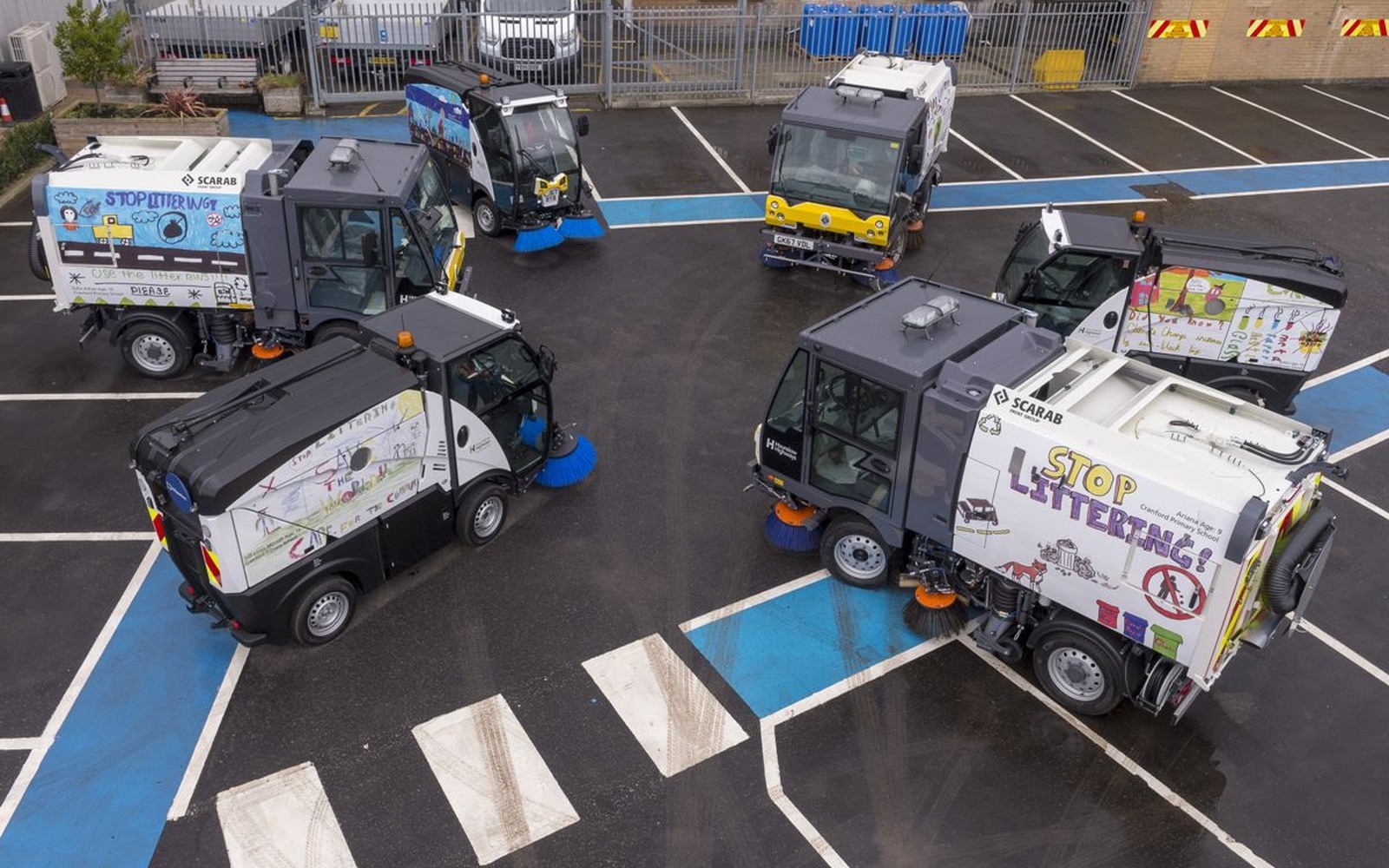
For bridge deck work, an alley configuration or a compact unit may be required to work within lane closure limitations. A compact street sweeper that fits in a narrower footprint can be the right tool for deck prep sweeping in a tight lane closure on a bridge structure.
Paving and milling contractors tend to be sophisticated equipment buyers. Most already carry financing on pavers, rollers, milling machines, and support equipment through dealer finance programs or commercial banks. Adding a sweeper to the fleet through us is a straightforward addition that does not require restructuring the existing debt picture.
Standard terms for a new pickup sweeper landing between $150k and $250k run four to six years depending on the equipment age, credit profile, and lender. Monthly payments on a $175,000 unit over five years vary by rate and structure, but the breakeven against daily rental rates is typically reached within the first season or two of regular use on production milling work. We can run that comparison for you if it helps the capital-allocation conversation internally.
For contractors who prefer to keep the payment off the balance sheet, a fair-market-value lease keeps the equipment off the books as a liability in some accounting treatments. A TRAC lease is available for contractors who want a lower monthly payment, a defined residual at the end of the term, and the option to buy the unit at the residual or return it. These structures give fleet managers flexibility in the eventual disposition of the equipment as it reaches the end of its primary service life.
Paving contractors who have run a pickup sweeper for several years and paid down the original financing may have equity in the unit that is sitting idle. A sale-leaseback converts that equity to cash without taking the machine out of service. You sell the unit to the lender at its current market value, the lender leases it back to you, and you continue running it on the same jobs while the cash from the sale goes into working capital, a project bid bond, or the down payment on another piece of equipment.
Cash-out refinancing works similarly: if the market value of your current sweeper exceeds the payoff on the existing loan, we can refinance for more than the payoff, put the difference in your account, and restructure the payment on the new balance. It is a tool that makes sense when rates have shifted and when the equipment has appreciated relative to its outstanding debt, which can happen with sought-after models that hold value well.
The milling machine is already moving down the lane. The pickup unit has to be behind it. Finance your sweep unit before the season starts: $50,000 minimum, new and used, application to funding paced to the completed file.
Equipment questions
Clear answers before the equipment file moves to review.
Seasonal deferred payment programs are available through some of our lender partners. If your paving season runs roughly April through October, we can look for a structure that defers or reduces payments in the winter months. It depends on the deal size and your credit profile, but it is worth asking about. Flag the seasonal revenue pattern when you apply and we will match you with lenders who offer that structure.
Yes. The specific configuration of the unit does not affect eligibility. High-dump, rear-dump, or side-discharge configurations are all funded the same way. We need the purchase agreement showing the specific unit and its specs. The lender will appraise the unit and structure around its value.
Adding a separate financing agreement with us does not affect your existing dealer financing directly. It does increase your total debt load, which factors into future credit applications, but the addition of one equipment loan typically does not trigger a review or change in terms on existing facilities. If you have concerns about debt ratios or lender covenants, check with your existing lenders, but this is not usually an issue for equipment-specific financing.
Private-party purchases from another business are handled regularly. We need the seller's information, confirmation of lien status on the unit, and a purchase agreement. If there is an outstanding lien from the seller's existing financing, we can structure a lien payoff into the deal in some cases. Age and hours on the machine will factor into the term we can offer.
Yes. Multi-unit sale-leasebacks are available for contractors who have a fleet of paid-off machines with equity. We structure this as a single agreement covering both units, evaluate the combined market value, and set up the leaseback payments on the portfolio. The total cash you receive is based on the combined appraised value of the machines, minus any applicable fees.
Keep exploring
Compare adjacent equipment, model, market, and service-area pages.
Equipment desk
Send the machine, seller, hours, and timing. The equipment desk will organize the next step.