Related financing path

Industries
Road construction companies finance milling sweepers, dust control units, and construction-phase sweepers. Fast approvals, challenged credit reviewed, minimum ticket starts near $50,000.
A road job does not end with the last lift of asphalt. The sweeper has to go down the fresh mat before the rollers, again after milling operations to clear aggregate from the surface ahead of tack application, and again at project closeout before traffic control comes down and the lane is reopened. Sweeping is woven into every phase of road construction, and a company that bids road work without accounting for the sweeping requirement is bidding with a gap in the plan.
Road construction companies that own their own sweepers rather than renting or subcontracting every job have a significant cost and scheduling advantage. You know the machine is available when the paving crew needs it. You are not calling a rental yard at 6 a.m. to confirm delivery, and you are not paying daily rental rates on top of operator costs for the duration of the job. The math on owning versus renting usually turns at the second or third project where the machine is in steady use.
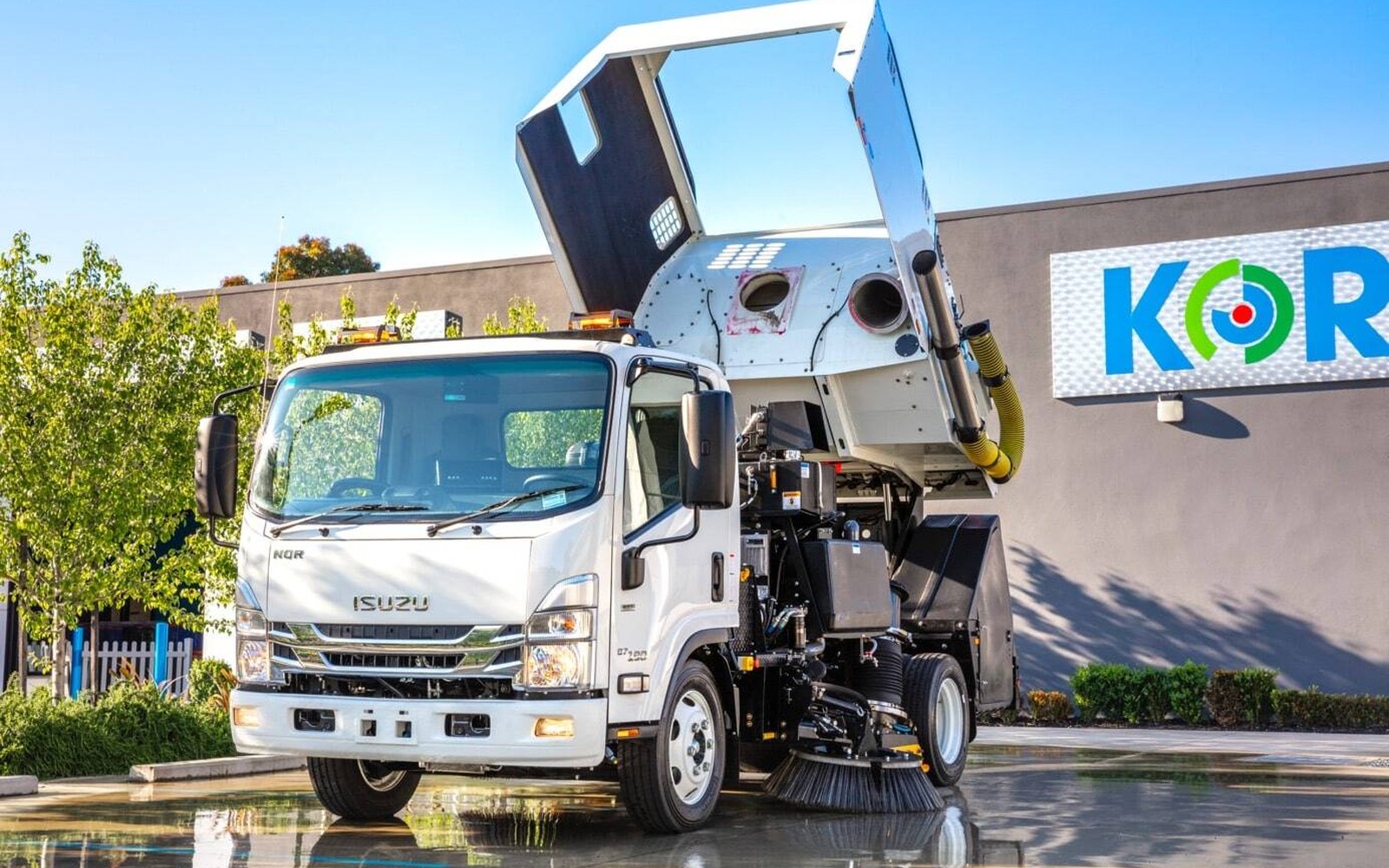
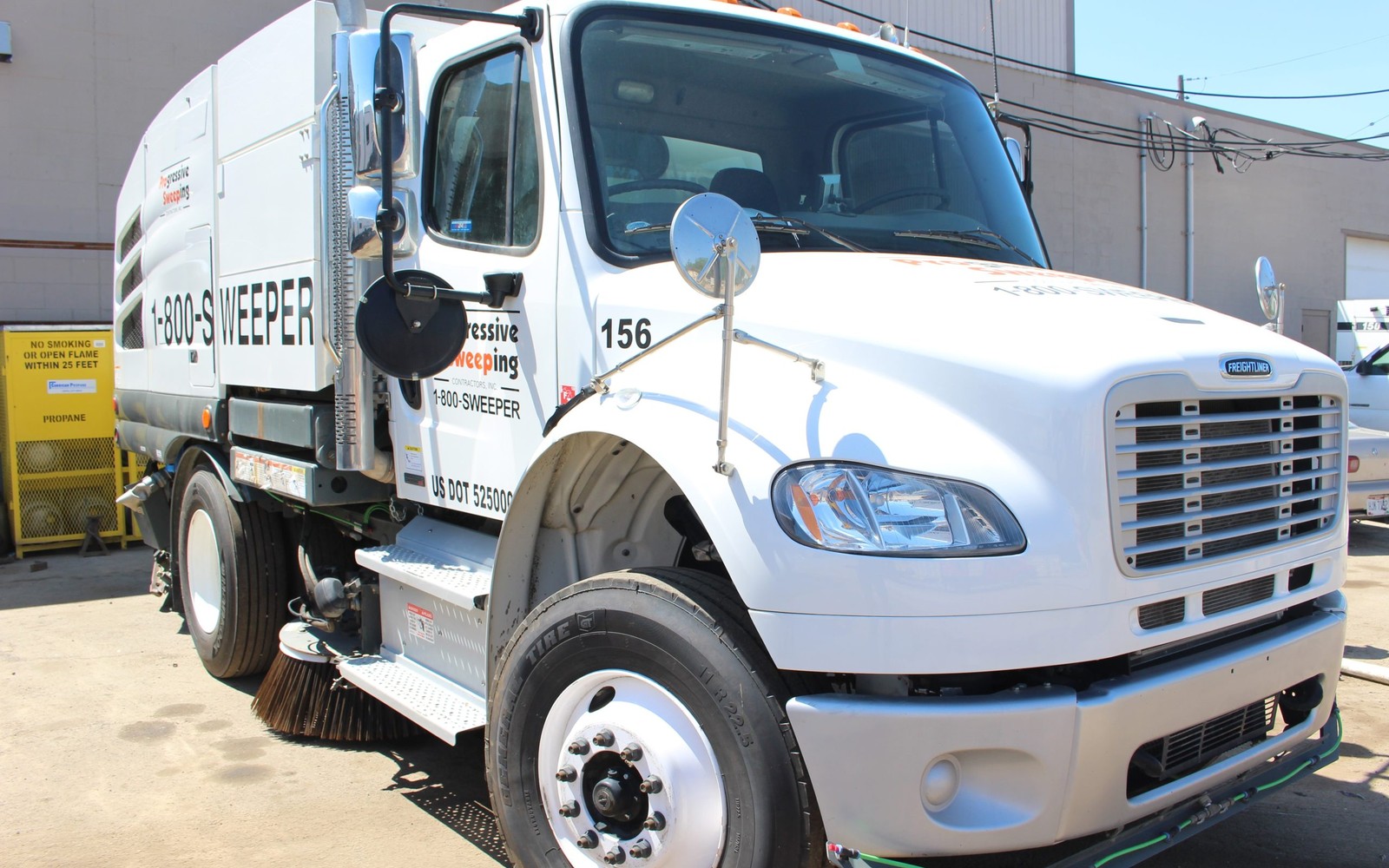
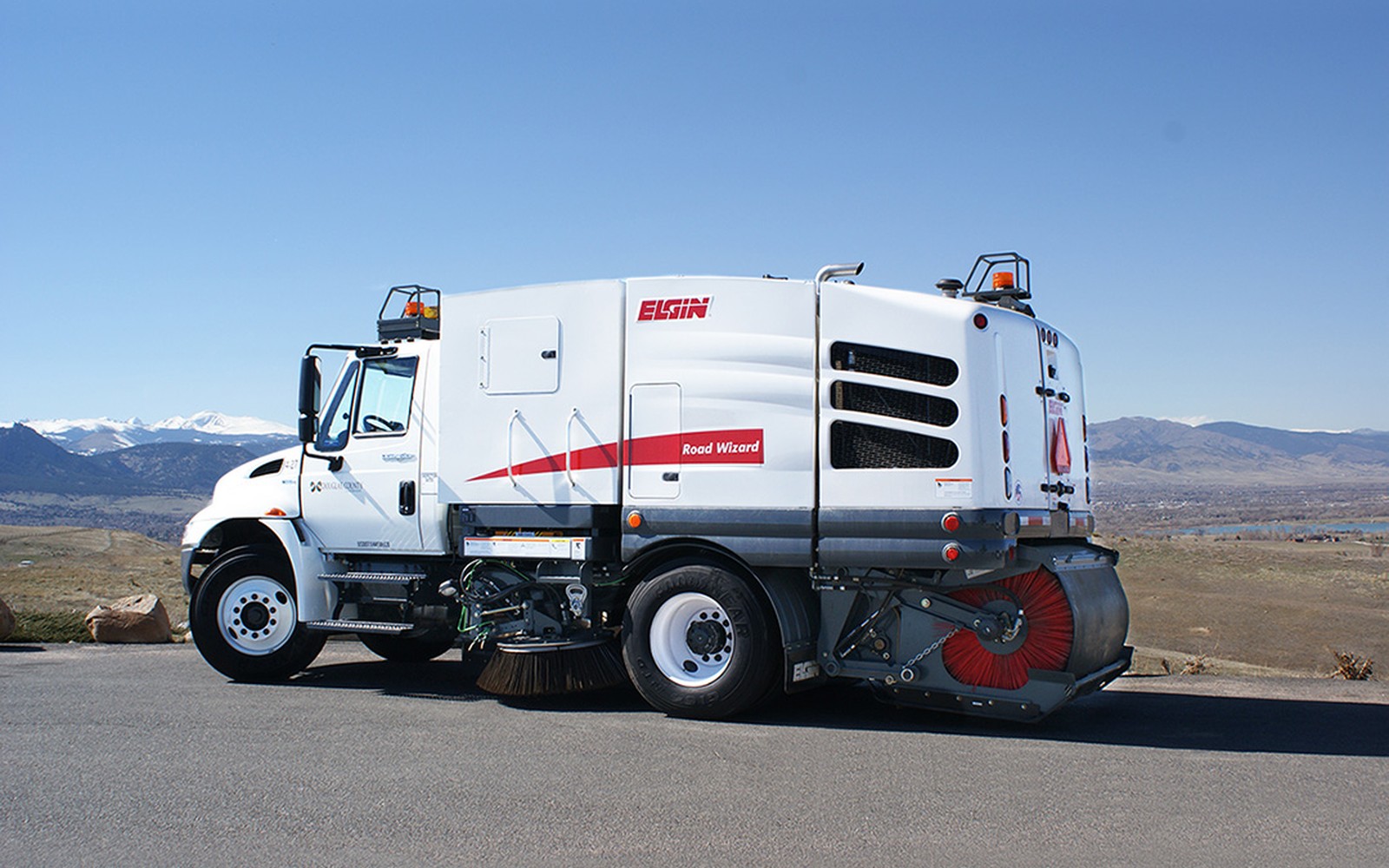
We finance road construction companies from $50,000 and up, new and used, for any sweeping equipment that belongs in the fleet: milling and pickup sweepers, mechanical broom units for post-pave cleanup, dust control machines for aggregate haul roads, and specialty units for bridge deck and drainage structure work. The same company that finances heavy iron for paving and milling can finance the supporting sweeper fleet through us in one conversation.
Milling and pickup sweepers are the critical machine in a road rehabilitation workflow. After a milling machine removes the existing surface, the milled aggregate and fine material has to be cleared before tack coat can be applied. A pickup sweeper running behind the milling train sweeps the milled surface clean, loads the material into a dump truck for haul-off, and keeps the paving train from running over debris that would compromise the bond between the tack coat and the new lift. This is not incidental work. Poor sweeping between milling and paving is one of the primary causes of premature delamination on overlay projects.
The pickup sweeper in a road construction application is different from a standard street sweeper. It is typically a larger, higher-capacity unit with a more powerful main broom and a larger hopper, designed to handle the volume of milled material on a lane-mile-per-day production schedule. Some units are purpose-built for this work; others are heavy-duty regenerative-air or mechanical broom units adapted for pickup sweeping applications.
Beyond the milling phase, road construction companies need sweeping capacity for: pre-pave surface prep on microsurfacing and chip seal work (where a clean, debris-free surface is critical to chip retention); pre-striping cleanup on both new construction and maintenance striping jobs; and haul-road dust control on aggregates-intensive projects where silica dust exposure is a regulatory concern. A waterless dustless sweeper may be required on projects near sensitive receptors or under dust control permits.
Road construction revenue is project-driven and often front-loaded with mobilization payments, with progress billing and retainage release cycles that create natural cash-flow variability. A company doing $8 million in annual paving work does not have $8 million sitting in the bank evenly distributed across twelve months. The cash is lumpy, predictable over the year, but uneven month to month.
We underwrite road contractors looking at the six- and twelve-month revenue picture from bank statements rather than demanding that every month look identical. Three months of statements showing the overall pattern, average daily balances, and payroll structure gives us what we need to structure the deal. For application-only financing up to $400,000, we do not require tax returns. For larger fleet purchases, a fuller documentation picture may be needed, but we work with each company individually rather than applying a one-size formula.
Seasonal deferred payment structures are available for contractors in markets with a defined paving season. A northern contractor who does the majority of work from April through November may benefit from a seasonal deferred payment structure that reduces or defers payments during the winter off-season and steps up during peak paving months. Not every lender in our network offers this, but we can tell you upfront whether it is available for your deal.
Refinancing existing sweeper debt into a lower payment or pulling equity via cash-out refinance from a paid-off unit is also available. If you are carrying a sweeper on old paper at a rate that looks expensive relative to current market, it is worth running the numbers on a refi.
Road construction companies typically run complex, multi-machine fleets: pavers, rollers, milling machines, dump trucks, water trucks for dust control and compaction, and material transfer equipment. The sweeper is one asset class among many, and the financing structure for the sweeping equipment should coordinate with the rest of the fleet picture.
If you are replacing multiple pieces of equipment in the same fiscal year, there may be tax advantages to structuring the acquisitions through a Section 179 deduction or bonus depreciation financing. The deduction allows businesses to expense qualified equipment in the year of purchase rather than depreciating over several years, which can materially reduce the tax cost of an equipment investment. We are not tax advisors, but we can discuss how the financing structure interacts with depreciation treatment and refer you to a CPA who works with contractors.
Sale-leaseback is available if you have a fleet of sweepers with equity in them and need working capital for a bid bond, a new project mobilization, or fleet expansion without adding total debt. You keep running the machines, we structure the buy-back payment, and the equity comes to you as cash.
The milling crew does not wait for the sweeper to arrive. Finance your pickup and cleanup sweeper before the job mobilizes. Application to funding paced to the completed file, $50,000 minimum, challenged credit can still be reviewed.
Equipment questions
Clear answers before the equipment file moves to review.
We specialize in sweeper financing specifically, so our deals are focused on sweeping equipment. For paving, milling, and other heavy construction equipment, there are specialty lenders who focus on those asset classes. That said, if you are buying a sweeper alongside other equipment, we can close the sweeper deal on our end and you can handle the heavy iron with a construction-focused lender simultaneously. We do not slow you down.
Yes. PM-10 certified machines are among the most common units we finance for government and infrastructure work. The compliance specification on the job is actually an asset when it comes to financing because it demonstrates that the machine is required for contracted work and will have immediate utilization. Tell us the machine you need and the project timeline and we will structure accordingly.
Seasonal payment structures are available through some of our lender partners. This typically means lower or deferred payments during the off-season months and standard or step-up payments during the paving season. Not every deal qualifies, and the terms depend on the lender, deal size, and your credit profile, but it is worth asking about when you apply. Flag it upfront and we will shop the deal to lenders who offer that structure.
The equity in your existing sweeper does not typically serve as cross-collateral in our financing structure. Each deal is underwritten based on the equipment being purchased and the business's ability to service the payment. What your existing unit does do is strengthen the overall picture: it shows that you have been operating equipment long enough to have built equity, which is a positive indicator in underwriting.
A pre-approval or conditional approval letter is something we can provide once we receive and evaluate your application. This tells you the deal size and structure we are prepared to offer, which you can factor into your bid. The final funding is contingent on a purchase agreement and the specific equipment, but knowing the payment structure before the bid goes in is useful for both pricing and cash-flow planning.
Keep exploring
Compare adjacent equipment, model, market, and service-area pages.
Equipment desk
Send the machine, seller, hours, and timing. The equipment desk will organize the next step.