Related financing path

Sweeper Types
Finance airport runway sweepers for FOD control, rubber removal, and pavement maintenance at airports. entry ticket starts near $50,000, challenged credit reviewed, funding paced to the completed file.
Foreign object debris on an active runway is not a maintenance issue. It is a flight-safety issue. A bolt, a piece of cargo packaging, or a loose runway edge light lens can destroy a jet engine on rotation or puncture a tire during the takeoff roll. FOD control on an airport runway surface is required, documented, and taken seriously in ways that no other sweeping environment demands. The equipment that does the job has to perform to a standard that goes beyond what municipal street sweeping requires, and the financing for it has to keep pace with airport capital cycles that operate on procurement timelines unlike anything in the contractor market.
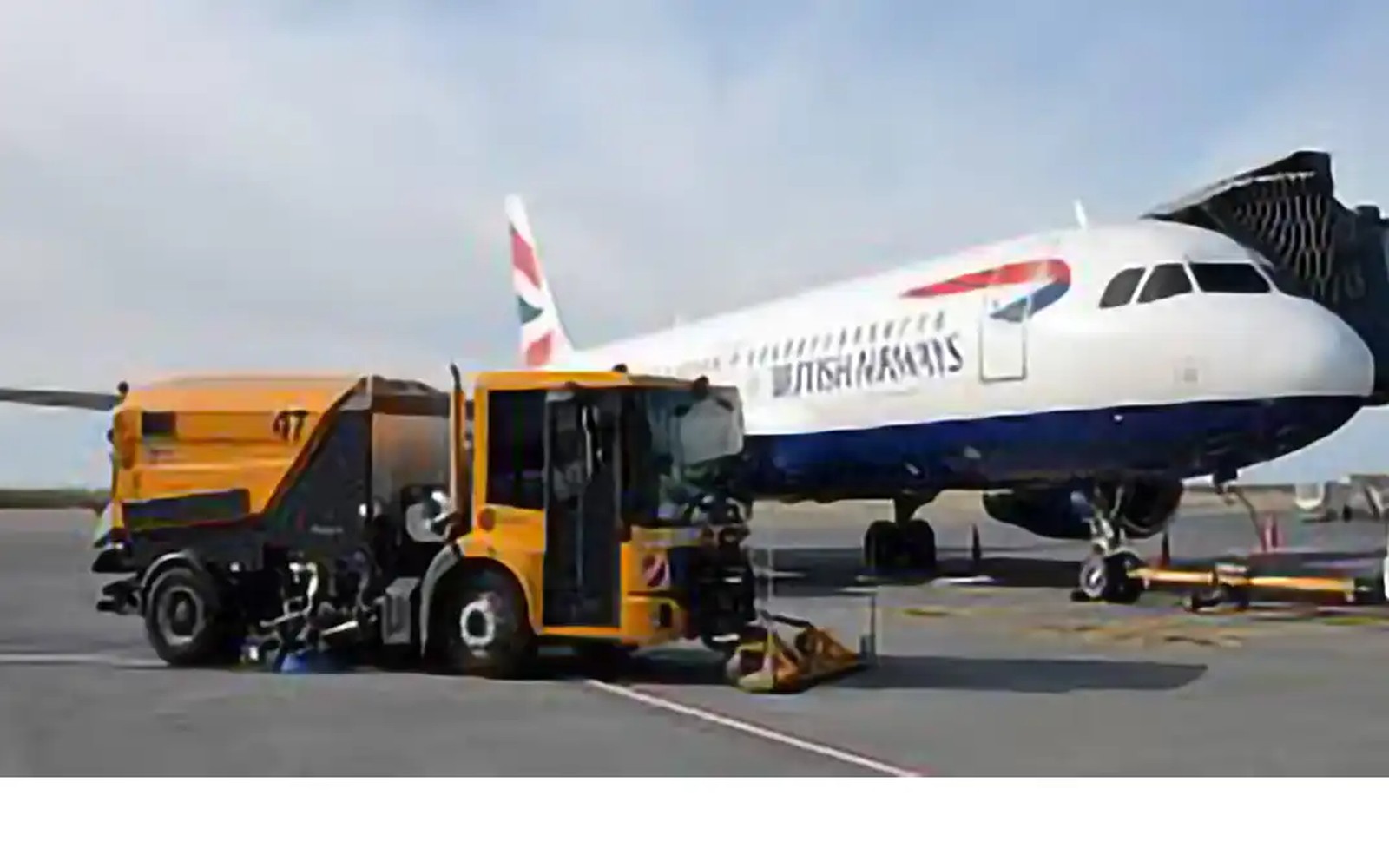
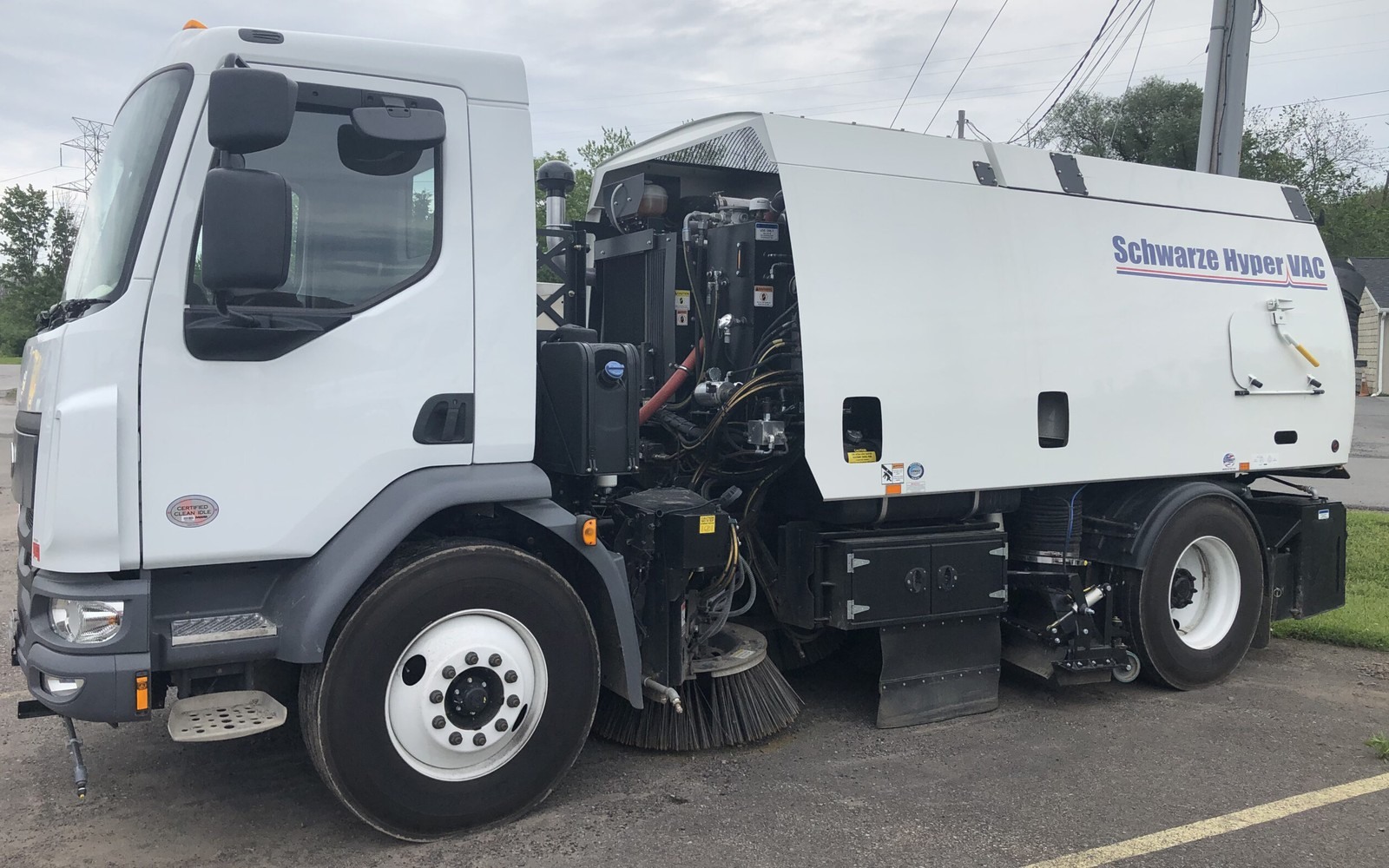
Runway sweepers are specialized versions of high-efficiency vacuum and mechanical sweeper technology adapted for airfield pavement. They operate on runway surfaces, taxiways, and ramp areas where aircraft movement requires absolute surface cleanliness to FAA safety standards. Equipment used in this space includes purpose-built FOD control vehicles from manufacturers like Schwarze and others who produce airfield-specific configurations, as well as high-efficiency vacuum sweepers certified for runway surface work. Pricing varies widely depending on configuration and procurement vehicle, but airfield sweeper units commonly fall in the $200,000 to $500,000+ range for new purpose-built equipment.
We finance airport runway sweepers from $50,000, including configurations above the standard application-only threshold with appropriate documentation. Airports and aviation facilities that operate under municipal or public authority structures often qualify for specialized financing structures. Private FBO operators, airline ground-handling contractors, and airport service companies that self-perform FOD sweeping also qualify for commercial financing on this equipment. Tell us the machine and the buyer entity and we will structure the right deal.
Airport runway sweepers must meet specific performance criteria that differ from street sweeping standards. The FAA Advisory Circular 150/5370-10 and related airport operations guidance specify minimum standards for FOD removal equipment used on certificated airports. Equipment used in airside areas must be approved for operation by the airport operations authority, typically requiring demonstrated performance in FOD pickup efficiency and pavement surface compatibility.
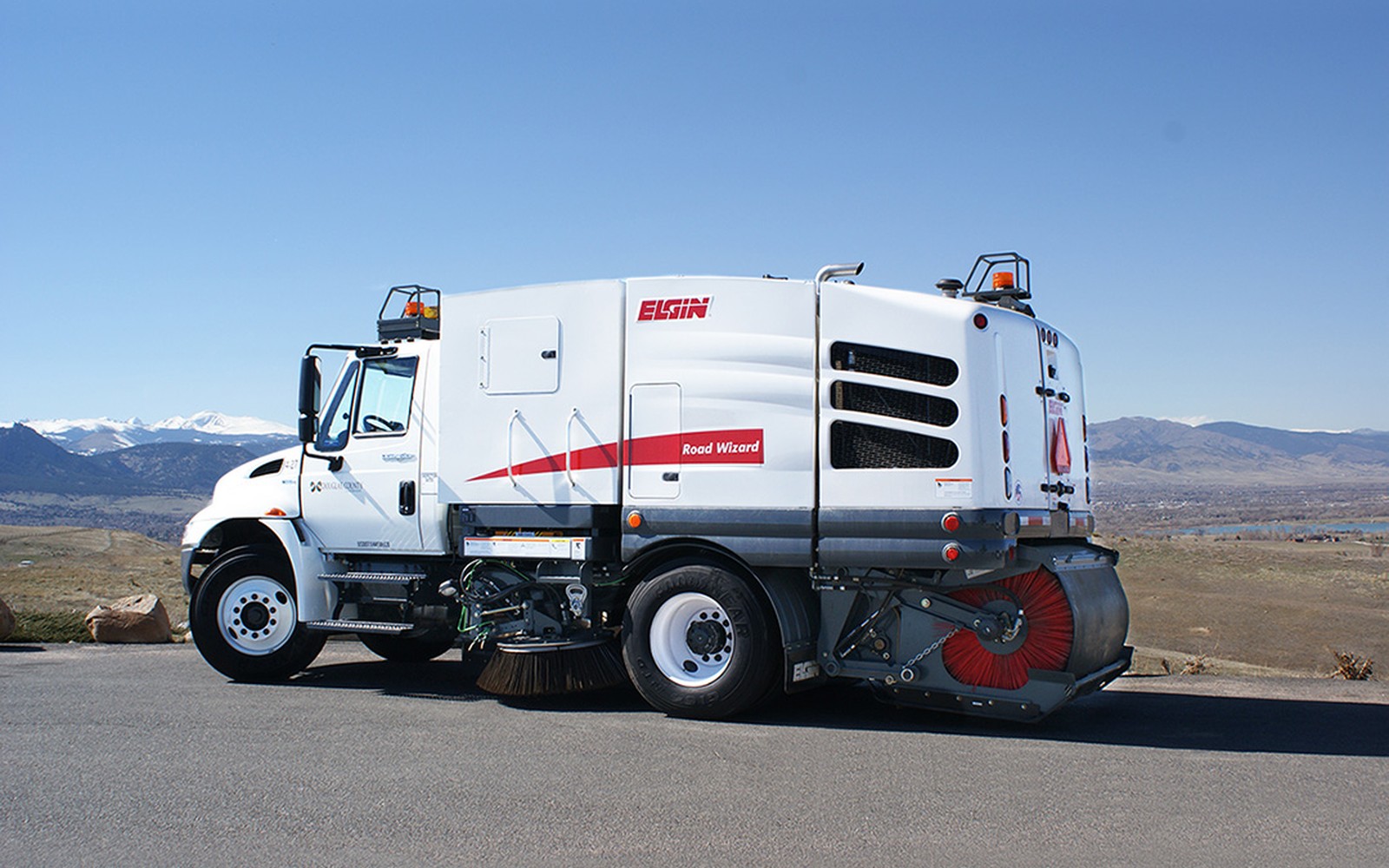
The sweeping technology on runway units is most commonly high-efficiency vacuum or combination mechanical-vacuum. Pure street-type mechanical broom sweepers are generally not used on active runway surfaces because the rotating broom contact can damage pavement joint sealant and the broom action can scatter rather than collect certain debris types. Vacuum-based systems that draw debris into a sealed body without scattering are preferred for FOD control. Some runway sweeper designs use magnetic bar systems alongside vacuum pickup to capture metallic debris that vacuum alone might miss.
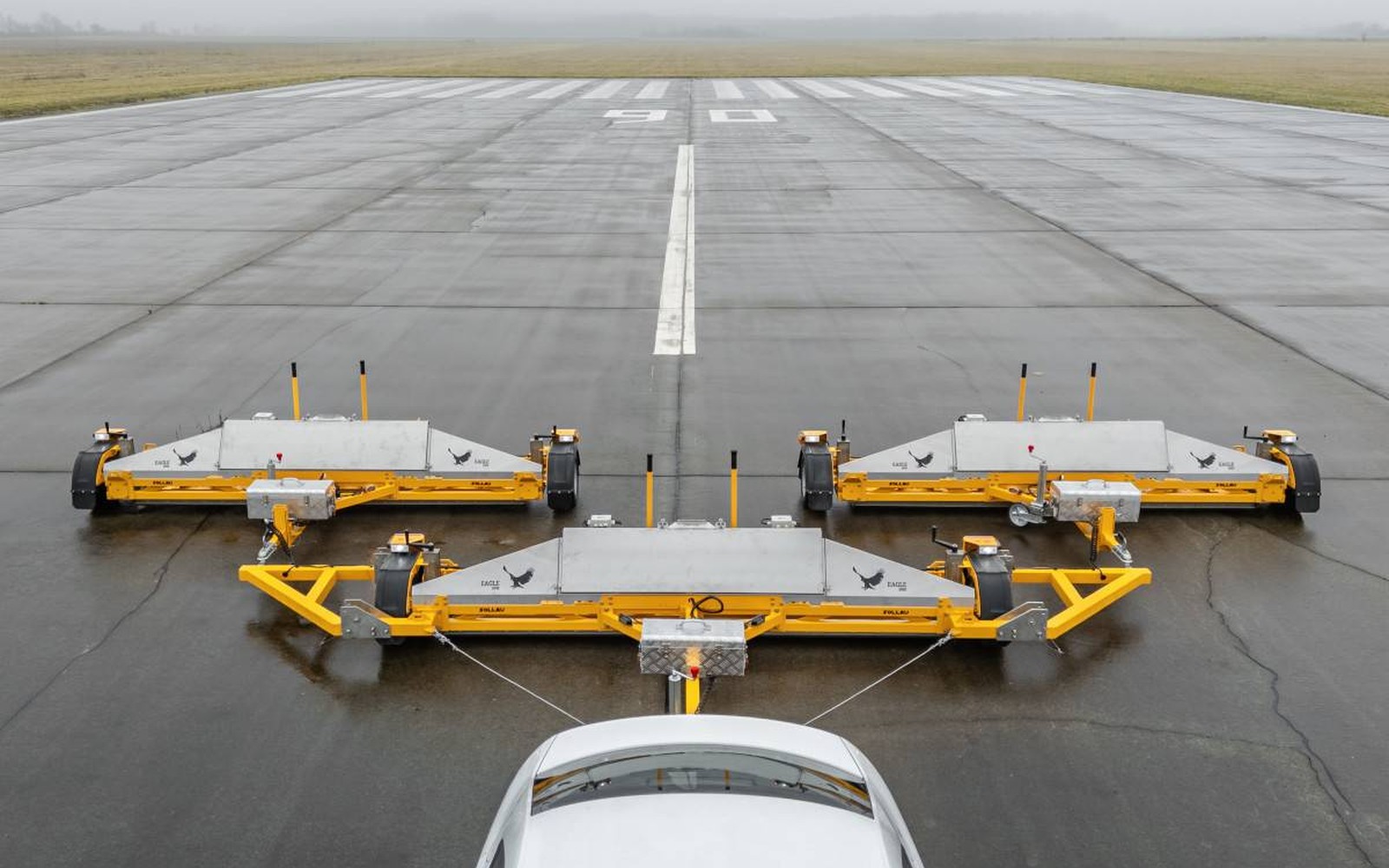
Width capacity is also a critical specification for runway sweepers. A runway at a major airport may be 150 to 200 feet wide, and efficient sweeping requires either very high travel speeds to cover that width in reasonable time or multi-unit deployments. Large airport authorities often deploy sweeper convoys for runway sweeping after aircraft operations resume, with multiple units running parallel passes to clear the full pavement width before the next departure window. The airport sweeper category broadly includes all equipment used in airside maintenance, and runway sweepers are the most specific and highest-specification segment within it.
The primary buyers are airport authorities and city/county governments that operate certificated airports. These entities procure runway sweeping equipment through competitive bid processes, often under federal grant programs administered by the FAA Airport Improvement Program. Equipment purchased with AIP grant funding falls under specific procurement requirements that we are familiar with in the financing context. Municipal airport authorities often use municipal lease-purchase structures for airfield equipment, which allows the purchase to be financed over multiple budget years without a bond issue.
Private Fixed Base Operators (FBOs) that contract with airport authorities to perform airfield maintenance services are a second buyer group. An FBO that holds the maintenance and operations contract at a mid-size general aviation airport often owns its own sweeping equipment rather than relying on the airport authority to provide it. A well-capitalized FBO buying an airfield sweeper for the first time is a commercial borrower, and the deal finances on the same application-only terms as any commercial sweeper purchase under $400,000.
Airport ground-handling companies that perform ramp sweeping at commercial airports are a third segment. Cargo ramps and passenger aprons at major airports accumulate debris from cargo handling operations, and ground handlers who contract for ramp cleaning services need equipment appropriate to that environment. Ramp sweeping is a step below runway sweeping in criticality but still requires airfield-rated equipment and operator certification. These companies finance through commercial channels and represent a steady buyer segment for airfield vacuum sweepers.
Runway sweeper financing is not one-size. The buyer entity, the purchase price, and the procurement path all influence the structure. Municipal airport authorities accessing FAA AIP grants sometimes purchase equipment outright with grant funds, eliminating the need for financing, but when grant coverage is partial or the procurement falls outside grant eligibility, financing covers the balance. We work with public airport entities on matching funding structures.
For private FBOs and commercial operators buying landing between $200k and $400k, application-only terms under the standard $400,000 threshold apply: three months of bank statements, application, credit decision in one business day. Above $400,000, which covers many purpose-built runway sweeper configurations, we collect one to two years of business financials depending on the credit profile. The additional documentation does not add weeks to the timeline, just one document step.
Term lengths on airfield sweeper financing typically run 48 to 72 months. Runway sweepers have long service lives when properly maintained, often 12 to 20 years for airfield-rated equipment, which supports longer financing terms. A street sweeper lease structure is also available for commercial operators who prefer to keep the equipment off the balance sheet or who want a defined upgrade cycle. Section 179 deduction treatment is available on new equipment purchases for private operators, subject to the annual deduction limits in the tax year of purchase.
Equipment questions
Clear answers before the equipment file moves to review.
Yes. Partial grant coverage with financing for the remainder is a common structure on AIP-funded equipment purchases. We need to understand the grant conditions, because some AIP grants have restrictions on third-party financing against the same asset. If the grant is for a portion of the purchase and the remainder is authority funds plus financing, that is typically straightforward.
Yes. FBOs are commercial borrowers and finance through the same commercial equipment financing channels as sweeping contractors. The underwriting looks at the FBO's cash flow from fuel sales, hangar rents, and ground-handling contracts. FBOs with anchor airline agreements have strong revenue visibility that supports financing.
Above $400,000, we typically collect one to two years of business returns in addition to bank statements. For an airport authority or a large FBO, business financials are standard documents that are readily available. This does not add significant time to the process if you have the returns prepared.
Yes. Lease structures are available for airfield sweeping equipment. For private commercial operators, an FMV or dollar-buyout lease works the same as it would on any commercial sweeper. For airport authorities, the lease needs to comply with the authority's budget and procurement rules, which may require annual appropriation language in the lease terms.
Keep exploring
Compare adjacent equipment, model, market, and service-area pages.
Equipment desk
Send the machine, seller, hours, and timing. The equipment desk will organize the next step.