Related financing path

Sweeper Types
Finance airport sweepers for ramp cleaning, FOD control, terminal curbside maintenance, and airfield pavements. entry ticket starts near $50,000, challenged credit reviewed, funding paced to the completed file.
Airport sweeping is not one job. It is three or four different jobs happening at the same address under the same deadline pressure: runway and taxiway FOD control before first departure, terminal curbside cleaning before the morning rush, cargo ramp debris cleanup between aircraft turns, and apron sweeping at the gates. Each zone has different requirements for equipment size, debris type, and performance standard. The airport that thinks it can cover all of those zones with one machine usually ends up with a machine that is a compromise in every zone. The airports that do this well run a small fleet with machines matched to the specific task and the specific pavement type they are cleaning.
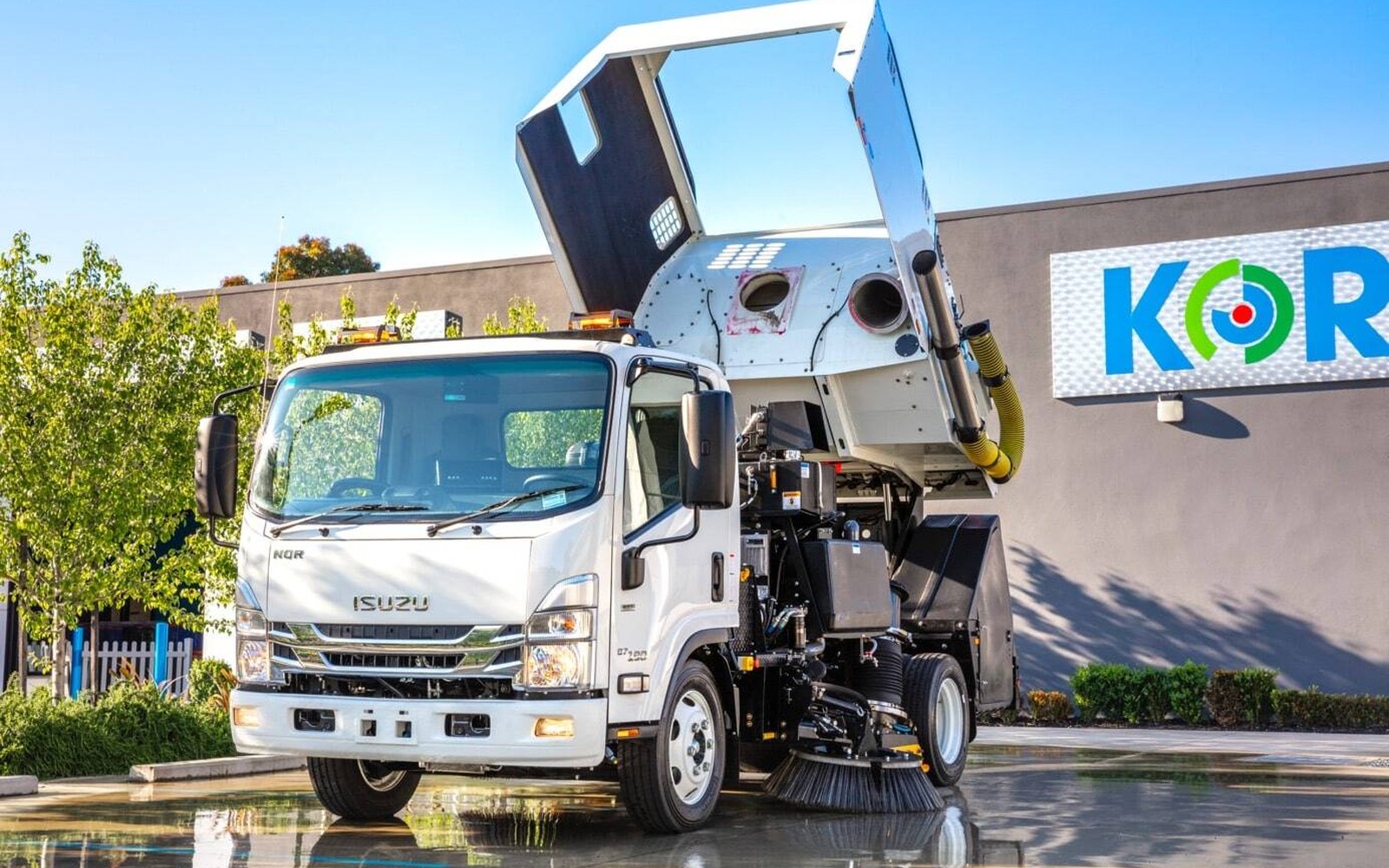
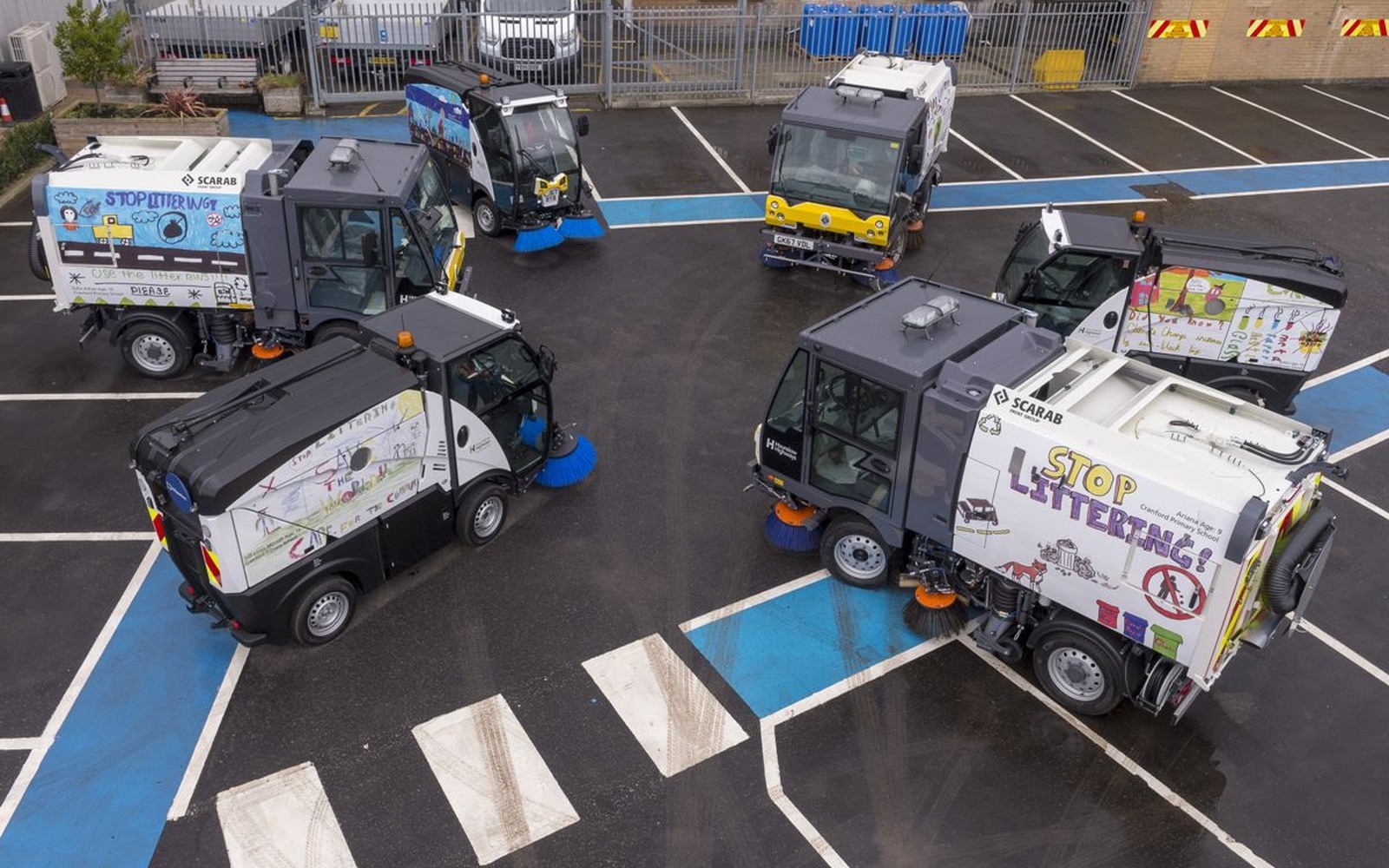
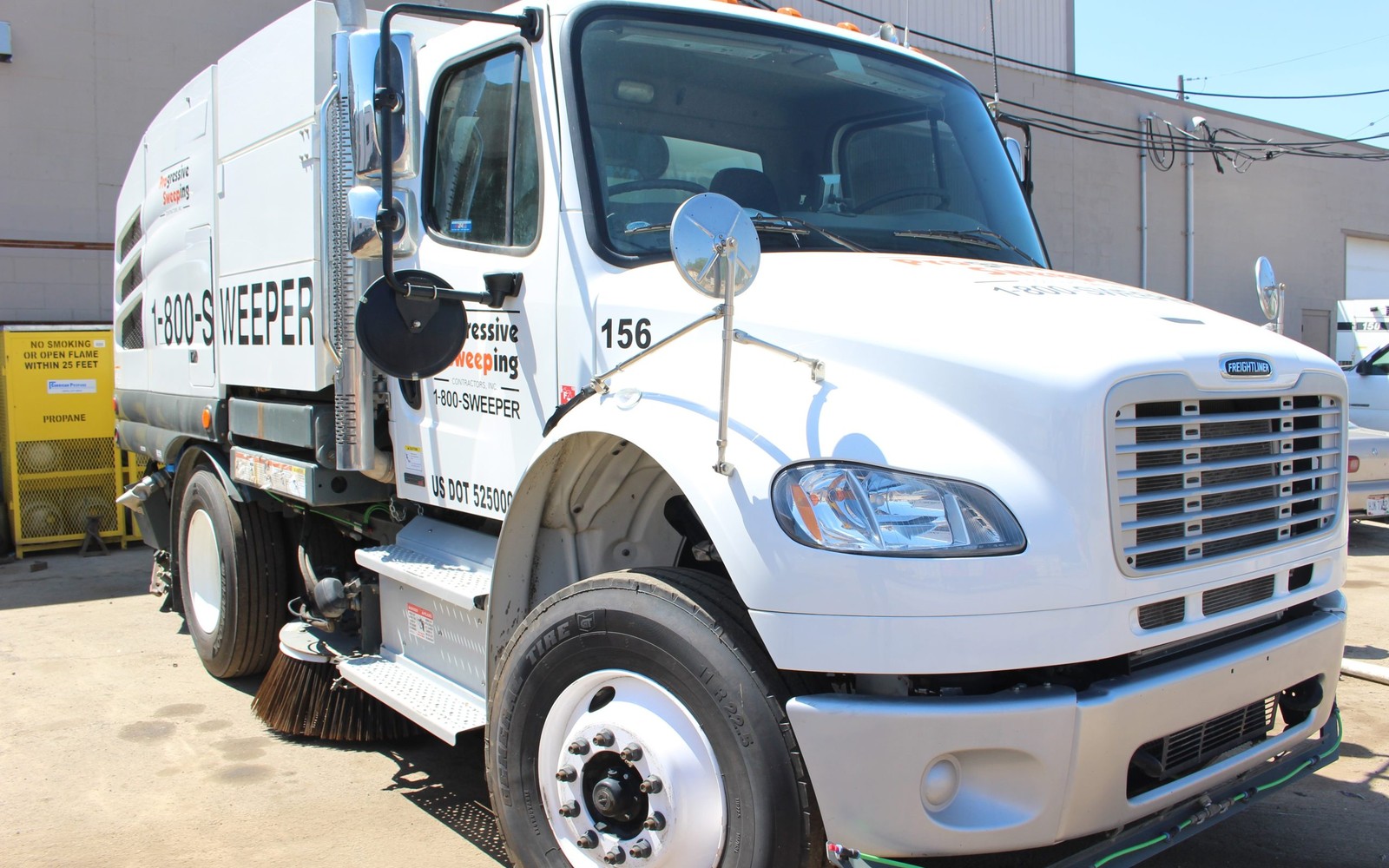
Airport sweepers span a wide range of equipment types, from full-size truck-mounted regen-air and vacuum units used on runways and taxiways to compact three-wheel or ride-on machines used on terminal curbsides and landside parking areas. The common thread is that equipment operating in airside areas must be cleared by the airport operations authority for airside access and must meet the airport's safety and FOD control requirements. Landside airport sweeping, covering curbsides, roadways, and parking structures, uses standard commercial sweeper equipment without the airside certification requirements.
We finance airport sweepers across the full range, from compact landside machines starting at $50,000 to large airside vacuum sweepers well above that. New or used, airport and aviation facility operators of all types, B or C credit considered, funded in about one to two weeks for deals under $400,000. Tell us the machine, the zone it will operate in, and the buyer entity. We build the deal around those three things.
The runway and taxiway environment demands high-efficiency vacuum equipment with documented FOD pickup performance. These machines operate under time pressure during the maintenance window between aircraft operations and must clear wide pavement surfaces quickly. A well-equipped airport runway sweeper is a large, purpose-built vacuum unit. The dedicated runway sweeper page covers the specifics of that equipment class.
Terminal curbside and roadway cleaning is a different situation. The terminal frontage at a major airport is essentially a high-volume commercial roadway with constant vehicle movement, litter generation from passengers and taxi traffic, and tight time windows for sweeping between peak arrival and departure banks. Compact mechanical broom or regen-air sweepers suited to urban street work are effective here. These machines do not need airside certification because the terminal curbside is landside. They need to be maneuverable in tight traffic geometry and sized to work around stopped vehicles and luggage carts.
Cargo ramp sweeping falls between the two. Cargo aprons are airside areas, so equipment needs authorization, but the debris profile is different from runways: cardboard, packing straps, foam, and aggregate from aircraft cargo operations. A combination mechanical-vacuum unit or a purpose-built industrial sweeper handles cargo ramp debris more effectively than a fine-particle vacuum unit tuned for runway work. Some airport cargo operators run compact combination sweepers specifically for the ramp environment because the debris profile is too varied for a single-technology approach.
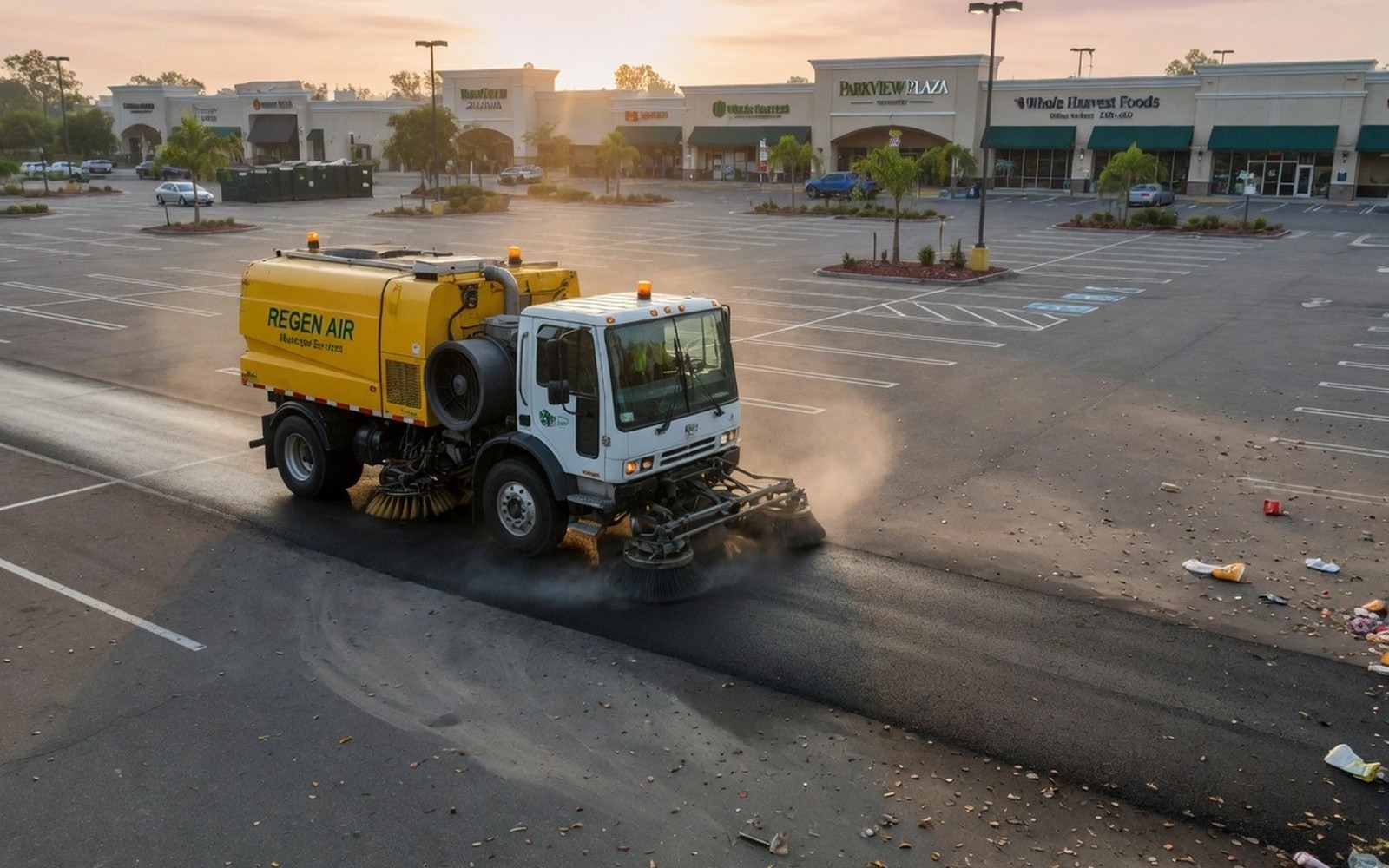
Parking structure and landside road sweeping at airports uses standard commercial sweeping equipment. Large airport campuses with extensive surface lots and parking garages run parking-lot sweepers on the same schedules as commercial parking operators, usually overnight, and the equipment decisions are no different from those at any large commercial parking facility.
Airport authorities and government aviation entities are the largest buyers. A major international airport may own a dozen or more sweeper units across all equipment classes. Regional airports and general aviation facilities typically run two to five machines covering the pavement types on the field. These public-entity buyers often access financing through municipal lease-purchase structures with annual appropriation terms and competitive procurement processes.
Private aviation service companies and FBOs that hold airport maintenance and operations contracts own equipment in the airport context as commercial borrowers. A company that holds the operations contract at a mid-size commercial airport buys its own sweeping fleet and finances it through standard commercial channels. These buyers qualify on the same application-only terms as any sweeping contractor: three months of bank statements, an application, credit decision in one business day, funding paced to the completed file on clean deals under $400,000.
Airport ground-handling companies that provide ramp cleaning services as part of their service package are a third buyer type. Companies like these operate on airline service agreements that provide predictable revenue from airport service fees and per-turn charges. That revenue structure is well-suited to equipment financing because the cash flow is contractual and consistent. Sweeping contractors who have expanded into airport ground services also fall in this category.
The documentation path depends on the buyer entity and the transaction size. Municipal airport authorities typically follow their own procurement rules, which may require competitive bids, board approval, and specific financing proposal documentation. We are accustomed to working within public procurement frameworks. The end result is a municipal lease-purchase or installment sale agreement that fits the authority's budget and compliance requirements.
Commercial buyers, including FBOs, ground handlers, and private aviation service companies, follow the standard commercial financing path. Under $400,000, application plus three months of business bank statements is the document package. Over $400,000, business returns come into the picture but the timeline does not change dramatically. We have closed airport sweeper deals in both size ranges and both buyer categories.
For buyers who are operating in multiple airport environments or who need to finance a fleet of machines, we structure multi-unit deals that cover the whole acquisition in one transaction. A company buying three different machine types, one for the runway, one for the ramp, one for the curbside, can often put all three on one financing package rather than three separate deals. Street sweeper loans and street sweeper leases both accommodate multi-unit transactions. The key is submitting clean documentation for all three machines at the same time so we can move the full package through approval together.
Airport sweeping equipment is specialized in ways that most lenders do not understand. We have financed machines for both sides of the fence: airside and landside, municipal authority and private FBO. Tell us the machine, the zone, and the buyer type. We will put the structure together and get it funded inside two weeks on deals that are ready to move.
Equipment questions
Clear answers before the equipment file moves to review.
That depends on your state procurement law and your authority's own purchasing rules. Many airport authorities have thresholds below which competitive bidding is not required for equipment financing, often landing between $50k and $100k. Above those thresholds, you may need to issue an RFP or sole-source justify the transaction. We can provide a formal financing proposal that meets most public entity documentation requirements.
Yes. Used airport surplus sweepers are financeable. We need to confirm the machine's condition, verify there are no federal liens from prior AIP grant funding that would complicate the title transfer, and get a reasonable appraisal of current market value. AIP-funded equipment that has not been fully amortized may have restrictions on resale; the selling airport should provide a release from the FAA before the transaction closes.
Yes. We can review a leaseback or an equity refinance against the sweeper you already own is a reasonable way to free up capital for the ramp expansion without taking on unsecured debt. We value the equipment, document the title, and fund the equity out to you. The sweeper stays in service.
No. Certification and approval are operational matters between you and your airport operations authority. We finance the equipment based on its type, condition, and market value, not its operational approval status. Whether the airport authority clears the machine for airside use is your responsibility to manage.
Yes. Multi-unit deals with different machine types can often be structured as a single financing package. We need invoices and machine details for both units. The combined amount determines whether it falls under application-only or requires additional documentation.
Keep exploring
Compare adjacent equipment, model, market, and service-area pages.
Equipment desk
Send the machine, seller, hours, and timing. The equipment desk will organize the next step.