Related financing path

Industries
Finance runway sweepers, FOD control units, and apron maintenance equipment for airports and aviation facilities. Municipal lease-purchase and commercial options available.
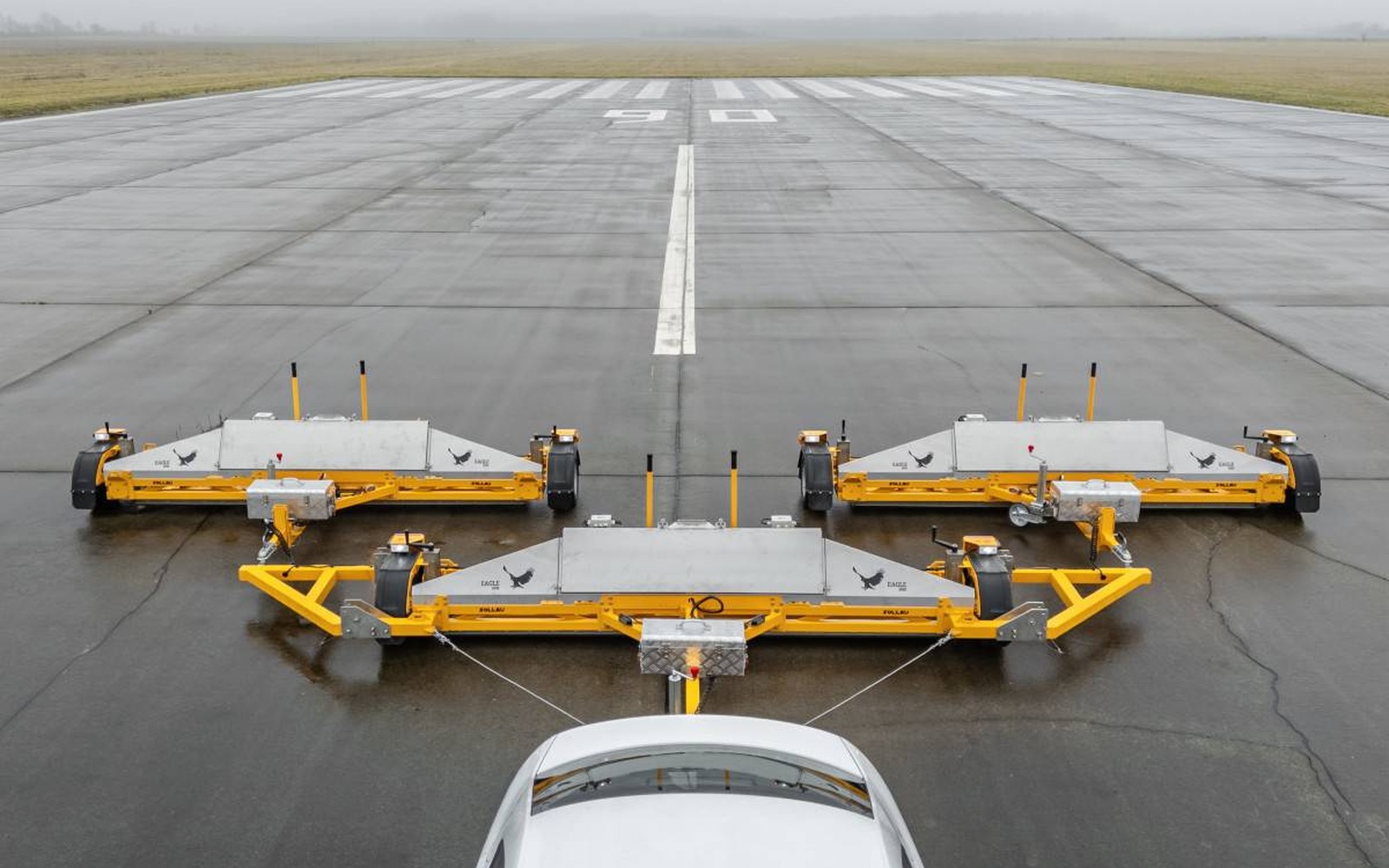
Foreign Object Debris on an active airfield is not a maintenance inconvenience. A bolt, a piece of tire wire, a runway light lens fragment on the centerline ahead of a departing aircraft creates a jet ingestion risk that grounds the aircraft at best and causes a serious incident at worst. FOD control at airports is a daily operational requirement that falls to the airfield maintenance department, and the equipment that keeps runways, taxiways, and aprons clear has to work every day, in all conditions, before the first departure of the morning and after the last arrival of the night.
Airport sweeping equipment is a specialized category within the broader street sweeper market. The machines that operate on active airfields need specific characteristics: low magnetic profile to avoid interfering with navigation systems, compatibility with FAA airfield driving certifications, debris containment that prevents secondary scatter, and the ability to operate in the compressed time windows between aircraft movements. A airport runway sweeper is not the same as a municipal street sweeper, and the financing for it should come from a desk that knows the difference.
We finance airport sweeping and FOD control equipment for commercial airports, general aviation facilities, fixed-base operators, cargo terminals, and aviation maintenance facilities. Both municipal lease-purchase structures for publicly owned airports and commercial financing for private aviation operators are available through us.
Runway and taxiway sweepers for airfield use are engineered to a different standard than street sweepers. The debris containment system has to be designed so that material picked up is fully retained rather than blown clear, because airborne debris on an airfield creates additional FOD risk. High-dump configurations that allow the operator to discharge debris into a collection vehicle without leaving the machine are preferred for continuous runway operations.
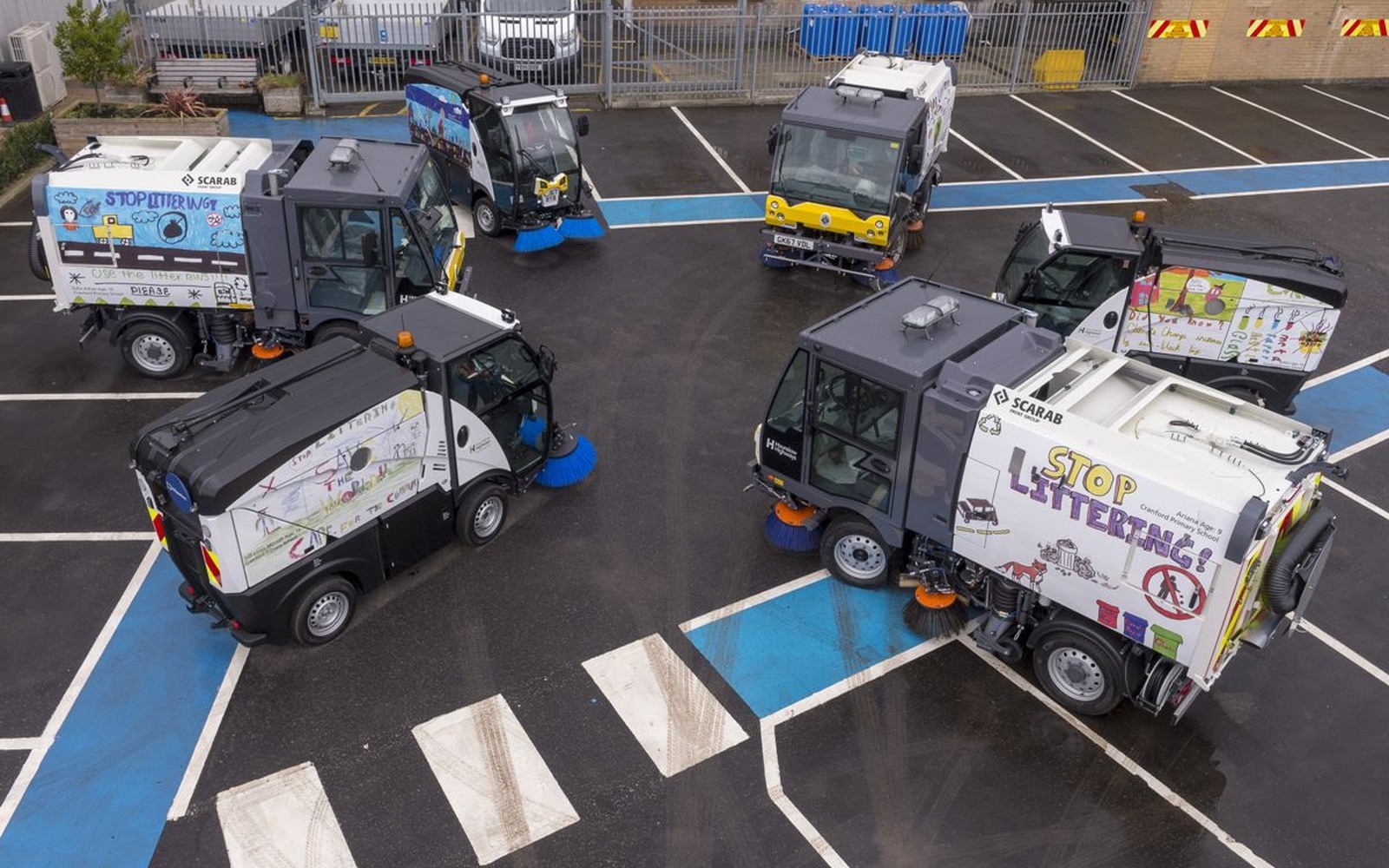
Apron sweeping for cargo and terminal ramp areas has different requirements from runway sweeping. Ramp debris is often heavier (cargo tie-down hardware, pallet wood fragments, de-icing chemical residue, cargo net pieces) and the operating environment is more congested, requiring a smaller-footprint machine with good maneuverability around aircraft, ground support equipment, and fueling vehicles. A compact street sweeper or a specially configured apron maintenance unit is often the right tool for this environment rather than a full-size runway machine.
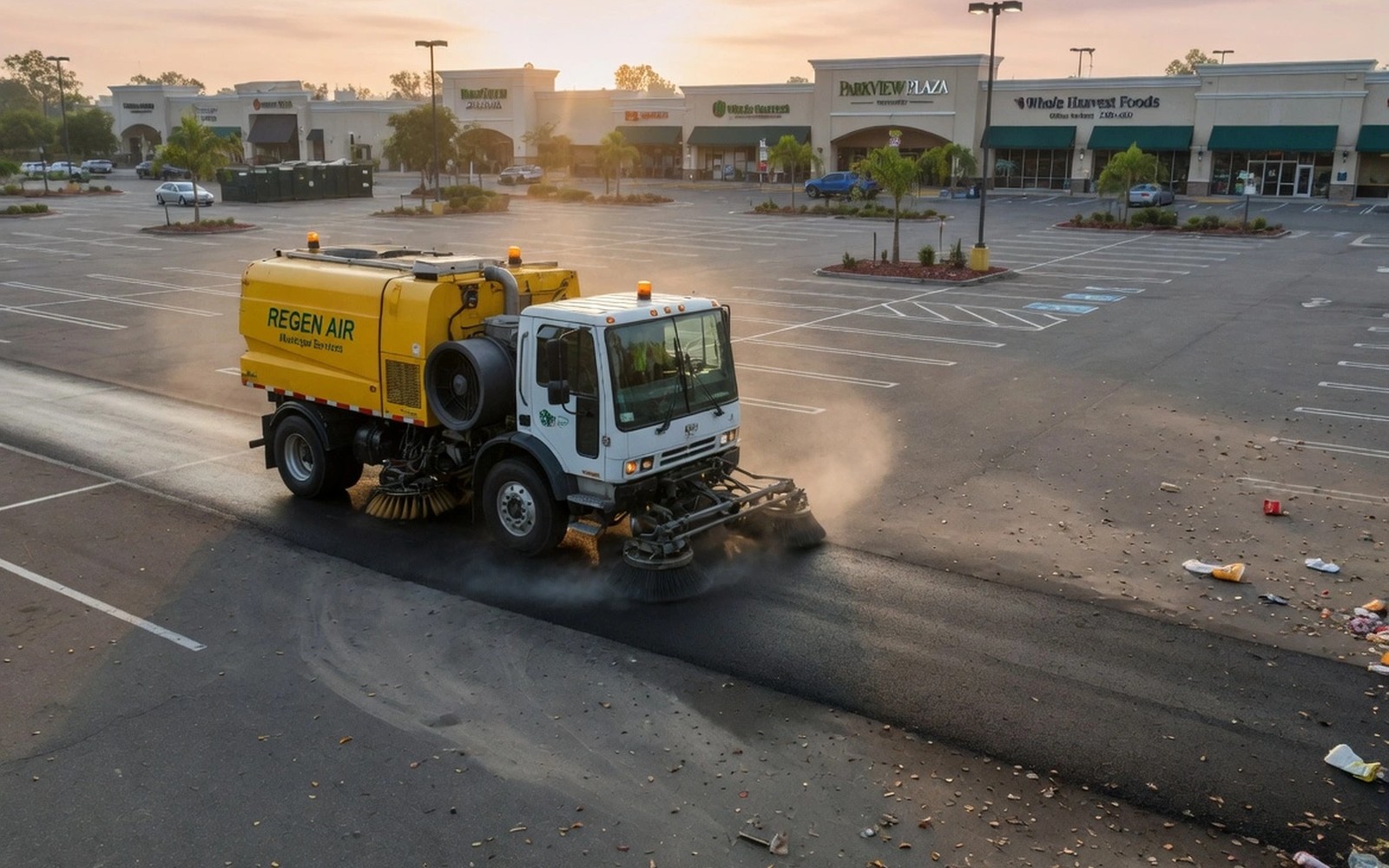
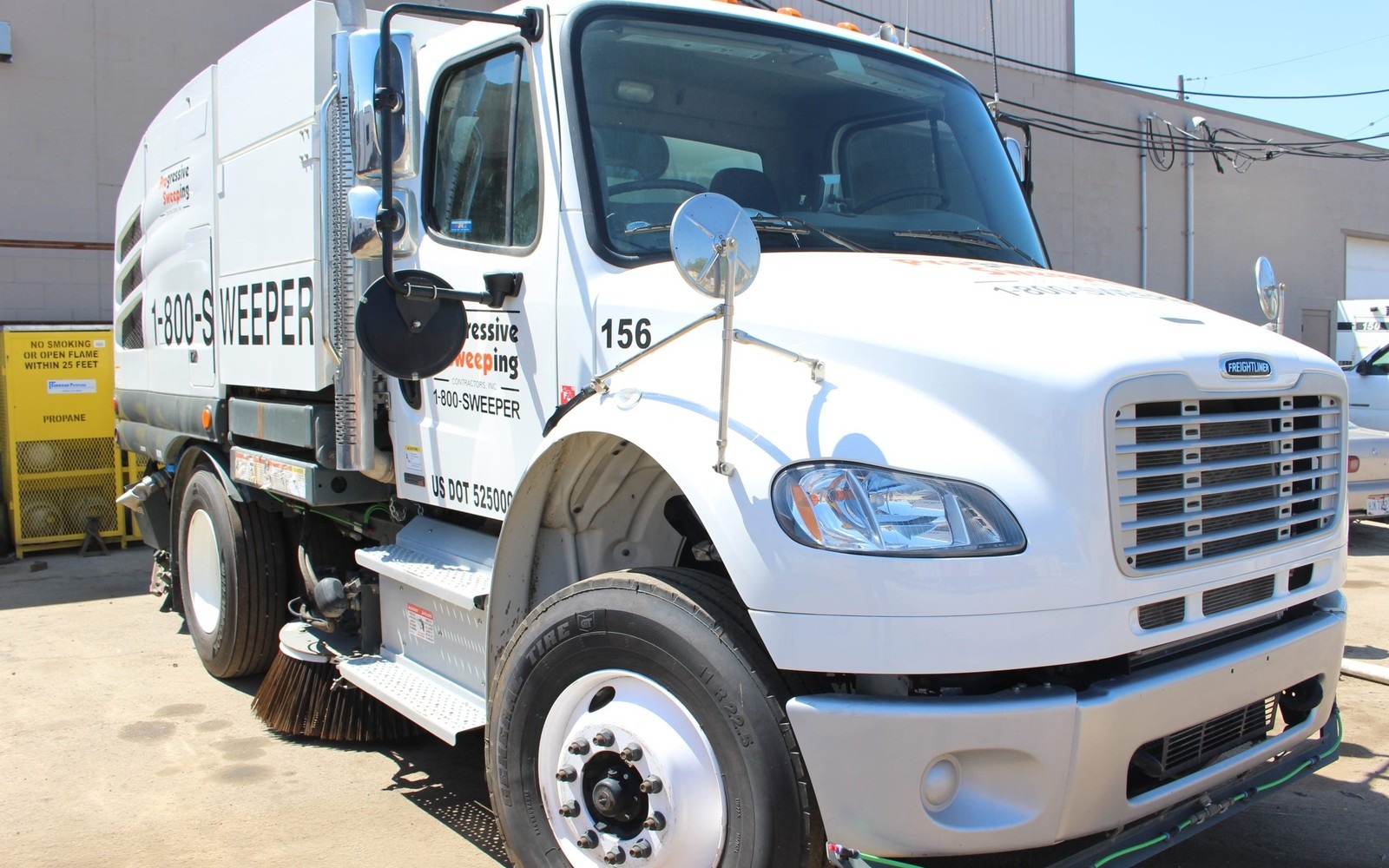
General aviation facilities and smaller municipal airports often run multi-purpose sweepers that serve both airfield maintenance and vehicle circulation area cleanup. These facilities typically have smaller budgets and smaller sweep areas, and a mid-size mechanical or regenerative-air unit serves the full scope of the maintenance requirement rather than requiring separate airfield-specific equipment.
For facilities that also manage stormwater runoff from paved surfaces, a stormwater-compliance sweeper that meets PM-10 certification standards may be required for NPDES permit compliance. Many airports in non-attainment air-quality areas face this requirement regardless of whether they have direct airline service.
Publicly owned airports, which include most commercial service airports and many general aviation facilities, have access to municipal lease-purchase financing with tax-exempt interest rates and non-appropriation protection. An airport authority or municipality that owns the facility can structure the sweeper acquisition as a lease-purchase that aligns payments with the annual budget appropriation cycle.
Federal funding programs, specifically FAA Airport Improvement Program grants, can cover a portion of airfield equipment costs for qualifying projects at commercial service airports and some general aviation airports. When AIP funding is involved, the equipment procurement must follow federal procurement requirements. We can structure financing to complement an AIP-funded portion, covering costs not reimbursed by the grant.
Private airports, fixed-base operators, and aviation maintenance facilities use standard commercial financing rather than municipal lease-purchase. For these operators, three months of bank statements, the application, and a purchase agreement or vendor quote on the equipment is the standard documentation package. Application-only financing up to $400,000 is available without tax returns for qualifying deals.
Airport maintenance equipment is a thin market. The universe of buyers is smaller than the universe of sweeping contractors or municipal public works departments, which means fewer lenders have experience valuing and underwriting these assets. A runway sweeper that is built to airfield specifications is not the same collateral as a street sweeper in the eyes of a general equipment lender, and the difference shows up in appraisals, depreciation assumptions, and the willingness to offer long terms on used equipment.
We work with lenders who understand aviation maintenance equipment as a collateral class. That knowledge matters when the deal involves a specialized unit with a limited secondary market. An airport sweeper that is sold after five years of service is being sold to another airport, and the pricing in that thin secondary market is different from the used street sweeper market. Our lenders account for that in the structure rather than applying generic street-sweeper depreciation assumptions.
For facilities with specific FAA compliance obligations, the documentation requirements in the financing may also include records of airfield equipment certification, operator training records, and maintenance logs that establish the machine's airworthiness status. We are familiar with these requirements and can help facilitate a documentation package that meets both the lender's needs and the facility's compliance record-keeping obligations.
FOD control requires equipment that is available and running every shift. Finance your airport sweeper or apron maintenance unit through a desk that understands the asset. Call us to discuss the machine and the structure that fits your facility type.
Equipment questions
Clear answers before the equipment file moves to review.
AIP grants typically cover a percentage of eligible project costs, with the airport responsible for the local match (usually 10 to 20 percent for commercial service airports, higher for general aviation). If the grant reimburses 80 percent of the equipment cost, we can finance the remaining 20 percent local match, or we can finance the full cost upfront while the grant reimbursement is processed, then apply the reimbursement to the outstanding balance. Procurement must follow FAA requirements on AIP-funded projects, which typically requires competitive bidding. The financing itself is a separate arrangement.
Yes. An FBO or private operator at a municipal airport finances equipment as a commercial entity, not as the airport operator. Your FBO's business revenues, operating history, and credit profile form the basis of the application. You do not need to be the airport owner or authority to finance equipment that you will use in your ramp and hangar operations.
Airfield vehicles including sweepers that operate on the movement area are subject to the airport's Vehicle and Pedestrian Operations requirements under FAA Advisory Circular 150/5210-20. The vehicles themselves do not require FAA type certification (they are not aircraft), but operators must be airfield driving certified and the vehicles must be marked and equipped per the airport's vehicle operating program. We are not the authority on airfield driving programs, but we are familiar with the operational context and the documentation that comes with it.
Yes. Combination units that serve multiple FOD control functions (sweeping plus magnetic debris collection) are financeable as a single asset. The total purchase price of the unit determines the deal size. If the unit price falls above our $50,000 minimum, it qualifies for our standard financing programs.
Municipal credit challenges are evaluated in context. If the authority's finances have stabilized and the current budget picture is sound, a two-year-old budget difficulty does not automatically block municipal lease-purchase financing. We work with lenders who understand that municipal credit is different from commercial credit and who evaluate the current fiscal position, the appropriation history, and the nature of the past difficulty rather than applying a blanket rule.
Keep exploring
Compare adjacent equipment, model, market, and service-area pages.
Equipment desk
Send the machine, seller, hours, and timing. The equipment desk will organize the next step.