Related financing path

Sweeper Types
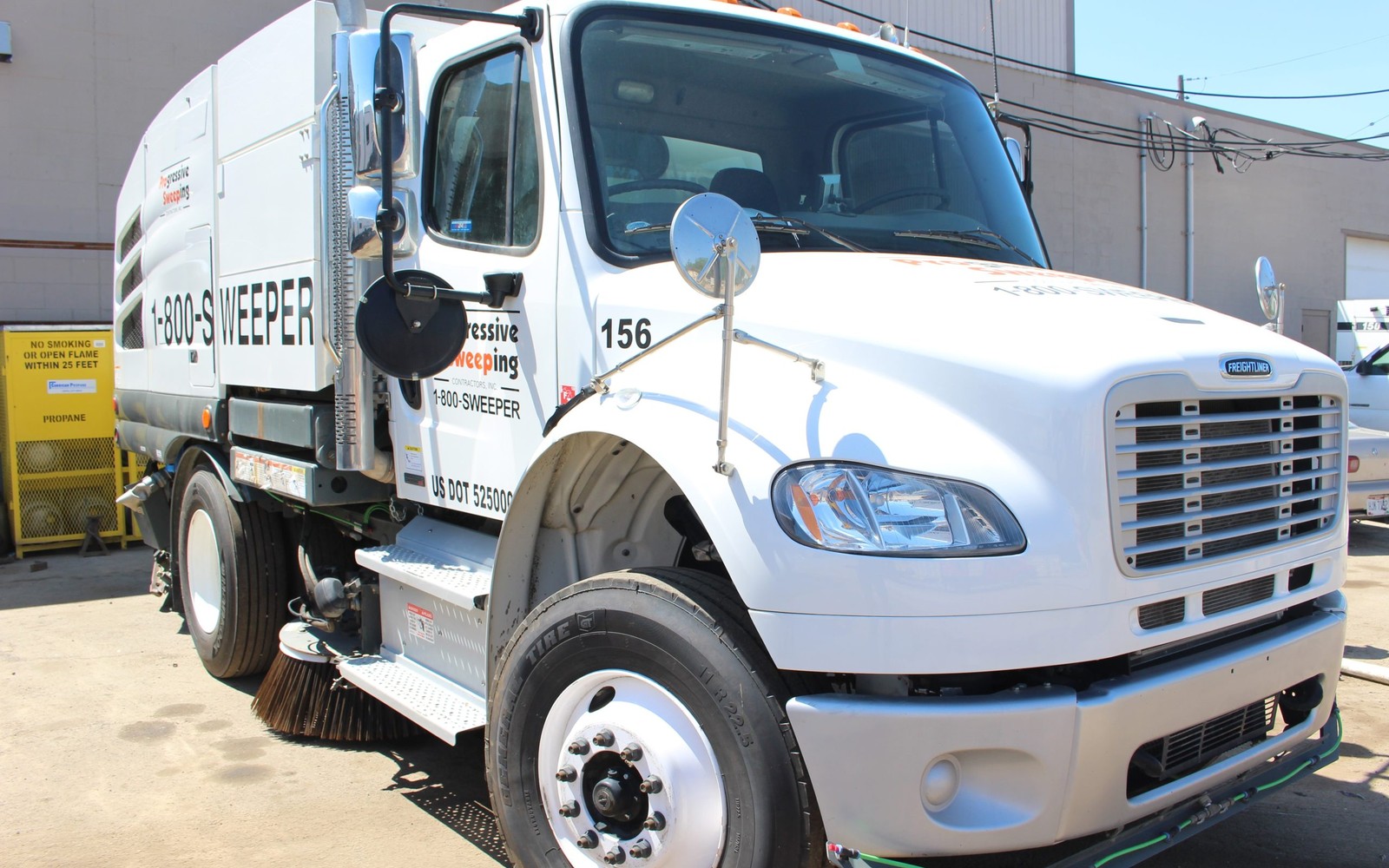
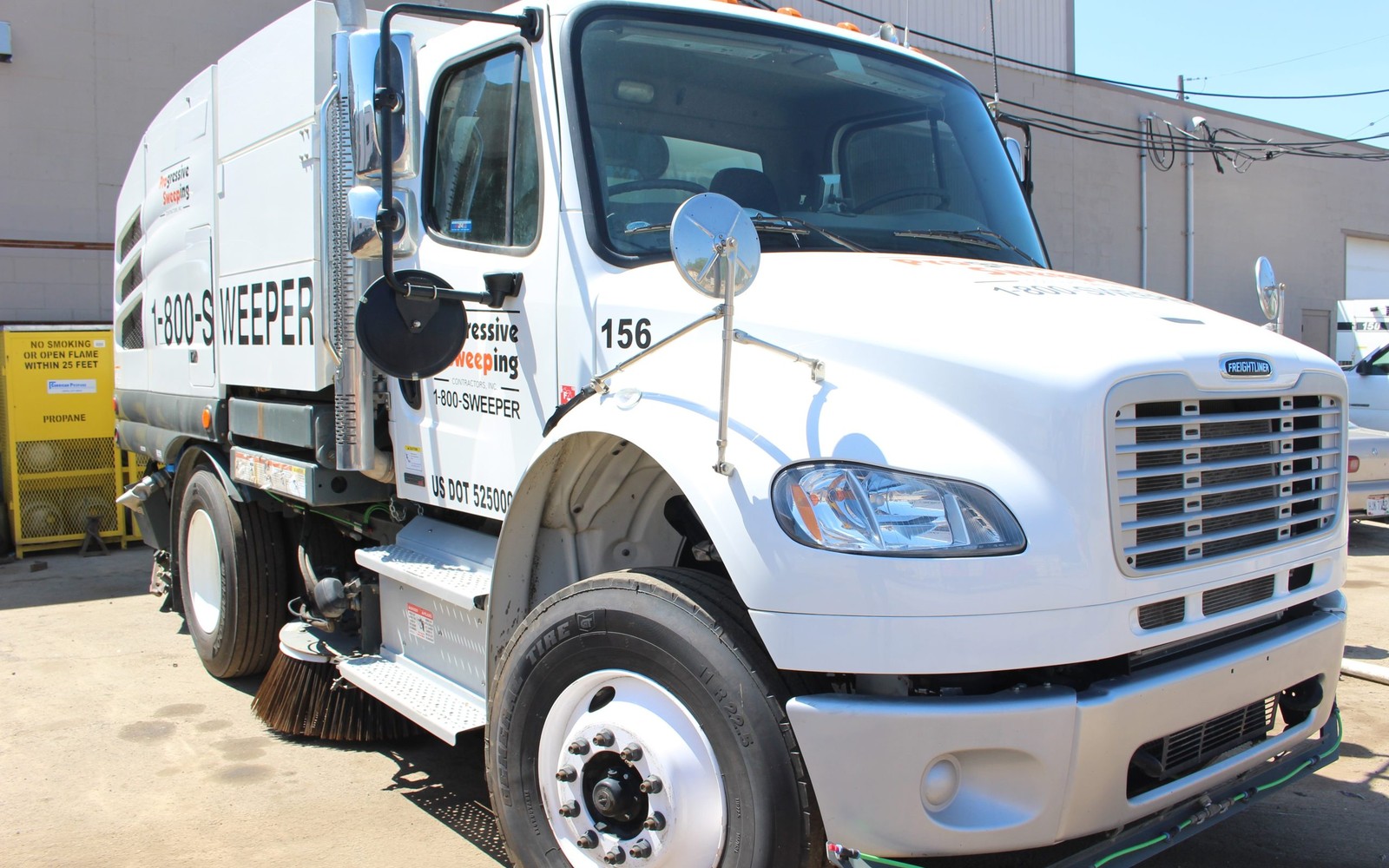
Finance a water-recycling street sweeper for drought-sensitive markets, air quality compliance, and cost-conscious fleets. Programs start near $50,000 with challenged credit reviewed.
Water use on a sweeping route adds up faster than most operators realize until the utility bill arrives. A conventional sweeper with a water spray suppression system can burn through 500 to 1,000 gallons per shift depending on the dust load, the surface conditions, and how hard the operator is running the suppression. In drought-restricted markets, water availability is not just a cost issue. It is an operational constraint. Some municipalities have restricted non-essential water use during dry periods, and a sweeper that cannot operate within those restrictions is grounded.
Water-recycling sweepers address this directly. By filtering and recirculating the water used for dust suppression rather than dumping it with the debris at each hopper cycle, these machines extend a single tank fill across many more route hours. Operators report running significantly longer between refills compared to conventional spray systems. The savings accumulate in both water cost and route interruption time.
We finance water-recycling sweepers from $50,000. These machines carry a price premium over standard units because of the added filtration and recirculation hardware, so most transactions land landing between $180k and $350k for full-size truck-mounted units. Application-only financing handles most of those deals. Three months of bank statements, a credit application, and we work toward a close in one to two weeks.
The recirculation system sits between the water tank and the spray nozzles. As the sweeper collects debris, water used for dust suppression carries fine particulate back into the hopper with the swept material. In a conventional unit, that water is discarded with the load. In a recycling system, the water is filtered, the solids are separated into the debris hopper, and the cleaned water goes back into the spray circuit.
Filtration methods vary by manufacturer. Some use a centrifugal separator to spin out heavy particles before a secondary filter passes the water back to the tank. Others use settling chambers and inline filters. The quality of the filtration determines how clean the recycled water is and how long filters run before service is needed. Ask about the filter service interval and replacement media cost when evaluating machines. Those are real recurring operating costs that affect the economics of the recycling advantage.
The water-recycling feature pairs naturally with high-efficiency sweeper technologies. Regenerative-air sweepers with enclosed air circuits can incorporate water recycling to handle the dust suppression load without water waste. The TYMCO DST-6 Dustless Sweeper uses a water recovery system that recaptures spray water for reuse, which is part of how it achieves its certified dustless performance rating.
On routes with heavy organic or fine-grit debris loads, the filtration system does more work per shift. Municipal routes through commercial corridors with high vehicle traffic deposit fine brake dust, tire rubber, and sand, all of which the water-recycling filter must handle before the water goes back into the spray circuit. Higher debris loads mean more frequent filter checks.
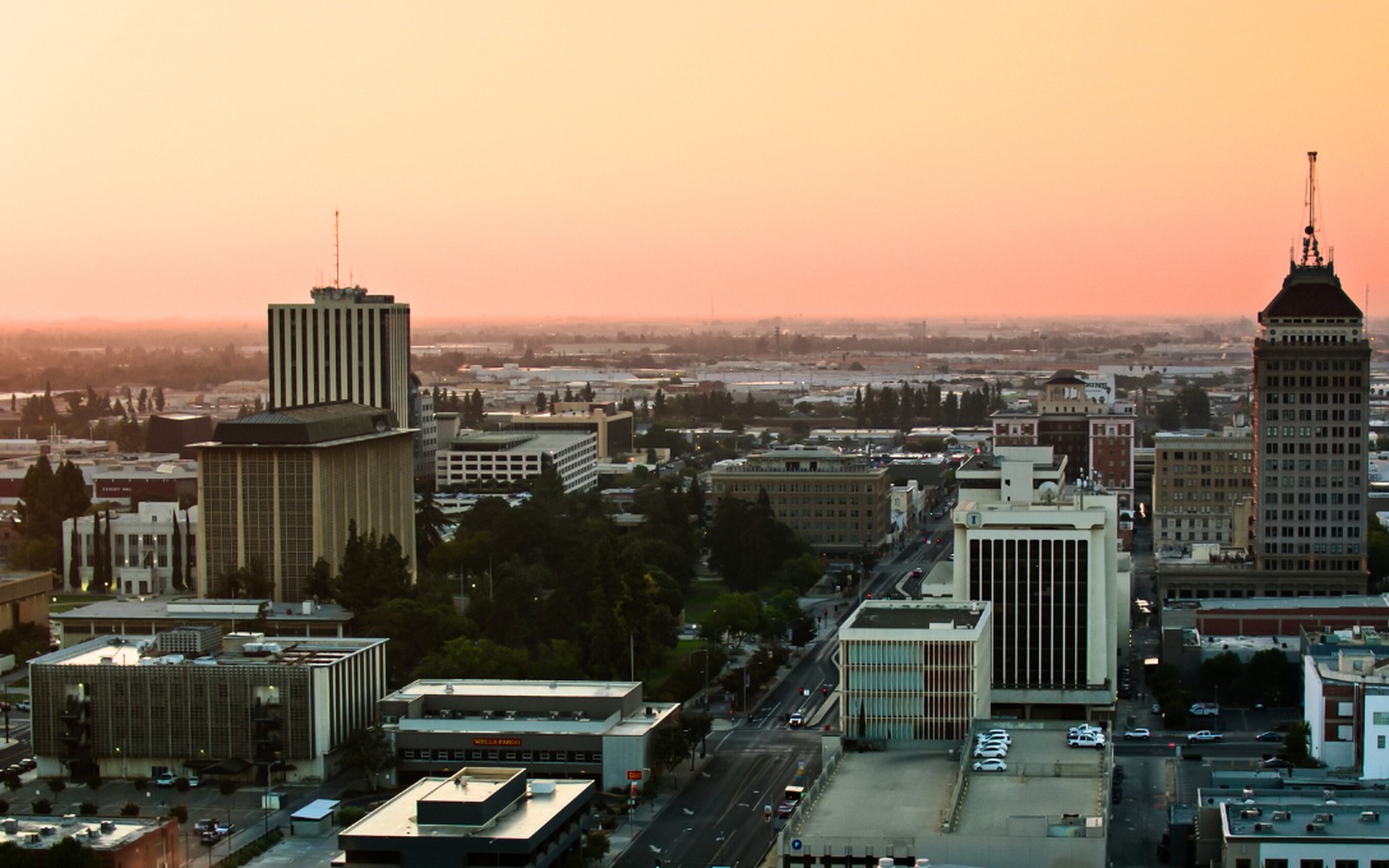
California's Central Valley, the Colorado Front Range, the Southwest desert metros, and any region that has experienced consecutive drought years or mandatory water restrictions are the obvious markets. Operators in Fresno and Bakersfield have real, recurring water cost and availability pressures that make the recycling premium worth paying. Water rates in these regions have climbed steadily, and restrictions on non-potable water use during drought declarations have forced some sweeping fleets to cut route hours or haul water at added expense.
But water recycling is not exclusively a drought-region purchase. Any operator running long routes where returning to a fill station is time-consuming benefits from extended tank range. A contractor covering a large suburban municipality where the nearest fill point is far from the end of the route loses revenue time to dead-head fill runs. A water-recycling system that extends the effective route between fills by two or three hours can meaningfully improve the day's production.
Environmental cleanup services operators working on industrial sites or remediation projects often face both water-use restrictions and dust control requirements at the same site. A water-recycling unit satisfies both concerns simultaneously. The machine demonstrates due diligence on water conservation while meeting the dust suppression standards the site permit requires.
Road construction and paving operations that must run sweeping equipment in water-restricted areas have used water-recycling machines to stay operational through drought restriction periods. A road construction company that cannot sweep a milling operation because of water restrictions faces schedule and regulatory exposure. The recycling unit resolves the standoff.
Water-recycling sweepers price higher than comparable non-recycling units because of the added filtration hardware, plumbing, and controls. A full-size truck-mounted regenerative-air sweeper without recycling might list at $250,000. The same machine configured with a water-recycling system can run $30,000 to $60,000 more. That premium finances as part of the transaction. We are not looking at the recycling system as a soft cost or an add-on to be stripped out. It is part of the machine.
Loan terms of 48 to 72 months are common on machines in this price range. A 60-month note on a $300,000 unit with reasonable structure produces a monthly payment most established sweeping operations can service from route revenue without significant strain. The water savings and reduced fill-run time offset a portion of the payment in operating economics, though how much depends on local water rates and route geography.
A dollar buyout lease is a financing structure that functions like a loan for practical purposes: you make monthly payments and own the machine at the end for one dollar. It can offer tax flexibility compared to a standard loan. Operators with complex tax situations sometimes prefer this structure. A street sweeper lease with a fair market value end-of-term option is another choice when the operator wants lower monthly payments and flexibility on the next machine upgrade.
Equipment questions
Clear answers before the equipment file moves to review.
Yes, as long as the machine is otherwise in serviceable condition. A needed filter replacement is a maintenance item, not a deal-killer. If the filtration system needs major repair, that affects the machine's value and we factor it in. A straightforward filter swap at purchase is something you can budget for separately.
It depends on the machine design and the debris load. Some operators report using 70 to 80 percent less water per route hour with recycling systems. Others see smaller gains on heavy-debris routes where the filter cycles faster. Ask the manufacturer or dealer for data on the specific model you are evaluating, and talk to operators already running that machine.
Yes. Once the machine has built equity through payments or appreciation, a cash-out refinance is a legitimate way to pull capital from it. The recycling system does not reduce the machine's collateral value, it may actually support it in markets where compliant machines command a premium.
It adds filter service as a periodic task, and the separator and plumbing components require inspection. The added maintenance is not prohibitive for a well-managed fleet, but it is real. Ask the dealer for the manufacturer's recommended maintenance intervals on the recycling system specifically before you buy.
No. The recycling system is part of the machine and the total purchase price is what the lease-purchase covers. Municipal lease-purchase structures work on the full machine price regardless of which components are included.
Keep exploring
Compare adjacent equipment, model, market, and service-area pages.
Equipment desk
Send the machine, seller, hours, and timing. The equipment desk will organize the next step.