Related financing path

Industries
Street maintenance departments finance new and replacement sweepers through municipal lease-purchase or application-only programs. Flexible terms, fast decisions.
Grit comes back every winter. Sand from traction applications, asphalt fines from the spring thaw, gravel carried in from unpaved shoulders, debris pushed into the gutter by snowplows. A street maintenance department's sweeping calendar starts the moment the last frost lets go, and a unit that was marginal at the end of last season is not going to hold up through the spring pickup surge. The sweeper has to be ready. The department has to have the equipment to run it.
Street maintenance departments operate differently from municipal public works in one important way: the focus is narrow. Pavement maintenance, crack sealing, pothole patching, striping, and debris removal are the core work. The sweeper in this context is a pavement-health tool as much as it is a cleanliness tool. Keeping pavement surfaces free of sand and grit extends pavement life by reducing abrasive wear and keeping water from pooling in debris accumulations. A department that sweeps consistently maintains its pavement inventory longer, which is a real return on the equipment investment.
We finance street maintenance departments through both commercial and municipal structures depending on how the entity is organized. County road departments, city street divisions, state DOT maintenance units, and special road districts all have slightly different financing options available, and we know how to structure for each. A municipal lease-purchase is often the right tool for a government road department, while a contractor operating under a maintenance contract with a public entity may need a standard commercial loan or lease.
Street maintenance sweeping is not the same as route cleaning. The debris is heavier, the surfaces vary more, and the machine often needs to work in close proximity to active traffic control and construction equipment. That shapes what you buy.
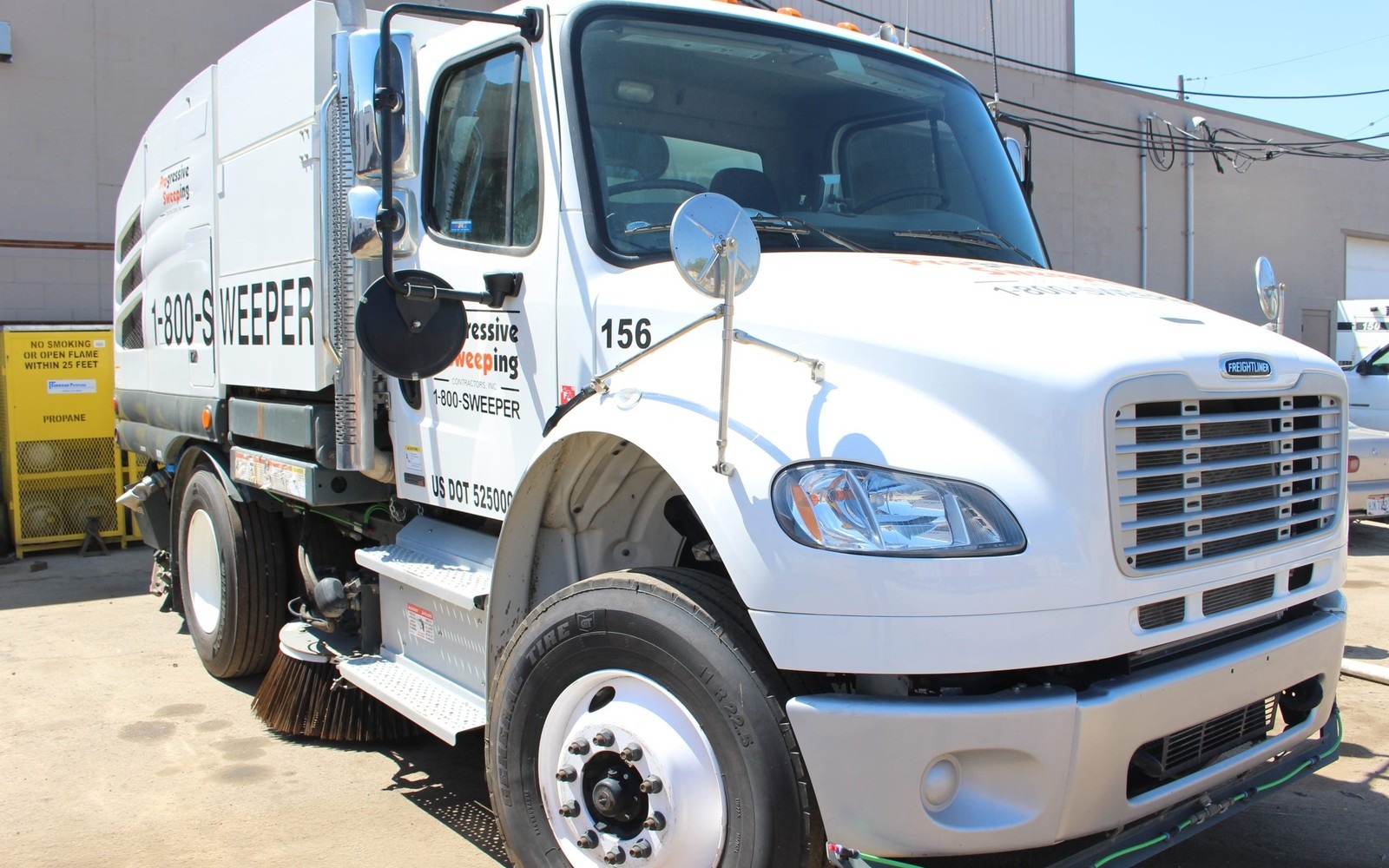
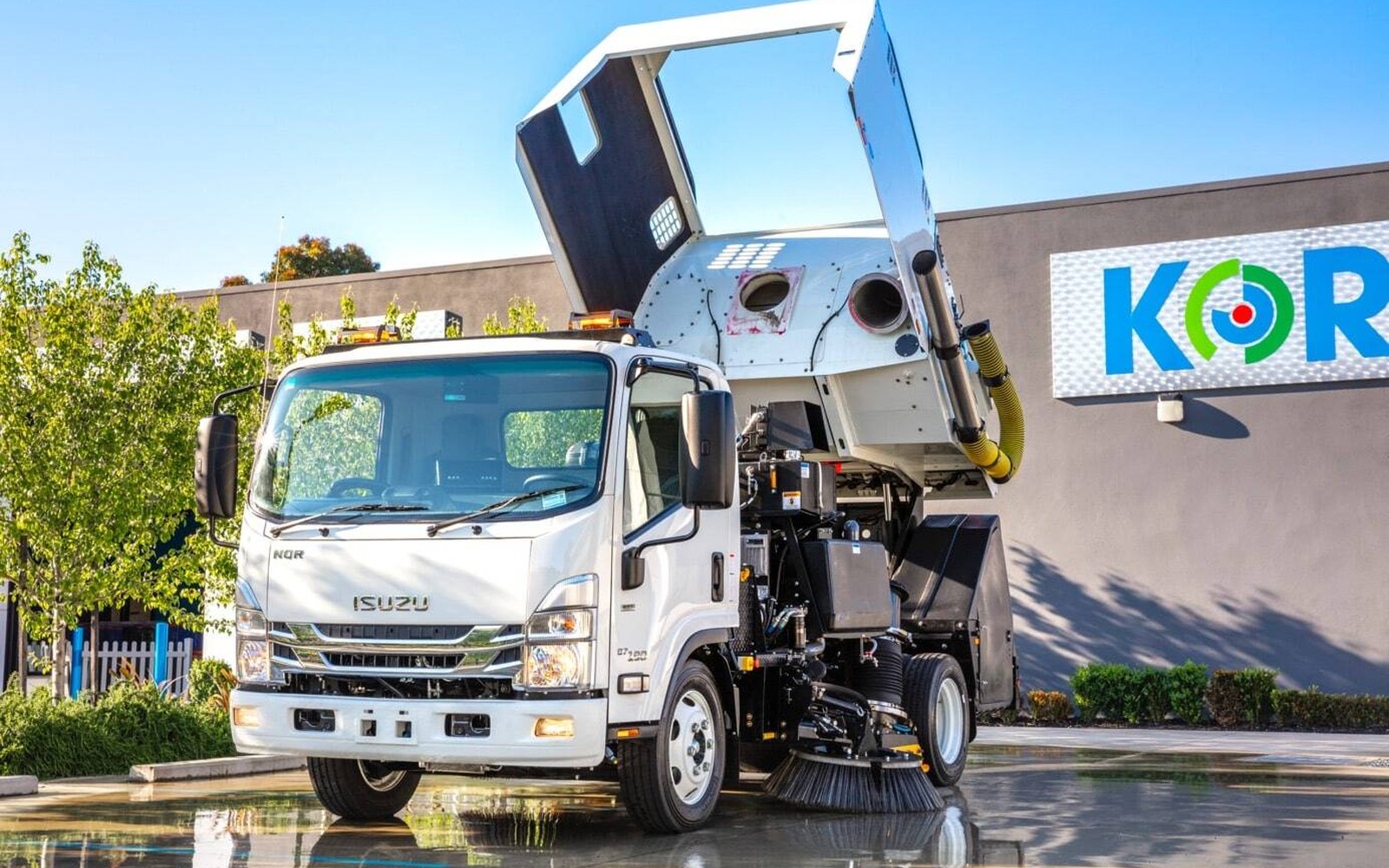
Mechanical broom sweepers are the workhorse choice for post-winter cleanup and heavy debris removal. The gutter broom sweeps material toward the main broom, which picks it up and deposits it into the hopper. They handle sand, gravel, leaf packs, and heavier debris effectively, and they are mechanically straightforward to maintain in a department shop.
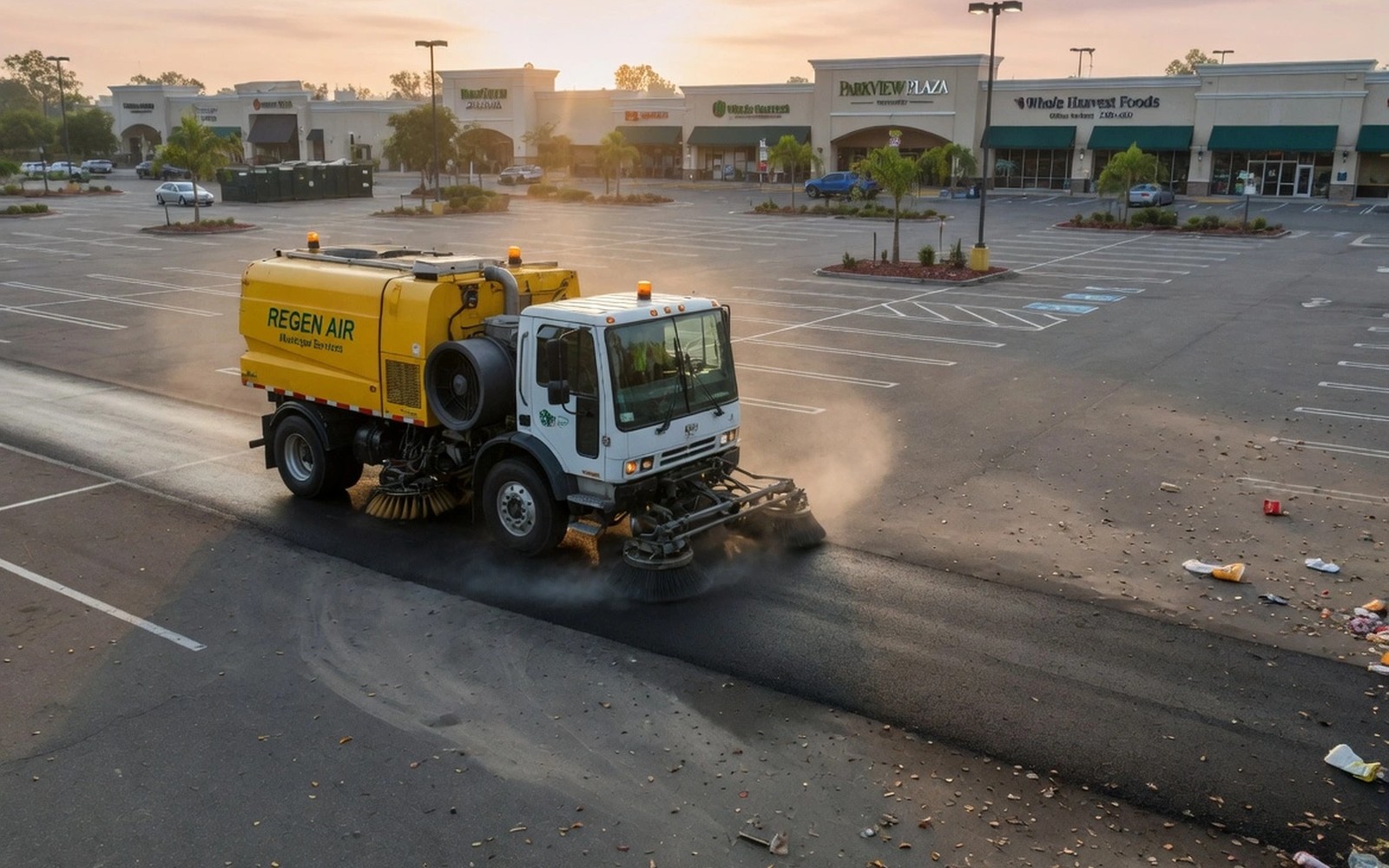
For departments that need to meet PM-10 air-quality requirements, a regenerative-air sweeper is the appropriate machine. These units recirculate air through the hopper to suppress dust at the pickup point, which keeps fine particulate matter from becoming airborne. Departments in non-attainment areas for PM-10 often have permit obligations that specify this type of machine.
Post-patch and post-crack-seal sweeping benefits from a dedicated pothole-patch sweeper, a specialized unit designed to clean aggregate and debris from freshly patched areas. Some departments run one of these in combination with their standard route sweeper rather than trying to do both jobs with a single machine.
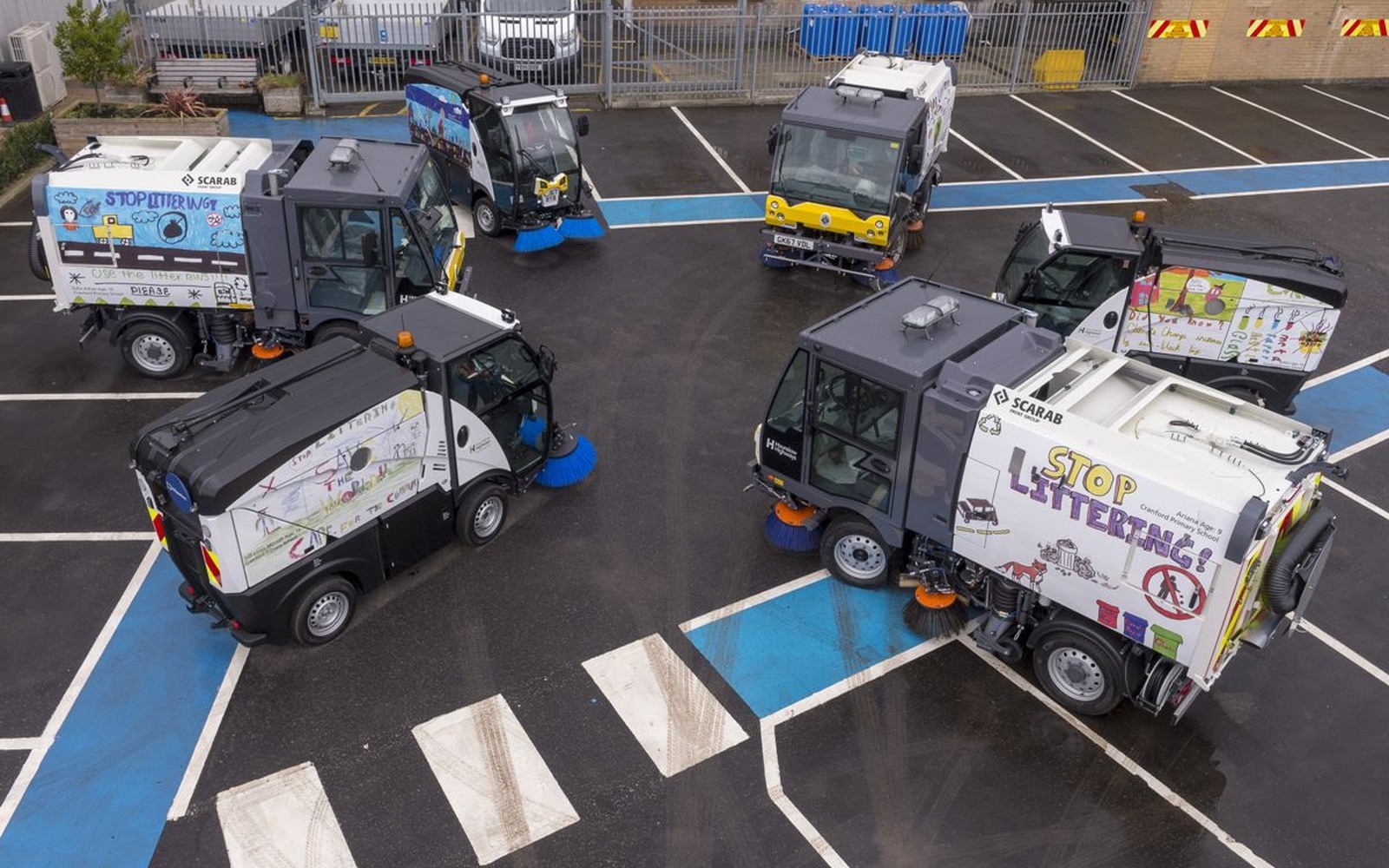
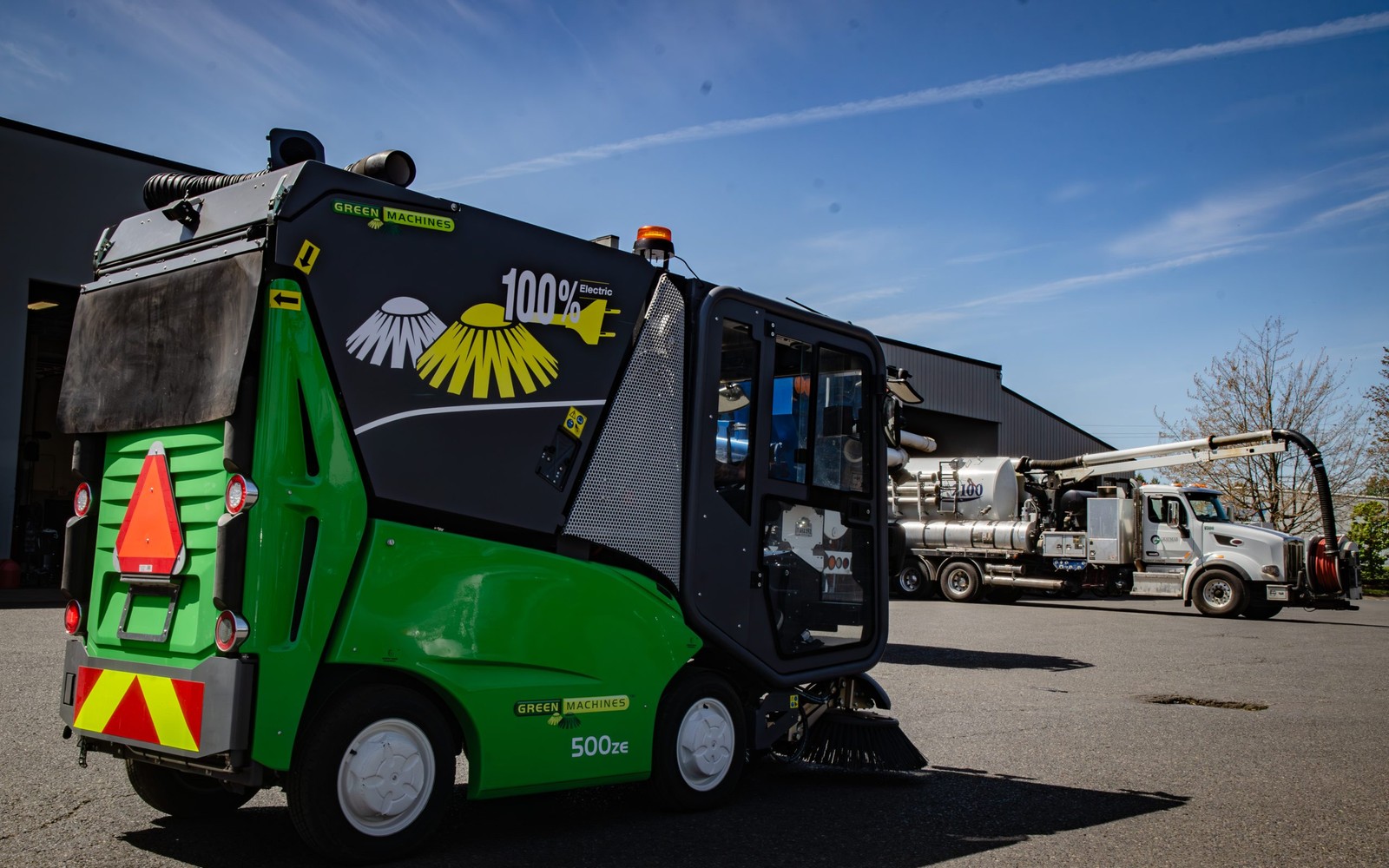
For tight urban street sections, alleys, and situations where a full-size truck-mounted unit is too wide, a compact street sweeper can fill in without requiring the operator to skip sections that the big unit cannot access.
Street maintenance departments sometimes carry equipment debt that was structured under different rate environments or at terms that are no longer optimal. If a department financed a sweeper three or four years ago at a rate that looks high relative to current market conditions, a sweeper refinance into a new structure can reduce the monthly obligation and free appropriation room for other equipment needs.
Sale-leaseback is less common in municipal contexts because of accounting treatment and political complexity, but it is available for some public entities and for private contractors operating under maintenance service agreements. An operator who owns a sweeper outright and needs working capital for a bid bond, insurance renewal, or crew expansion can pull equity from the machine without selling it by structuring a sale-leaseback through us.
For departments that have reached the end of a lease term and are considering whether to return the equipment or buy it out at fair market value, we can help analyze the buy-versus-return decision based on the machine's condition, hours, and what replacement equipment would cost to finance at current rates.
Street maintenance departments face a compressed procurement window every spring. The cleaning season starts, the request goes to the board or council, the vote happens, and then procurement begins. By the time a competitive bid goes out, awards, and delivery is scheduled, the heart of spring cleanup may be over.
Financing approval is one place where that timeline can be compressed without shortcutting the process. We can pre-approve a financing structure before the procurement bid is awarded, so the department knows the payment and term structure when the equipment purchase is approved. That removes one sequential step from the procurement chain and gets the equipment on the road sooner.
For emergency replacement situations, where a sweeper has failed mid-season and the department needs a machine immediately, we can also finance a used or demo unit on compressed timelines. A demo or low-hour street sweeper from a dealer's lot can often be funded and on-site in five to seven business days, which is sometimes the only way to salvage a season.
Spring does not wait for a slow procurement cycle. Tell us the machine and the timeline and we will structure the financing to match your appropriation calendar. We work with both government departments and private maintenance contractors.
Equipment questions
Clear answers before the equipment file moves to review.
Yes, county governments are eligible for municipal lease-purchase financing in most states. The structure works the same as for city or township entities: tax-exempt interest, non-appropriation protection, and terms aligned to your fiscal year. County road departments often benefit from slightly different documentation requirements than city entities, primarily around the governing resolution authorizing the purchase. We walk you through exactly what the board needs to pass.
Five to seven business days is achievable for an emergency replacement if we receive the application and supporting documents same-day. A used or demo unit is usually faster to fund than a new order because there is no manufacturing lead time. If you know which machine you are buying and can provide three months of bank statements or the municipal resolution, we start immediately. Emergency situations are ones where we prioritize turnaround.
Absolutely. Sourcewell, HGAC, Omnia, and state-specific co-ops establish the equipment price. We provide the financing separately. You show us the co-op purchase order or award letter, the equipment quote, and your standard municipal documents. The financing is independent of which purchasing vehicle you use to procure the machine.
State agency financing depends on the state's appropriation and financing authority. Some state DOT district offices have authority to enter into lease-purchase agreements directly; others require central procurement or legislative appropriation for multi-year commitments. We have worked with state-level entities and can help navigate which structure fits your authority. Call us with the specifics of your district and state and we will tell you what options are available.
Private contractors operating under government service contracts use standard commercial financing, not municipal lease-purchase. The contractor would apply as a business, provide three months of bank statements and the application, and we would evaluate the deal based on the contract revenue and their operating history. A long-term government service contract is strong supporting documentation for a commercial financing approval.
Keep exploring
Compare adjacent equipment, model, market, and service-area pages.
Equipment desk
Send the machine, seller, hours, and timing. The equipment desk will organize the next step.