Related financing path

Service Areas
Finance a street sweeper in Seattle. New or used, challenged credit reviewed, statement-based review below roughly $400k, funding paced to the completed file. Elgin, TYMCO, Schwarze and more.
Seattle's streets don't stop generating debris just because it's raining. Wet leaves pack into gutter brooms, sand and silt wash off construction sites into storm drains, and the Duwamish industrial corridor moves enough truck traffic to keep a sweeping crew busy year-round. If you're running contracts here, you know the work never really has an off-season. What changes is the type of debris and the equipment you need to deal with it.
We finance sweepers for Seattle-area operators: parking-lot contractors working the retail strips of Bellevue and Redmond, road-maintenance crews covering King County lane miles, and stormwater compliance operators who need stormwater-certified equipment to satisfy the city's municipal separate storm sewer system obligations. Our floor is $50k. Statement-based review below roughly $400k. funding paced to the completed file from a complete application. challenged credit run here just like anywhere else we operate.
King County is one of the most regulation-attentive jurisdictions in the Pacific Northwest. Seattle has a robust stormwater management program and actively enforces municipal code around street sweeping frequency in certain land-use zones. That creates a steady institutional demand for certified equipment, particularly units that can document PM-10 performance or satisfy the city's catch-basin loading requirements.
The construction market is also active. The Seattle metro has seen sustained commercial and residential development across Bellevue, Kirkland, Renton, and South Seattle. Construction cleanup contracts often require a construction site sweeper to keep the haul roads and public streets free of tracked-out material. General contractors on WSDOT projects are especially strict about this because state inspectors enforce it.
Port of Seattle and Port of Tacoma operations add an industrial sweeping layer. Container terminals, rail yards, and intermodal facilities all require regular port and intermodal sweeping, often around the clock. The machines that work those yards run long hours, and replacement cycles are shorter than in lighter-duty applications. Operators who work those accounts typically need financing on a predictable schedule.
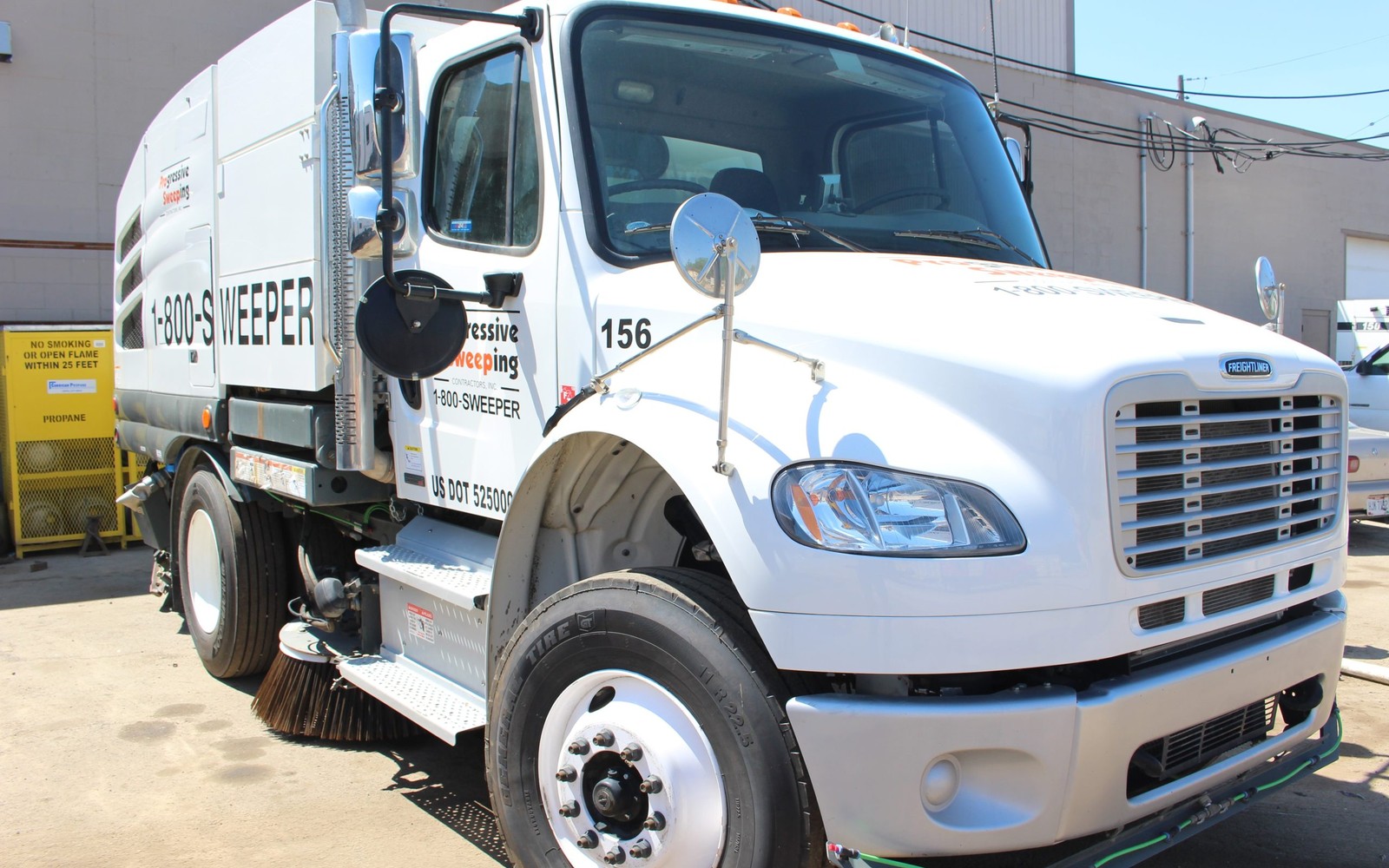
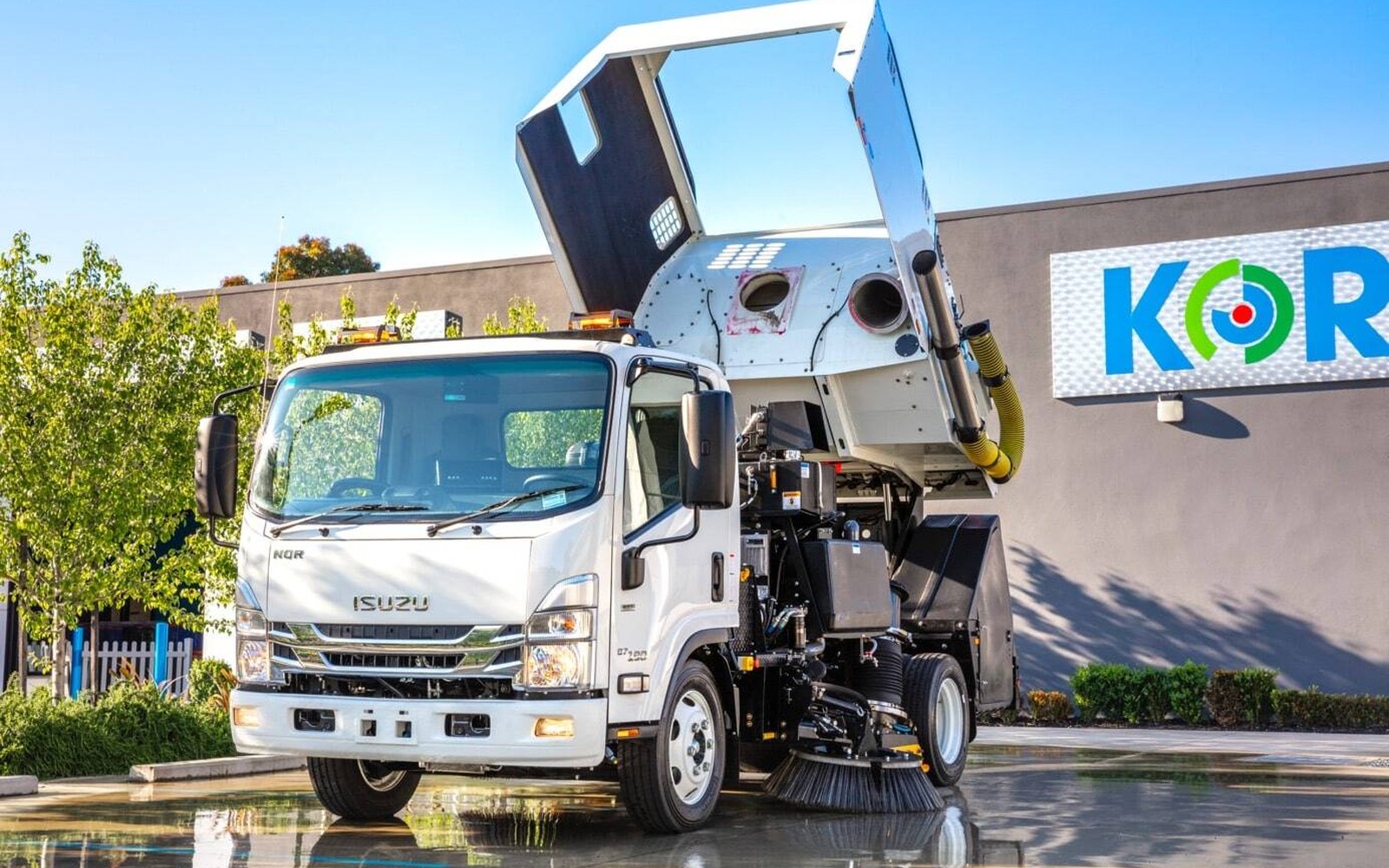
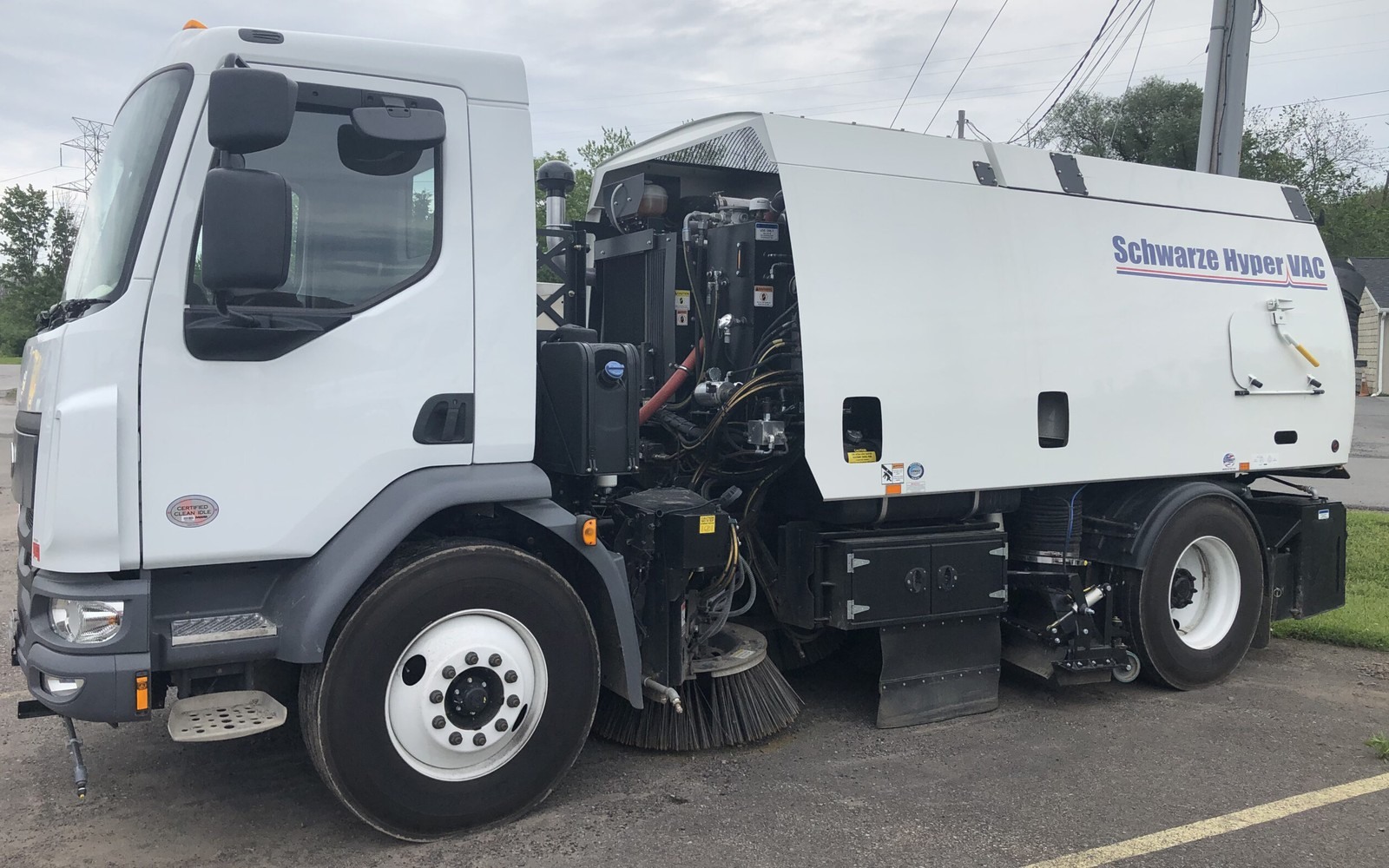
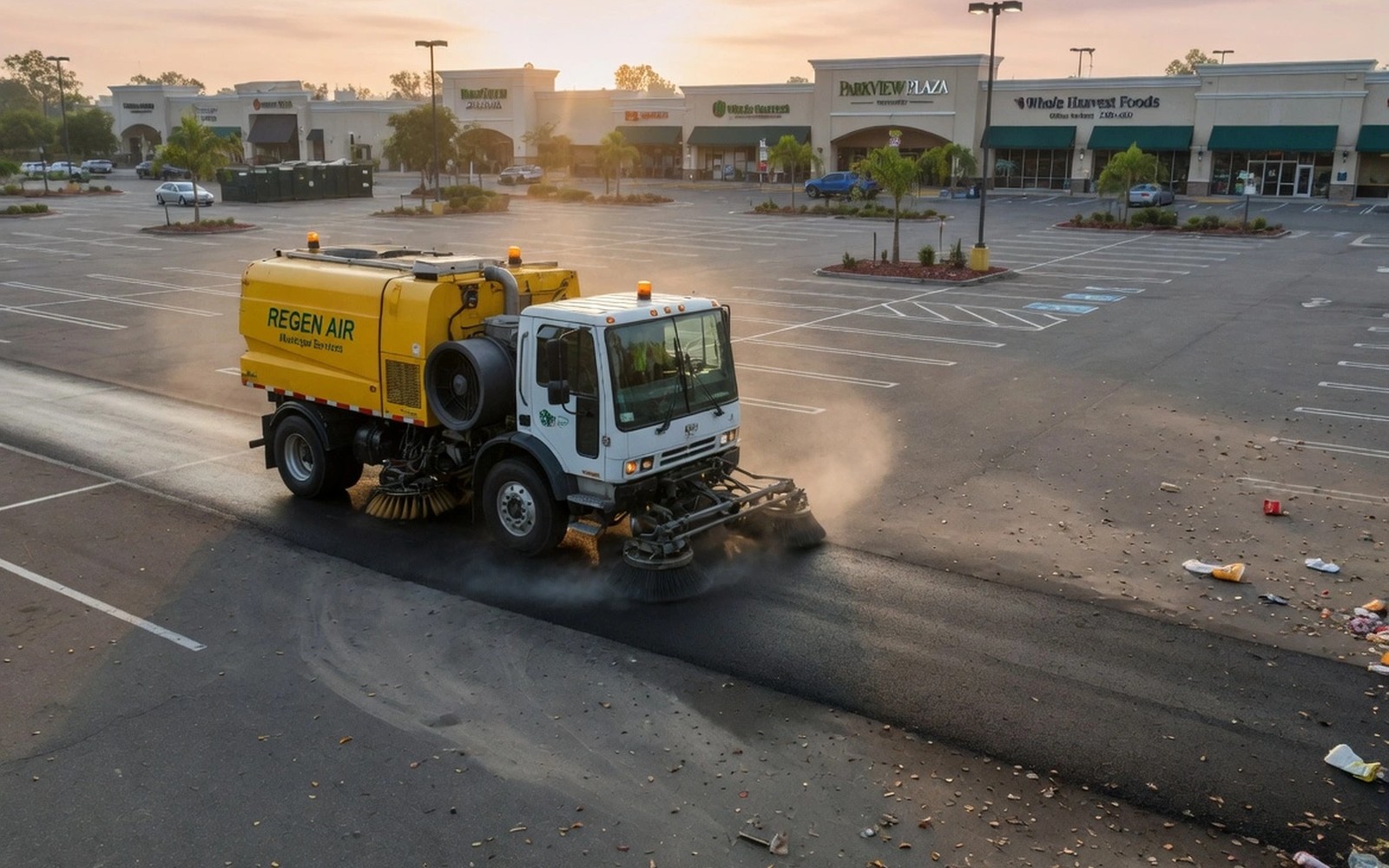
For wet-weather operation, regen-air units are the workhorse of the Pacific Northwest sweeping fleet. A regenerative-air sweeper picks up the fine silts and decomposed leaf material that wet conditions break down. Mechanical broom units are effective on dry grit but struggle in heavy wet debris without secondary conveyor systems. Most experienced Seattle operators run at least one regen-air unit, with a backup mechanical broom for heavy post-storm applications where debris volume is the constraint.
CNG-powered sweepers are worth a mention here. Seattle has natural gas infrastructure and several municipal and private operators have moved toward CNG to control fuel costs and satisfy fleet emissions requirements. Financing a CNG sweeper works the same as any other unit on our end. The machine just needs to exist as collateral with a clear title and a reasonable resale market.
High-dump units are popular on dense-route operations where tipping stations are farther apart. The TYMCO 500x and Elgin models with elevated dump capacity reduce cycle time on long urban routes. Those machines carry a higher sticker, often $220k-$290k new, which puts them squarely in our application-only range.
If you own a sweeper outright or nearly free and clear, a cash-out refinance converts that equity into working capital without selling the machine. Seattle operators have used this structure to cover fleet insurance renewals, hire additional drivers, or make a down payment on a second unit.
Sale-leaseback works similarly. You sell the machine to us, we fund you at fair market value, and you continue operating it under a lease payment. The cash comes back into the business and the equipment stays on the road. It's a common move for operators who bought a unit outright and are now sitting on tied-up capital they'd rather have liquid.
Refinancing an existing loan is also possible if rates have shifted or you need to extend the term to lower the monthly payment. Send us the current payoff and we'll tell you quickly whether restructuring makes sense given your remaining balance and the machine's current market value.
The Duwamish doesn't care what time it is. Three months of bank statements, a ten-minute application, and we'll have a term sheet back to you in a week. New or used, B or C credit, $50k and up. You run the route; we handle the paper.
Equipment questions
Clear answers before the equipment file moves to review.
We finance both CNG and diesel, as well as electric units and propane-powered sweepers. The fuel source doesn't change the underwriting process. What matters is the machine's value, title, and operating condition.
Yes. Private-party purchases are fundable as long as the title is clean and we can verify the seller's ownership. The process takes a day or two longer than a dealer purchase because we confirm the title chain, but it works.
No. We don't restrict financing by city or county. We underwrite the business and the equipment, not the geography of the route.
Yes. A documented municipal contract is strong supporting evidence of recurring revenue. Include a copy of the contract scope or the purchase order and we'll factor it into the underwriting.
Most lenders want to see at least six months of operating history. Two years in business makes the deal smoother. New businesses can sometimes qualify with strong bank deposits and a solid contract in hand, but those deals require more documentation.
Yes. A fleet purchase or a two-unit deal is structured as one transaction if the machines are being acquired at the same time. We size the deal off the combined amount and the same bank-statement package covers both units.
Keep exploring
Compare adjacent equipment, model, market, and service-area pages.
Equipment desk
Send the machine, seller, hours, and timing. The equipment desk will organize the next step.