Related financing path

Sweeper Types
Finance dual gutter-broom sweepers for arterial curb lines, municipal routes, and contractor fleets. minimum ticket starts near $50,000, challenged credit reviewed, funding paced to the completed file.
Curb gutter is where the debris accumulates, and gutter brooms are what move it. A dual gutter-broom sweeper runs two rotating broom arms simultaneously, one on each side, which means a single pass down the center of a two-lane street can work both curb lines at once. That doubles the linear footage you can sweep per shift on a road where both gutters need attention, and it makes the dual-broom configuration the preferred setup for municipal arterials, divided roadways, and any route where time-per-mile is the productivity measure that matters.
Most truck-mounted mechanical sweepers sold today are dual gutter-broom units. The dual-broom layout is standard rather than exceptional on full-size machines. What distinguishes a dual gutter-broom sweeper as a specific category is the combination of dual side arms extending to both curb lines plus a main broom, all operating in a single pass. Where a single-broom unit works one side and requires a second pass for the opposite curb, the dual setup finishes the street in one run.
Pricing on dual gutter-broom mechanical sweepers tracks closely with mechanical broom sweepers overall, since dual brooms are built into most mid-size and large truck-mounted units. New machines run $180,000 to $270,000; used units in service-ready condition come in around $80,000 to $140,000. We finance dual gutter-broom sweepers from $50,000 up, new or used, B or C credit considered, closed in about one to two weeks. Tell us what you're buying and we'll get the deal structured.
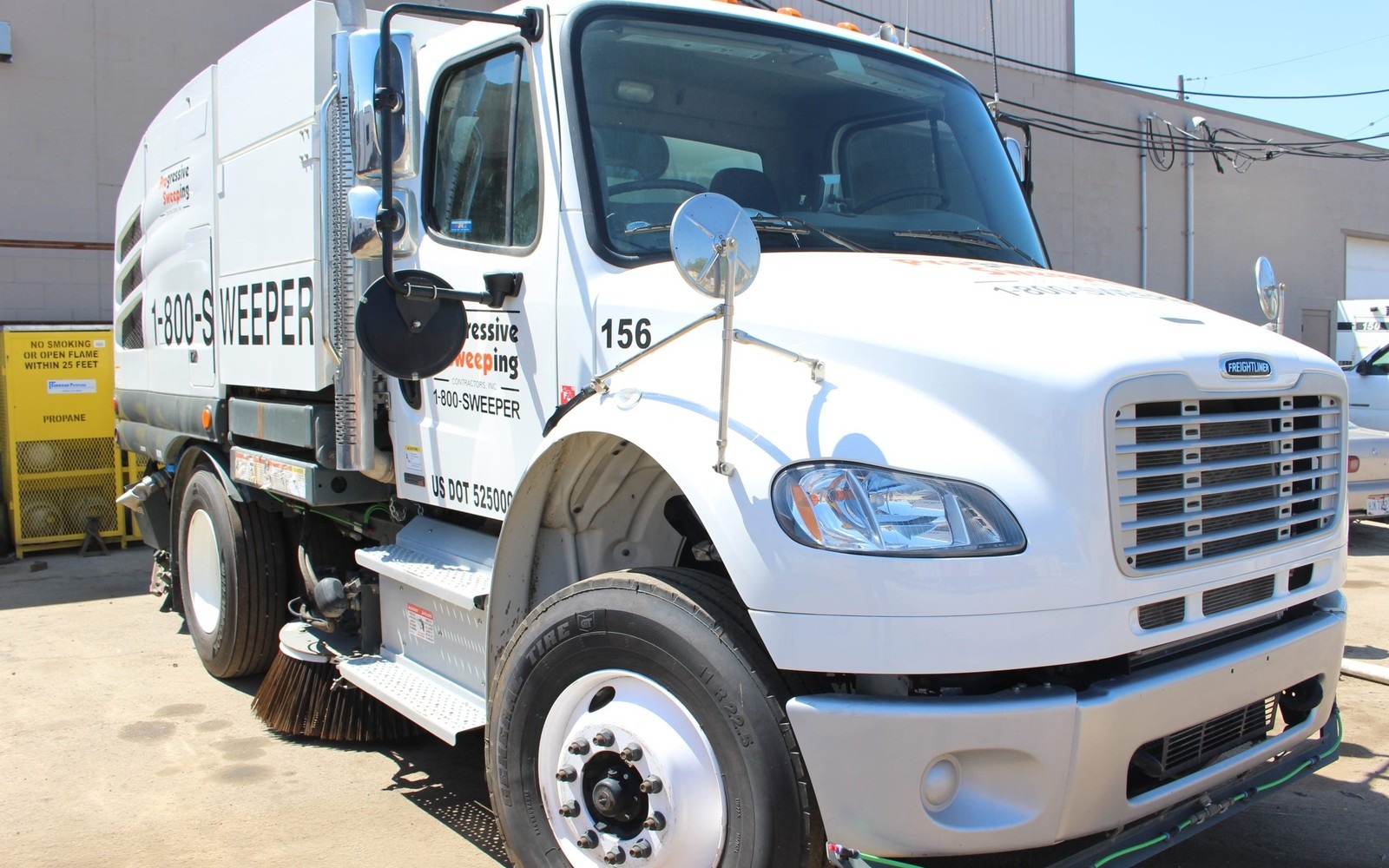
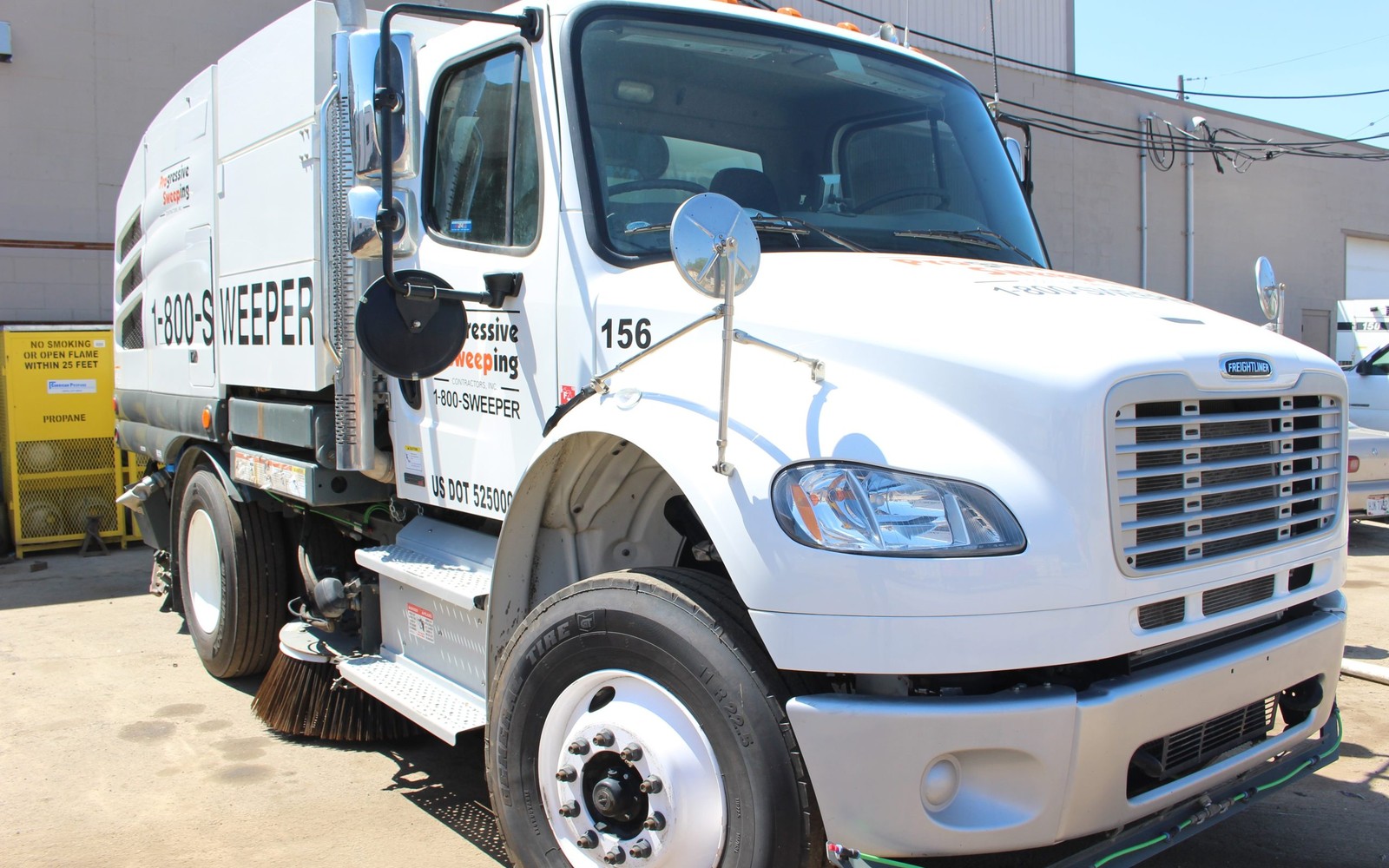
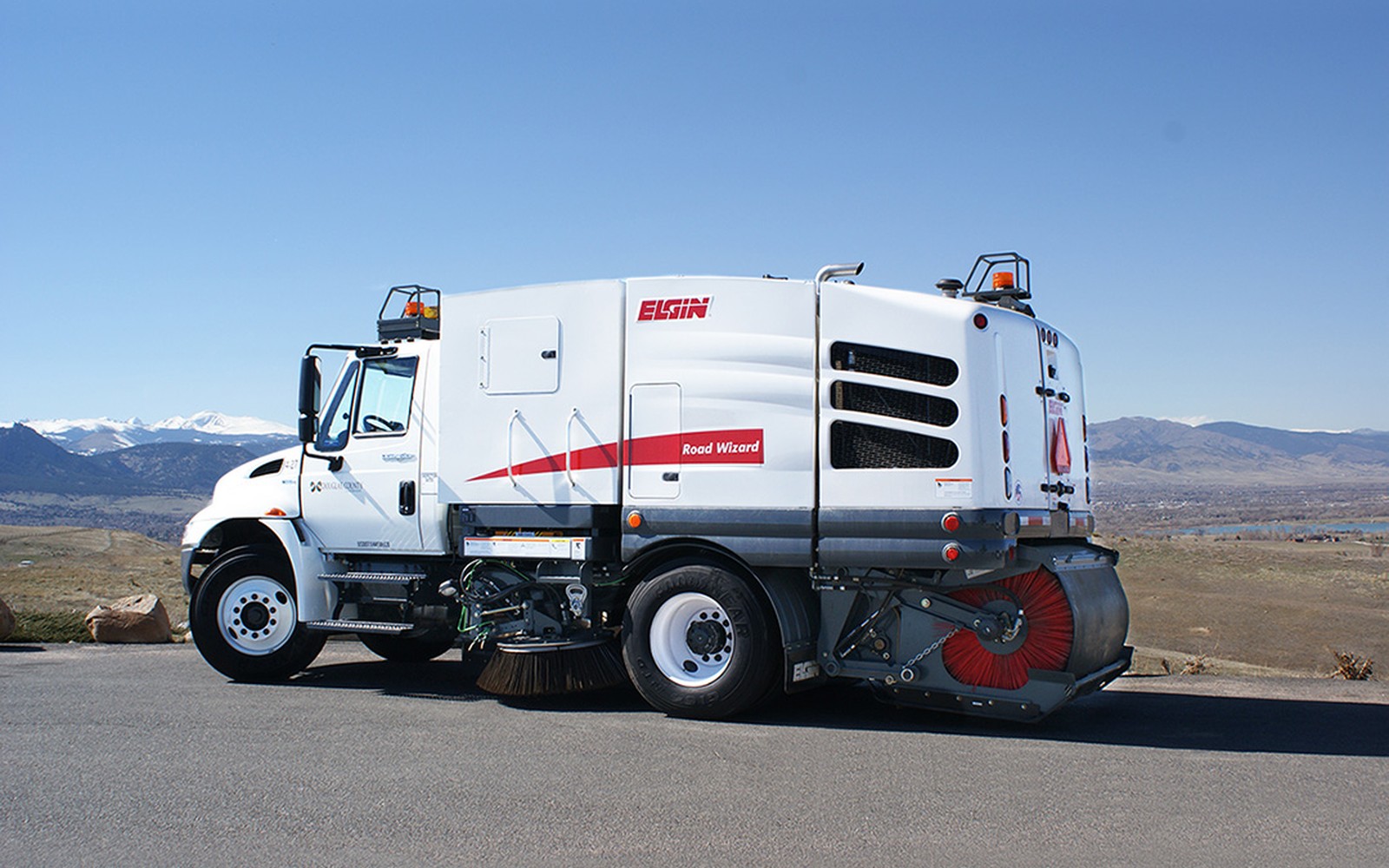
A gutter broom is a circular rotating brush mounted on an articulating arm that extends from the side of the sweeper chassis. The arm swings out to position the rotating broom against the curb face and gutter channel. The broom's rotation direction moves debris away from the curb and toward the center of the sweep path, where the main broom picks it up and drives it into the hopper.
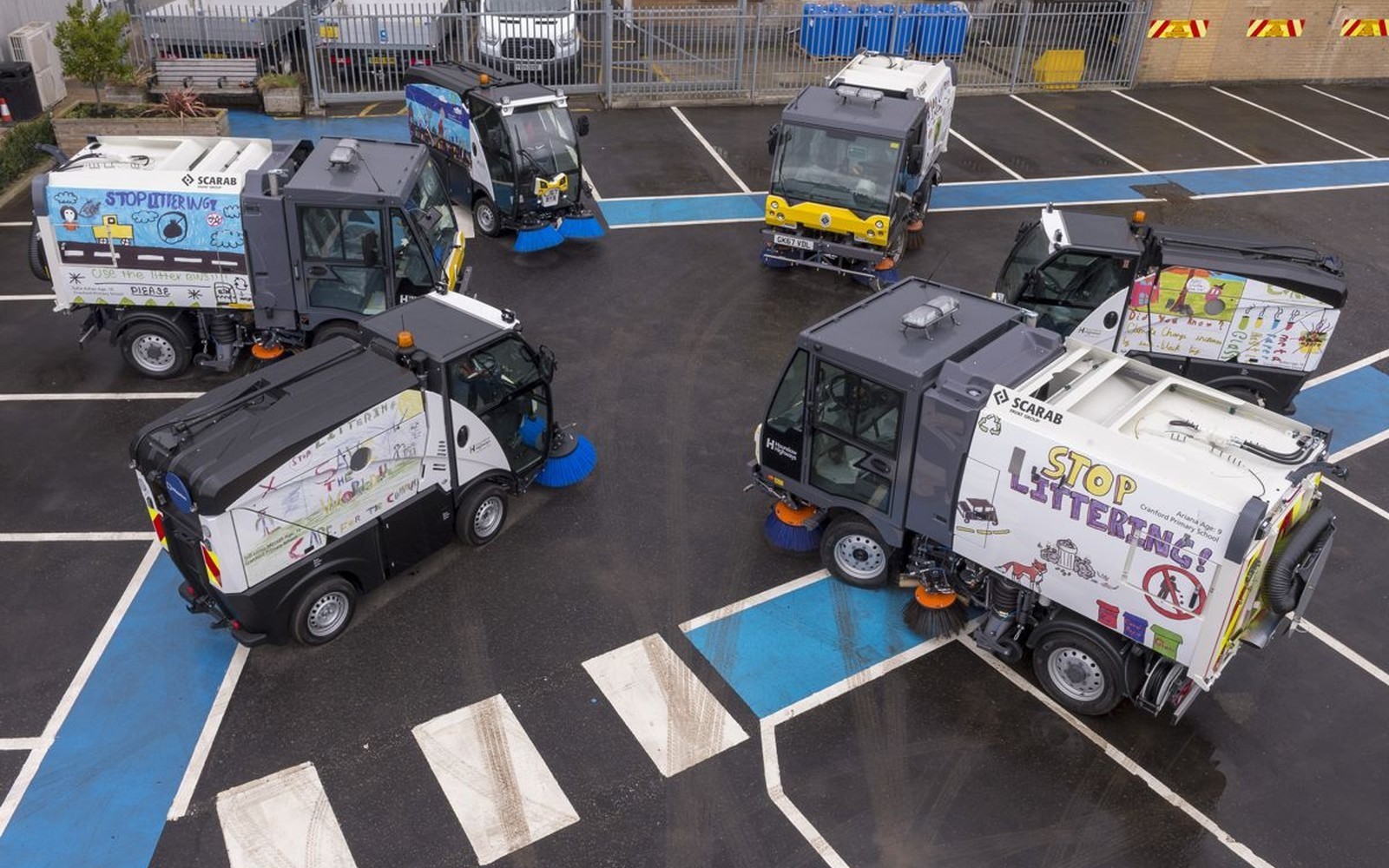
On a dual gutter-broom machine, two articulating arms are installed, one on the passenger side and one on the driver side. Both extend and rotate simultaneously. This means the sweeper is working the right-side gutter and the left-side gutter in a single pass. On a residential street with parking on both sides, a crew sweeping after a street-cleaning notice can clear both sides in one run instead of two. On a divided arterial, the dual brooms extend to reach both sides of the travel lane where debris accumulates at the painted curb or median barrier.
Gutter broom arm maintenance is the highest-frequency maintenance item on mechanical sweepers. The articulating arm pivots under hydraulic pressure on every turn, and the broom core wears through regular contact with curb faces. Dual-broom machines double the number of arms and cores to manage. Operators who run dual-broom routes need a consistent broom replacement schedule and a good parts supplier. That is an operating cost consideration when financing: budget for broom replacement as a regular line item, not an occasional surprise. The gutter broom assembly itself is a separate consumable from the main broom and needs its own maintenance budget.
Municipal street departments writing spec documents for new sweeper procurement almost always specify dual gutter-broom configuration because the productivity gain on city routes is significant. A crew that can clear a full street width in one pass covers more blocks per shift, which matters in cities with large residential sweeping programs that run on fixed weekly schedules. Municipal public works departments in cities with aggressive stormwater pollution prevention programs also use dual gutter-broom machines because gutter debris removal is specifically measured as a pollutant load reduction strategy.
Private sweeping contractors who have grown into municipal subcontracts or state DOT corridor work need dual gutter-broom capability to handle the route specifications those contracts require. A contractor running a single-broom unit on a contract that specifies dual-side gutter sweeping is in violation of the contract terms. Specifying the right machine at the time of purchase matters for compliance. Sweeping contractors bidding public works contracts need to read the spec sheet before they buy the equipment, not after.
Road paving and milling contractors who sweep millings and base material from milled road surfaces before overlay also run dual gutter-broom machines. After a milling machine passes, the edge lines of the milled surface are where aggregate piles accumulate. Dual brooms on the sweeper behind the milling train clean both edges in a single pass, which keeps the paving operation moving without the sweeper becoming the bottleneck. Paving and milling contractors often buy or lease sweepers on project-based terms tied to specific contract durations.
The financing structure for a dual gutter-broom sweeper follows the same path as any truck-mounted mechanical sweeper. Statement-based review below roughly $400,000, three months of bank statements, credit decision in one business day. We close most deals in one to two weeks. Term lengths of 36 to 72 months are available; 48 and 60 months are the most common choice on equipment landing between $150k and $250k.
If you are financing a dual gutter-broom unit for a new municipal contract, the contract itself is useful context for the lender. A signed contract with a public-entity client demonstrates revenue visibility that helps offset other risk factors in the credit file. We accept contract documentation as supporting evidence in the underwriting, though it does not replace the bank statements as the primary cash flow indicator.
Lessees who have run a machine for three to five years and want to upgrade to a newer dual gutter-broom unit can often structure the deal around the trade-in value of the old machine. The trade-in equity reduces the net amount financed on the new unit and can lower the monthly payment or allow a shorter term without a higher payment. Street sweeper lease structures with built-in upgrade options at term end are available for contractors who expect to rotate to newer equipment on a regular cycle. Sweeper refinance is also an option if you own the current machine and want to restructure the debt or pull cash out for broom replacement stock or a second unit deposit.
Dual gutter-broom sweepers are the standard for serious municipal and contractor work. We finance them new and used, for city fleets and private operators, at every credit level that makes sense for the cash flow behind the deal. Application and three months of statements is the starting point. We move fast from there.
Equipment questions
Clear answers before the equipment file moves to review.
If you have equity in the current machine, a cash-out refinance or sale-leaseback can pull that equity out as cash. You would use that cash toward the purchase of the dual-broom unit and finance the remaining balance. Two transactions, but we can run them in parallel if timing is tight.
Yes. Dual gutter-broom sweepers on licensed commercial truck chassis qualify as over-the-road motor vehicles for TRAC lease purposes. The TRAC structure provides a terminal rental adjustment clause at the end of the lease, which gives you flexibility on the buyout based on actual market value at that time.
Lenders do not care about the equipment specification in that sense; they care about the machine's market value and your ability to repay. The contract documentation matters to us only as evidence of forward revenue. How you document the equipment configuration for your municipal client is between you and the contract.
Two weeks is tight but possible on a clean file if the machine is ready to go and the seller has paperwork in order. Submit the application and bank statements today. We prioritize speed on time-sensitive deals. The most common delay is waiting on the seller to return the invoice and title paperwork, so have that conversation with the seller immediately as well.
We do not have a hard floor score that automatically disqualifies a file. We look at the whole picture: bank statements, time in business, contract revenue, and collateral value. A score below 600 is difficult but not impossible if the cash flow is strong and the deal is well-structured. Below 550 with no mitigating factors is very hard. Tell us your situation and we will give you an honest read.
Keep exploring
Compare adjacent equipment, model, market, and service-area pages.
Equipment desk
Send the machine, seller, hours, and timing. The equipment desk will organize the next step.