Related financing path

Sweeper Types
Finance a vacuum leaf collector for fall cleanup contracts, municipal leaf programs, and landscaping crews. Programs start near $50,000 with challenged credit reviewed. Funded in a practical closing window.
Leaf season is predictable and it is short. Six weeks, maybe eight, and every crew with a vacuum unit is running double shifts to clear the backlog before the first frost turns the whole pile to mat. The operators who got the contracts and own the right equipment make the money. The ones who tried to manage it with push blowers and dump trucks watch the contracts go to somebody else next year.
A dedicated vacuum leaf collector is purpose-built for this work. The machine pulls leaves and light organic material off curbs, gutters, and windrows into a sealed hopper body, compacts the load, and dumps without leaving the cab. On a tight residential street where blower-plus-loader setups need a second operator and a separate truck, a vacuum unit runs one person and moves faster. The economics are compelling once the machine is paid for, and financing is how you get there without draining the operating account in August.
We finance vacuum leaf collectors from $50,000. Truck-mounted units on a full-size chassis, trailer-mounted single-fan units for smaller operations, and combination sweeper-collector machines all qualify. Three months of bank statements, an application, and we close most deals inside two weeks. challenged credit considered. Seasonal payment structures are also available for operations where cash flow concentrates in fall billing cycles.
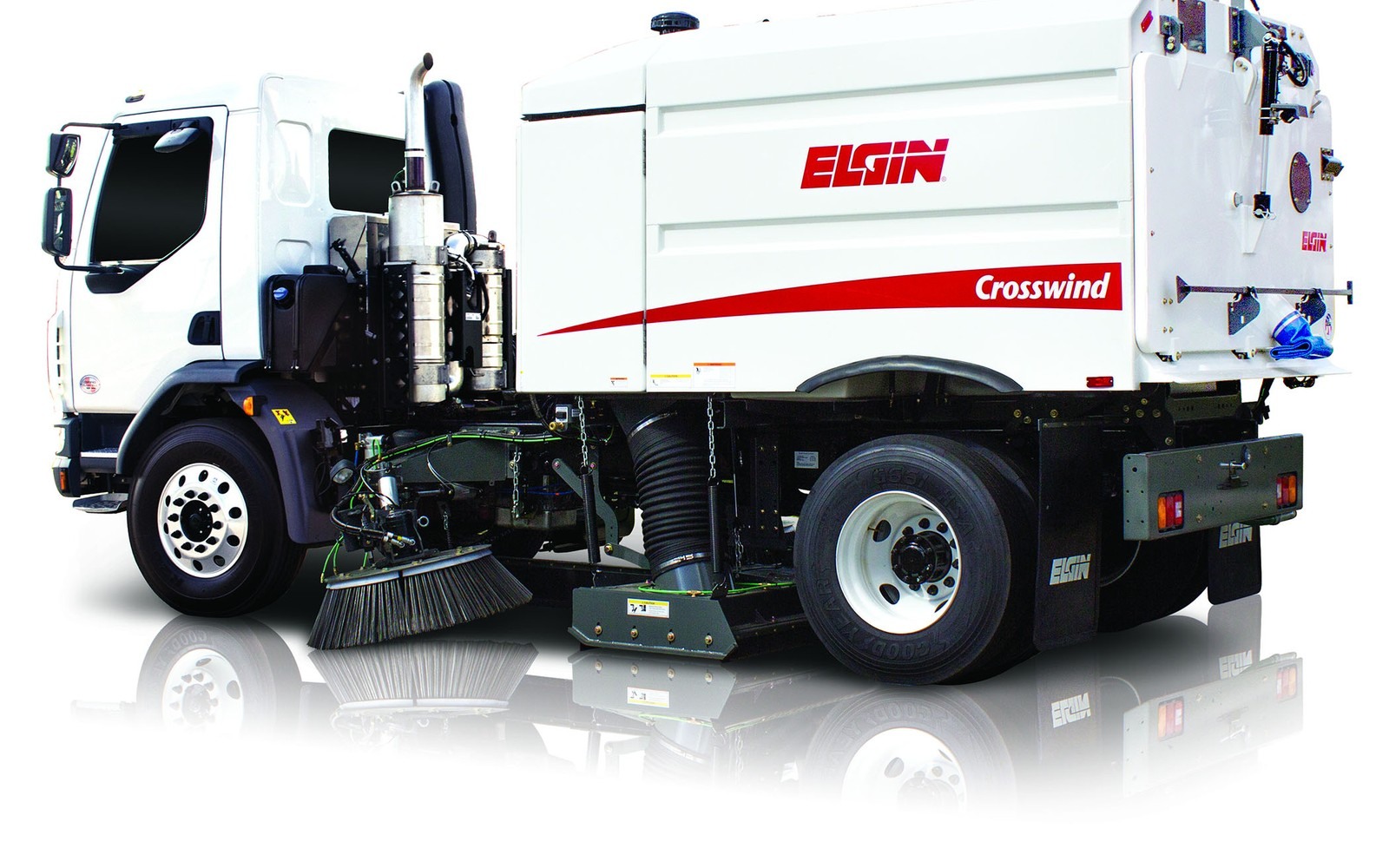
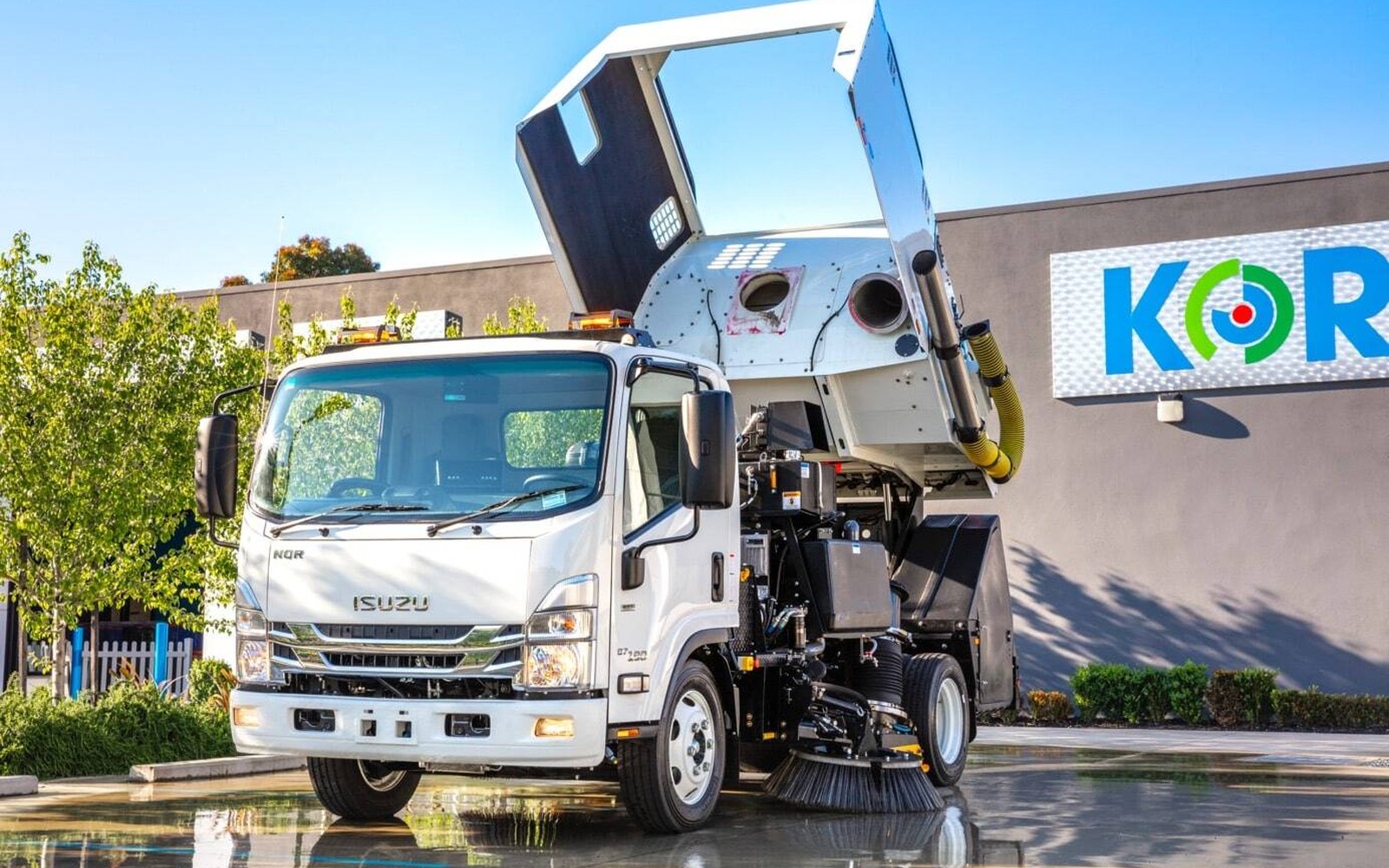
Truck-mounted leaf vacuums are the standard for municipal and large-contractor operations. The unit mounts on a cab-chassis, typically single or tandem axle, with a large fan impeller driven by a separate auxiliary engine or by PTO. The intake hose or curb-intake slot pulls material off the road surface, and the fan accelerates it into the hopper body. Hopper sizes on full-size municipal units range from about 8 cubic yards to 15 or more, depending on body configuration and chassis rating. High-dump options let the operator discharge into a large trailer or dumpster without a ground-level dump pad.
Trailer-mounted vacuum units are common for landscaping companies and smaller municipalities that want vacuum capability without investing in a full truck-mounted system. The trailer pulls behind a pickup or a light-duty dump truck, handles a narrower intake width, and is easier to transport between work sites. They finance at lower price points, often landing between $50k and $100k depending on the fan size and hopper capacity.
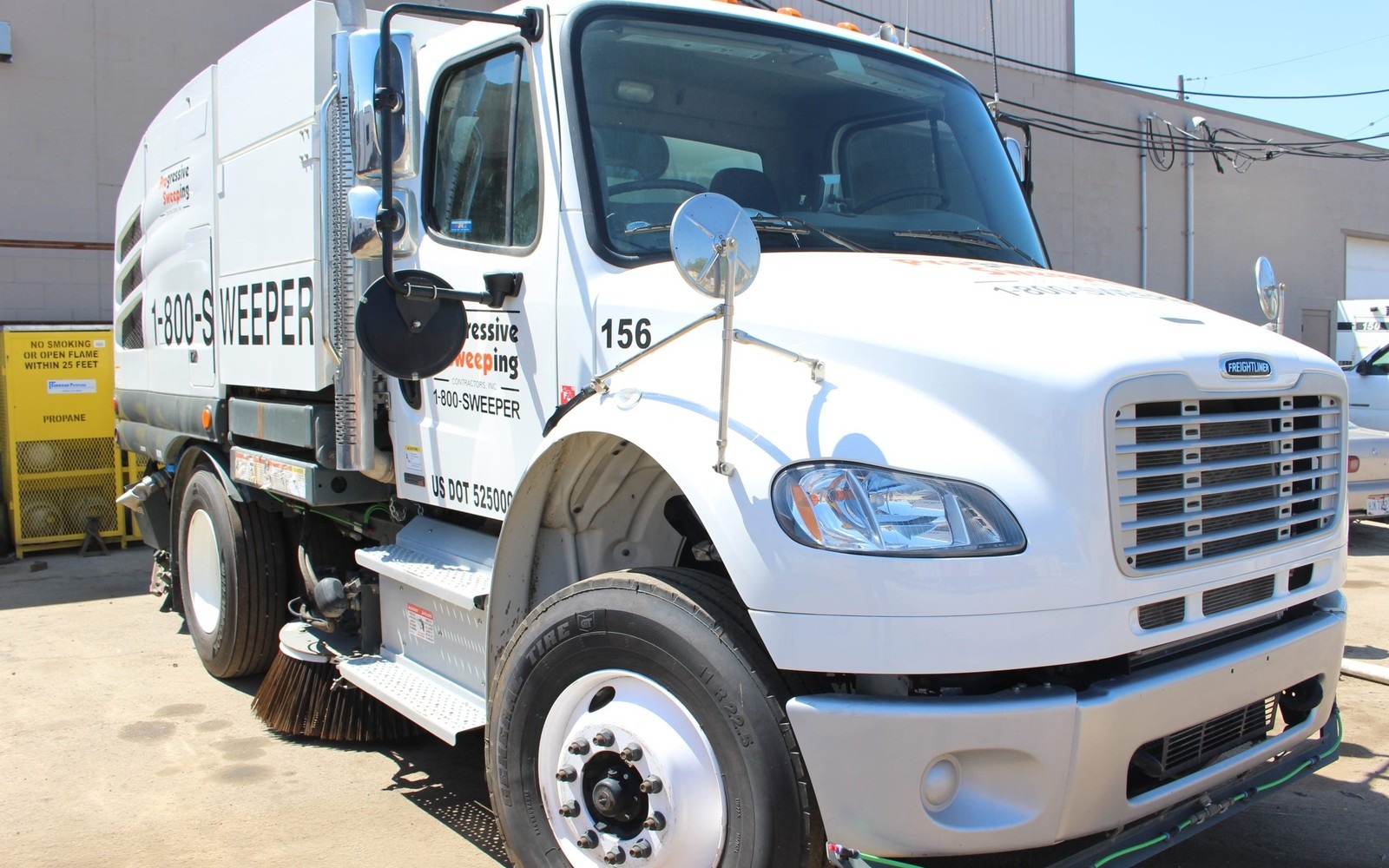
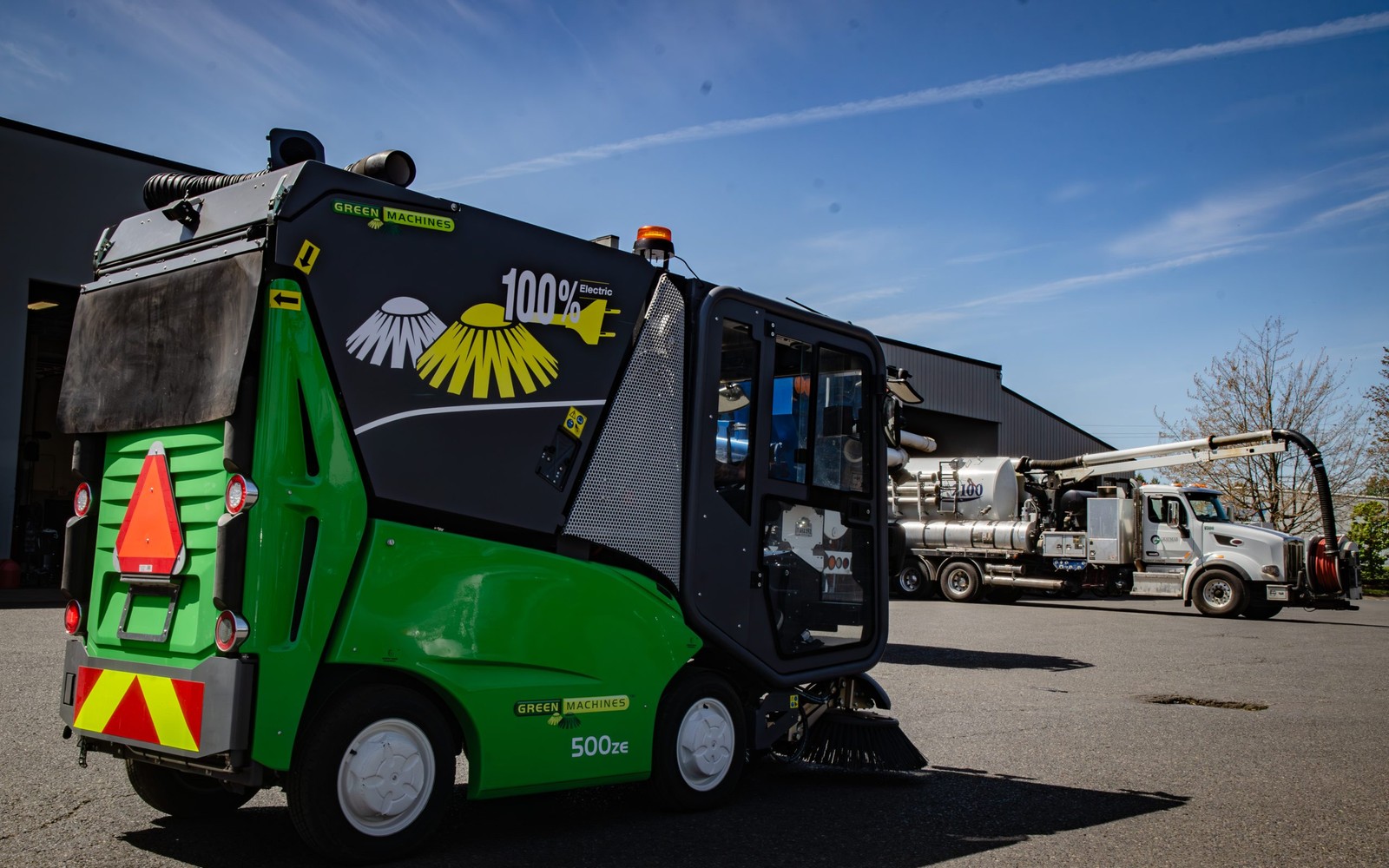
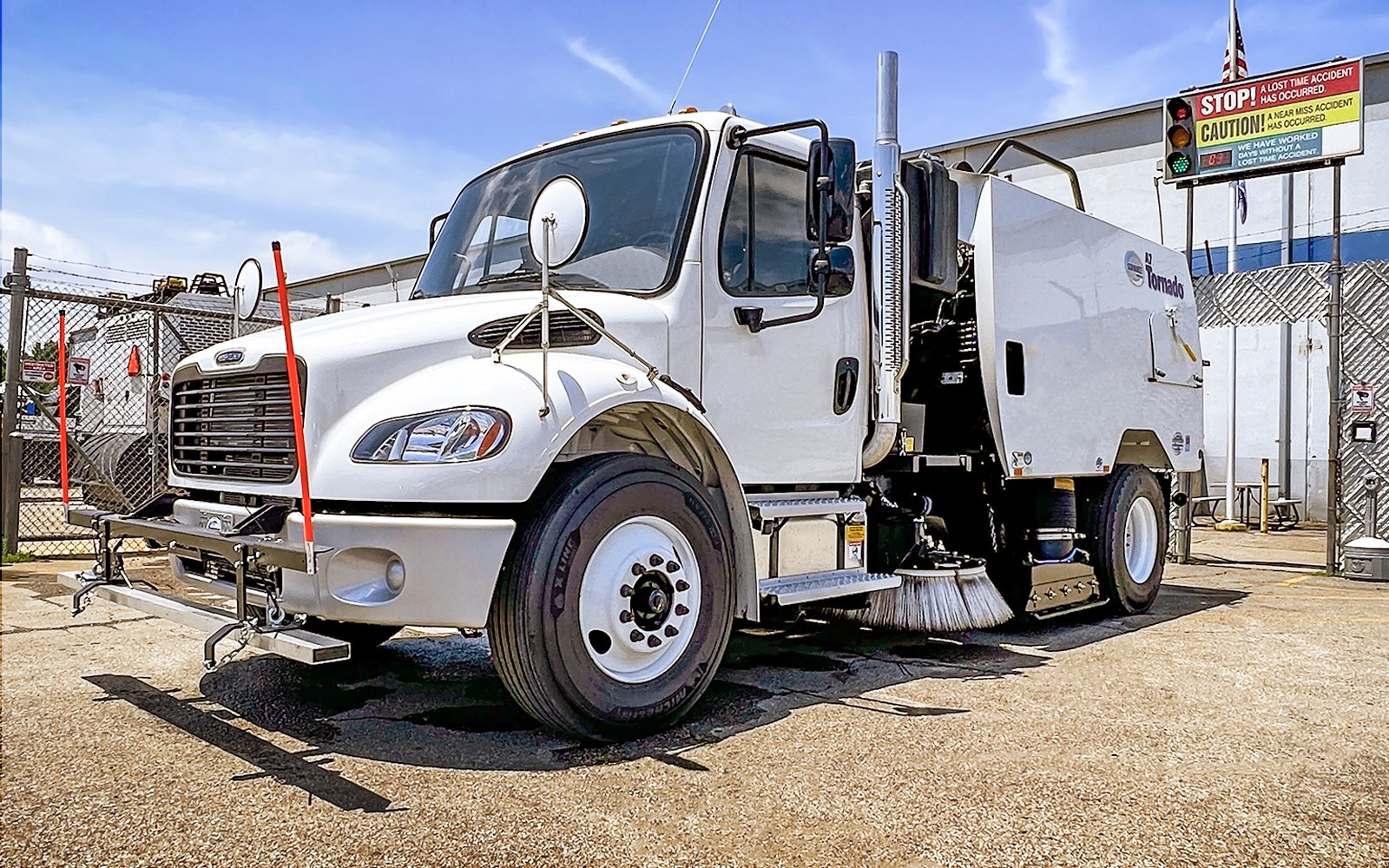
Combination sweeper-collector machines blend the curb-sweeping function of a street sweeper with the high-volume leaf and debris collection capability of a dedicated vacuum unit. These are popular with municipalities that want one machine to handle spring street sweeping and fall leaf programs without running two separate pieces of equipment. A combination sweeper configured for leaf work can be the most efficient single-purchase answer for a municipal public works department with a limited fleet budget.
Impeller design matters on vacuum leaf collectors. A semi-open impeller handles mixed debris including sticks, acorns, and small stones without jamming as readily as a closed impeller. Ask about impeller material and fan housing thickness when evaluating machines for heavy-use municipal service, because fan wear on high-grit debris loads is a real operating cost.
Municipal public works departments in deciduous-tree climates are the largest buyers. A municipality that runs a curbside leaf pickup program serving residential neighborhoods typically needs at least one dedicated vacuum unit, and larger communities run two or three to keep up with the volume. The machines are often financed through municipal lease-purchase agreements timed to the equipment budget cycle.
Landscaping and grounds maintenance companies add vacuum leaf collectors when they scale into municipal or large commercial leaf contracts. A company that has been managing a community's landscaping year-round and wants to add the fall cleanup contract needs the equipment to deliver it. A trailer-mounted or truck-mounted vacuum unit is the machine that makes that contract viable without an army of laborers.
HOA management companies and large property management portfolios with multiple residential communities sometimes own their own leaf vacuum rather than contracting out. The economics depend on the property count and the concentration of leaf-drop volume. When the machine can stay productive across multiple properties in a tight geographic area through the fall season, ownership can outperform service contracts.
Sweeping contractors who already run routes in northern and mid-Atlantic markets often add vacuum leaf capability as a natural seasonal extension of their business. The customer relationships are already there. The equipment need is seasonal but real. Financing a leaf vacuum adds a productive fall revenue stream without starting a separate business.
This is one of the more time-sensitive equipment purchases in the sweeping industry. If you close financing in late August or early September, the machine is on the road before the first major leaf drop. If you wait until October, you are running behind the season and your first-year contract performance will reflect it.
One to two weeks is our typical close time from complete documentation to funded deal. That timeline is not a rough estimate. It is what happens when the application, the bank statements, and the machine information come in together and cleanly. Incomplete documentation adds time. A private-party purchase with title complications adds time. A dealer transaction on a machine in stock closes faster.
For operators who want to lock in a machine they found in August but do not need the cash to flow until September, we can structure the transaction around a specific funding date. Pre-approval is also available so you can shop with confidence before you identify the exact unit.
Seasonal deferred-payment financing is available for vacuum leaf operations where the revenue concentration is in fall. A deferred start on the payment schedule can match the first payment to when the contract checks start arriving rather than requiring a payment before the machine has earned its first dollar. Talk to us about how the structure works and whether it fits your situation.
New vacuum leaf collectors come with full warranty coverage, a machine that has not been run in municipal service through multiple heavy fall seasons, and the current generation of impeller design and hopper materials. For a municipality or contractor planning to run the machine hard for the next eight to twelve years, new can be worth the premium. The total cost of ownership over a long service life often justifies the higher initial price.
Used units, especially those coming off municipal fleet replacements or from operations that sold their contracts, often have significant remaining service life at a much lower price point. A five-year-old truck-mounted vacuum unit with documented service history is a reasonable buy for an operator entering the leaf collection market for the first time. We finance used street sweeper and vacuum units routinely, and the process works the same as financing new equipment.
Condition inspection matters more on used vacuum collectors than on most other sweeping equipment because the fan impeller, fan housing, and hopper liner take the hardest wear on these machines. A pre-purchase inspection by a mechanic familiar with the make and model is worth doing before you commit to the purchase price. If the impeller needs replacement, factor that into the economics. A worn impeller on a full-size truck-mounted unit is not a small expense.
The leaves come down on the same schedule every year. The contracts go to the crews who show up with the right machine. Send us what you want to buy, the price, and three months of bank statements. We fund vacuum leaf collectors from $50k, B or C credit considered, and we close in about two weeks. Get ahead of the season.
Equipment questions
Clear answers before the equipment file moves to review.
Yes. Seasonal-use equipment finances the same as year-round equipment. The loan term and payment do not care about seasonality. What matters is that your overall business cash flow can service the payment, whether the revenue comes in year-round or concentrates in fall. Many leaf-program operators have other services that generate revenue through the rest of the year.
Yes, seasonal deferred-payment financing is a real product for equipment with known seasonal revenue patterns. The structure typically involves a deferred first payment, sometimes by 60 to 90 days, or a reduced payment for the off-season months with higher payments during the revenue season. The specific terms depend on the deal and the lender. Ask us to walk through a seasonal structure if your revenue is concentrated in fall.
Municipal lease-purchase agreements can sometimes be structured to bridge budget cycle timing issues. Short-term rental-to-purchase arrangements are another option some municipalities use for immediate needs. Talk to us about the timeline and the budget constraints. We have worked with public works departments in similar situations.
Trailer-mounted vacuum units finance as long as the transaction meets the $50,000 minimum. Many trailer-mounted leaf vacuums are in that range or above when new. The documentation and process are the same regardless of the configuration.
Repair and refurbishment costs can sometimes be included in the financing total, but this depends on the transaction structure and whether a vendor is performing the work before delivery. If you are buying a machine that needs immediate repair, the lender typically wants to see the machine in serviceable condition before funding. Talk to us early in the process about how to handle a machine that needs work at purchase.
Keep exploring
Compare adjacent equipment, model, market, and service-area pages.
Equipment desk
Send the machine, seller, hours, and timing. The equipment desk will organize the next step.