Related financing path

Sweeper Types
Finance alley sweepers for urban municipalities, service alleys, and narrow passage cleanup. entry ticket starts near $50,000, challenged credit reviewed, funding paced to the completed file.
Chicago has more alley miles than any other city in North America, something in the range of 1,900 miles of service alleys behind residential buildings and commercial blocks. That is a lot of ground that a full-size sweeper cannot reach. The standard truck-mounted sweeper is simply too wide for most urban service alleys, which average eight to ten feet of clear width between the walls. An alley sweeper is purpose-built to work in that space: narrower chassis, tighter turning, and a broom configuration designed for the walled-in geometry of a service alley rather than an open street.
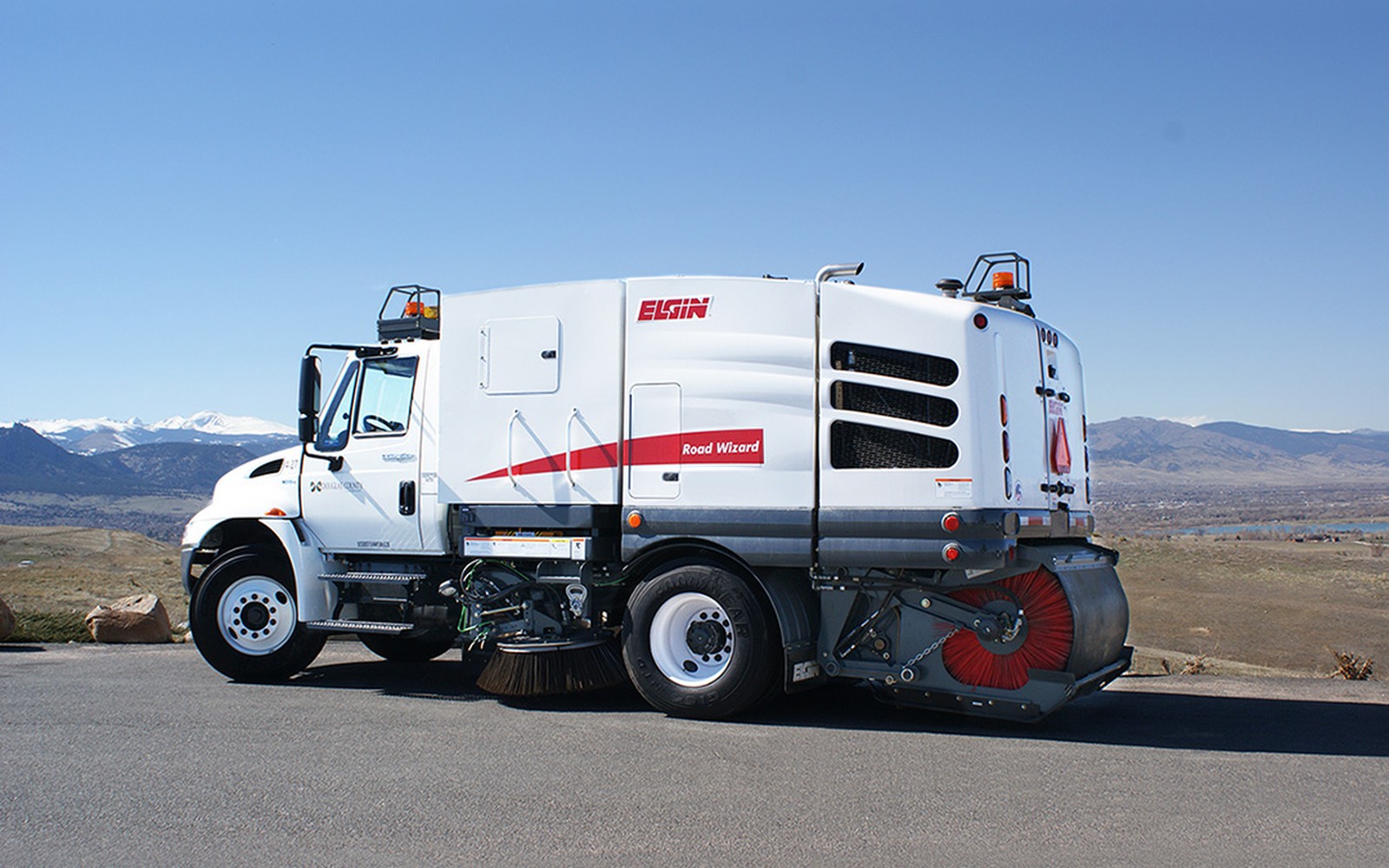
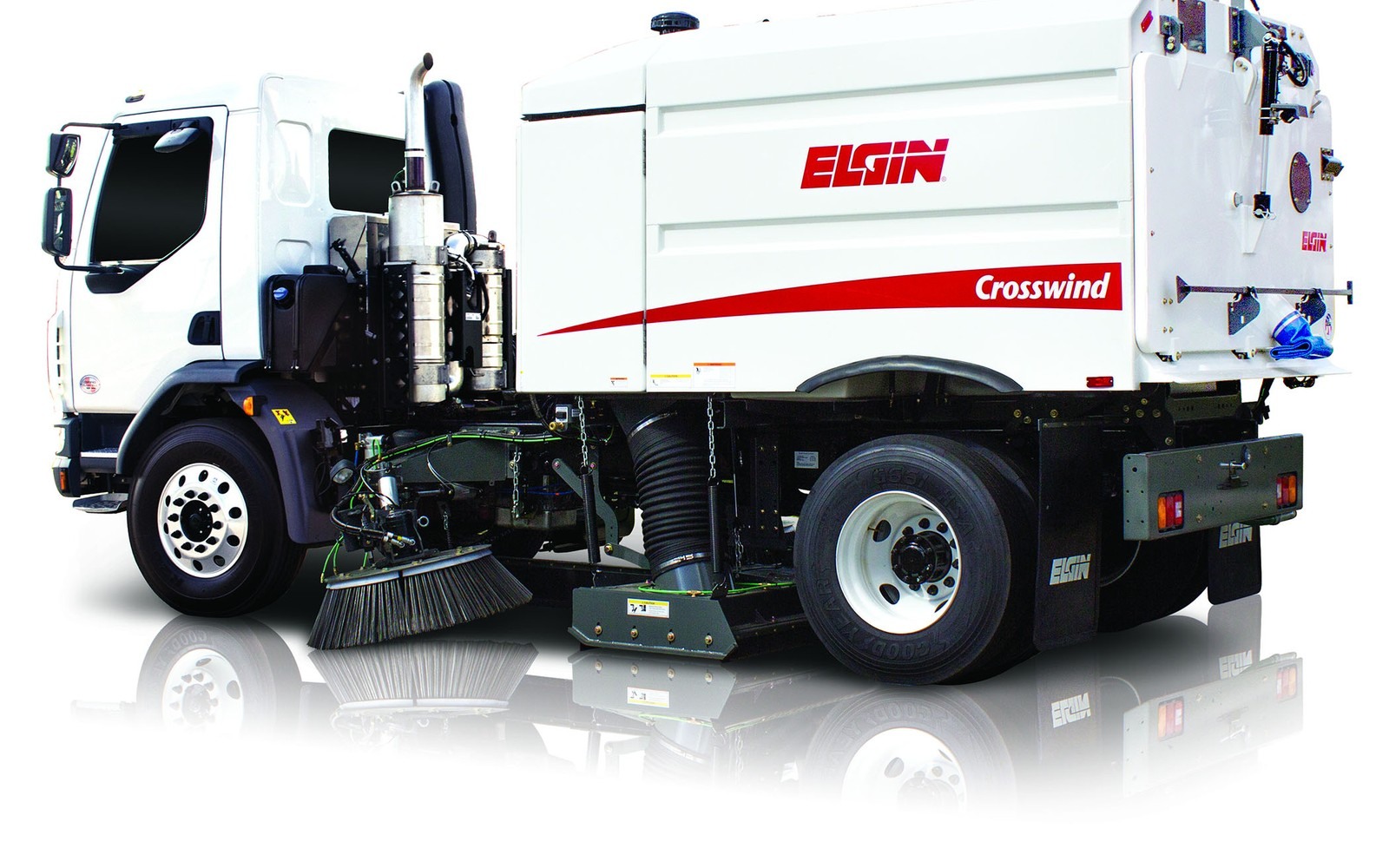
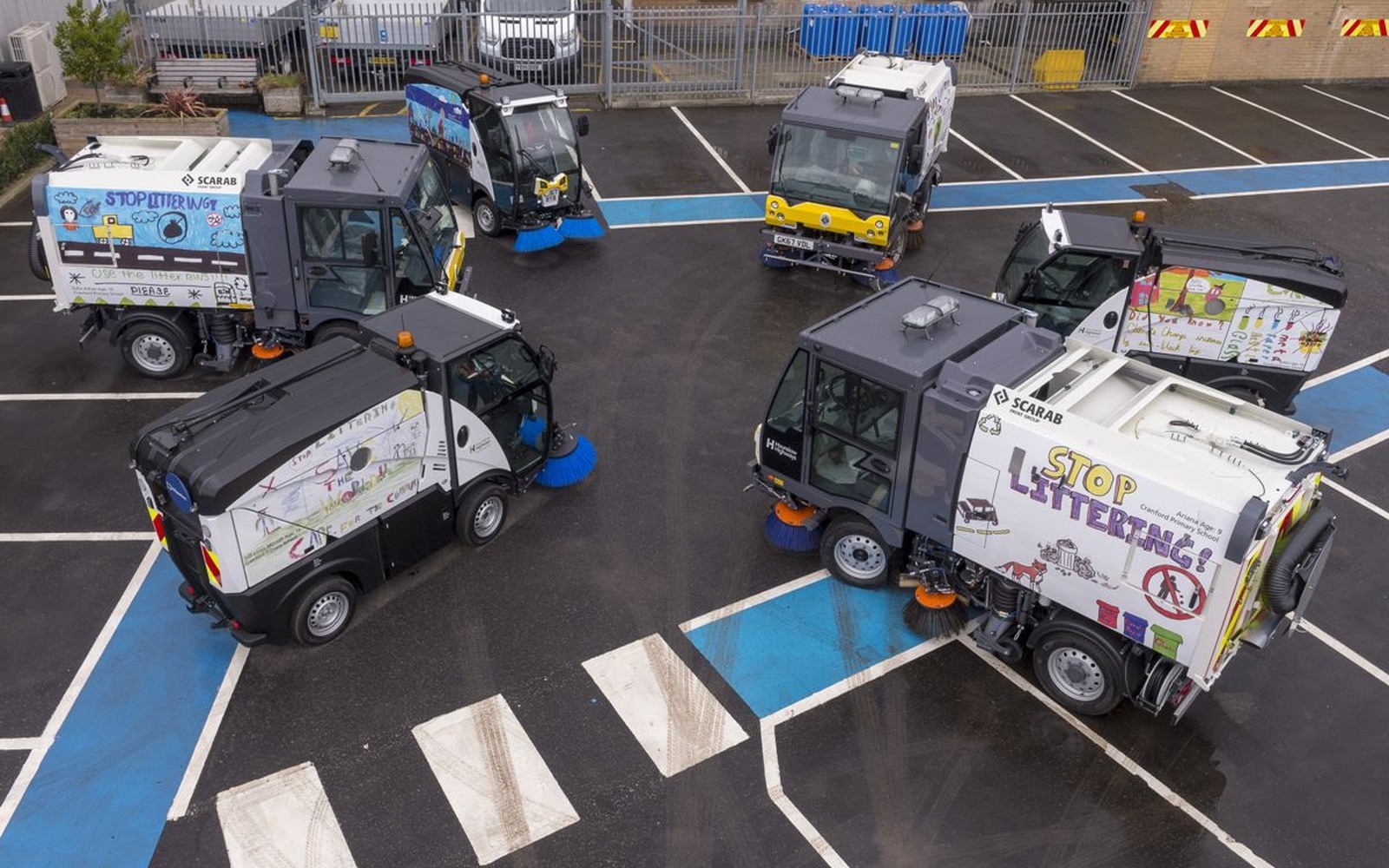
Alley sweepers are typically compact-to-mid-size units, sometimes purpose-built on narrow chassis and sometimes configured as modified three-wheel or compact four-wheel machines. Some municipalities use modified compact units from Elgin, Bucher Municipal, or the Johnston C-Series that are designed for narrow-passage operation. Chicago's own fleet has historically run specialized narrow-body configurations specifically for alley service. New dedicated alley sweeping units run $100,000 to $200,000 depending on configuration. Compact models start lower, closer to $70,000 to $120,000 for three-wheel alley-configured machines.
We finance alley sweepers from $50,000, new or used, B or C credit welcome, funded in about one to two weeks. Whether you are a city department adding alley capacity or a private contractor who has picked up alley service contracts, the financing follows the same application-only process under $400,000. Three months of bank statements, an application, and we get to work. A compact street sweeper configured for narrow passage is closely related to alley-specific designs, and the financing process is identical.
The defining constraint for alley sweeper design is width. A standard truck-mounted mechanical sweeper is 8 to 10 feet wide at the chassis, which barely fits or does not fit at all in a typical service alley with utility poles, dumpster enclosures, or setback walls reducing the clear width. An alley sweeper needs to be closer to 6 to 7 feet wide at the main body to safely pass through typical alley geometries without damaging the machine or infrastructure.
Height matters too. Alley overhead clearances are often lower than street clearances because of building overhangs, utility service connections, and dumpster canopies. A sweeper configured for alley work needs a lower profile than a standard truck-mounted unit. Some compact sweepers designed for alley service have operator cabs that are lower profile than standard highway-certified cabs.
The broom configuration on an alley sweeper is typically a single-side or single main broom setup rather than a full dual gutter-broom system, because the lateral space for extended gutter broom arms does not exist in an alley. The machine cleans the alley floor with the main broom and a single curb broom on the side closest to the wall, working one wall at a time. Some designs angle the broom to work both walls on a single centerline pass through a very narrow alley.
Maneuverability at the ends of the alley is the other critical factor. Alleys terminate at cross streets, and the sweeper needs to be able to exit the alley, reposition, and reenter for the next pass. Tight turning radius at those transition points prevents the machine from needing to back down the full length of an alley to reposition. Three-wheel mechanical sweeper designs adapted for alley work have a natural advantage in turning radius for exactly this reason.
Urban municipalities with dense residential alley grids are the primary buyers of alley-specific sweepers. Chicago is the obvious example, but many older Midwest and Northeast cities have similar alley network densities. Baltimore, Detroit, Pittsburgh, and Philadelphia all have service alley systems behind row-house blocks that cannot be swept by standard-width equipment. Municipal public works departments in those cities often maintain a separate small fleet of alley-specific machines alongside their arterial street sweeper fleet.
Private sweeping contractors who win alley service contracts from municipalities or from commercial property owners with alley frontage are the other buyer group. A contractor who services restaurant districts in a city like Chicago, where every block has alley-accessible kitchen entries and grease trap service points, has significant demand for alley sweeping capacity. Sweeping contractors who can service alleys have a competitive advantage in dense urban markets where most sweeping competitors run only street-width equipment.
Commercial property managers whose properties include alley frontage may also buy alley sweepers for self-performed maintenance. An property management company operating a mixed-use retail and residential portfolio in a city with required alley maintenance obligations can make the case for owning a compact alley sweeper outright rather than paying per-visit contractor rates, particularly if alley sweeping frequency is high under local code.
Alley sweepers finance the same as any compact or mid-size street sweeper. Statement-based review below roughly $400,000. Three months of bank statements. Credit decision in one business day on a clean submission. funding paced to the completed file from approval. challenged credit can still be reviewed as long as the cash flow supports the payment and the machine has clear title.
Used alley sweepers available on the secondary market carry solid residual value because the market for narrow-body sweeping equipment is thin relative to standard street sweepers. A used alley unit from a municipal fleet rotation sells at prices that reflect that scarcity. When the collateral value holds up, lenders are more comfortable with marginal credit files. We underwrite on the full picture.
If you are a municipal entity buying an alley sweeper, municipal lease-purchase financing is available and typically the best rate structure. For private contractors, street sweeper loans and street sweeper leases both work for this equipment class. Lease structures are useful if you want to upgrade to a newer machine in four to five years; loan structures make sense if you intend to run the machine through its full service life.
Equipment questions
Clear answers before the equipment file moves to review.
Custom-built equipment is harder to finance because the resale market is narrower and the collateral value is less certain. We look at what comparable production machines sell for and discount the appraised value accordingly. If the custom machine is essentially a modified production model, that is better than a fully one-off build. Tell us the details and we will assess.
One-year contracts are common in municipal sweeping and lenders understand that the renewal expectation is what really matters, not the initial term. If you have a history of renewing similar contracts and your bank statements show consistent revenue from those accounts, the one-year initial term does not disqualify the deal.
Yes. Municipal auction purchases can be financed, but there are some timing considerations. Auction buyers usually need to pay on auction day or within a short window, so the financing needs to be pre-approved before the auction. We can issue a pre-approval letter for a specific maximum amount that you use to bid confidently. Have the machine information to us before the auction date.
For a B-credit file, the cash-in requirement is set from the collateral value, deposit history, and overall risk read. On a $120,000 machine, we quote the required cash at approval rather than using a canned percentage. Strong statements and visible operating cash can reduce the amount due at signing. We give you the actual requirement once we review the file, not a generic estimate.
Keep exploring
Compare adjacent equipment, model, market, and service-area pages.
Equipment desk
Send the machine, seller, hours, and timing. The equipment desk will organize the next step.